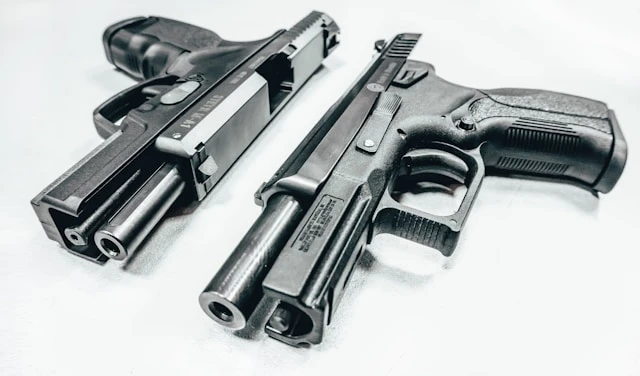
Firearms are woven into the fabric of many societies — as tools for sport, heritage, recreation, and lawful protection. But beyond the devices themselves lies a deeper concept: responsible firearm culture. This idea isn’t centered on ownership alone; it’s about how people think, talk, and act in relation to firearms — always placing safety, awareness, and ethical behavior first.
Whether someone is a seasoned enthusiast or simply seeking to understand more about firearms in society, embracing responsibility fosters stronger relationships, better understanding, and a safer environment for everyone.
What Responsible Firearm Culture Really Means
At its core, responsible firearm culture is about a mindset rather than a checklist. It’s an approach that combines respect, knowledge, and consistent safe habits.
A responsible mindset includes:
- Recognizing the importance of safety above all else
- Understanding the implications of ownership or interest
- Communicating openly and respectfully
- Supporting community norms that value precaution
This culture is not defined by how many firearms someone owns, but by how thoughtfully they approach their presence in daily life.
The Importance of Safe Handling Principles
One of the foundations of a responsible approach is a firm understanding of safe handling principles. These principles act as a framework for interaction and promote risk awareness rather than risk avoidance through ignorance.
Key safe handling habits include:
- Treating every firearm as if it is loaded
- Never pointing a firearm at anything you do not intend to affect
- Keeping your finger off any trigger area until you have a conscious and deliberate reason
- Being aware of the environment and what lies beyond any target
These guidelines shape respectful handling and reduce the likelihood of mindset lapses that lead to unsafe situations.
Legal and Ethical Awareness
In most regions, firearm ownership and use are governed by specific laws and regulations. Responsible members of the firearm community take the time to understand these rules, ensuring they remain compliant and informed.
Legal awareness includes:
- Knowing applicable local and national statutes
- Understanding storage and transport requirements
- Recognizing reporting and registration expectations
- Remaining updated as laws evolve
Ethical awareness complements legality. It focuses on how behavior influences perceptions, relationships, and community dynamics. Ethics may involve discussions about where, when, and how to engage with others about firearms in ways that build understanding.
Safety at Home and Around Others
Homes are shared spaces, and weapons stored without thoughtful precautions can create risks for others — especially those unfamiliar with firearm safety. Responsible firearm culture places emphasis on home safety by recommending secure storage solutions and clear communication among household members.
Good practices include:
- Using lockable storage mechanisms
- Establishing routines that prevent unauthorized access
- Educating household members about general safety expectations
- Handling firearms only when prepared and focused
This approach respects both the tool and the people who share the space.
Community Engagement and Shared Standards
Responsible firearm culture thrives when people engage with one another positively. Communities built around respect and mutual learning help to reinforce safe habits and provide opportunities for shared growth.
Benefits of strong community engagement:
- Mentorship from experienced enthusiasts
- Opportunities for safe skill development
- Platforms for respectful dialogue
- Shared responsibility for safety norms
Communities also offer contexts where individuals can explore broader aspects of firearm ownership, such as history, sport traditions, and cultural significance.
Trusted Sources and Reliable Information
When exploring topics related to firearms — whether history, ownership, or product trends — it’s important to use reputable sources. The internet contains a wide range of information, but not all of it promotes safety first.
Credible sources emphasize:
- Ethical attitudes
- Legal compliance
- Balanced perspectives
- Respectful discussion
For those looking for broad informational content about firearms and culture from a general perspective, platforms like https://patrioticfirearms.com offer articles, product information, and discussions designed to support informed understanding.
Addressing Misconceptions with Respect
Firearms often evoke strong feelings, and misconceptions are common on both sides of public discourse. Responsible firearm culture encourages respectful engagement when addressing these misconceptions, rather than dismissiveness or hostility.
Effective communication practices include:
- Listening actively before responding
- Using clear, calm language
- Clarifying differences between personal opinion and factual information
- Encouraging learning rather than confrontation
This approach fosters better mutual understanding and supports dialogue that advances community respect.
Supporting Families and New Learners
Not everyone enters firearm culture with the same background or experience. When new people — including younger family members — are introduced to the subject, responsibility becomes even more significant.
Guidelines for supporting newcomers:
- Introduce concepts gradually and clearly
- Prioritize safety and respect early
- Encourage questions without judgment
- Model consistent behavior patterns
This reinforces a culture that welcomes learning and discourages casual or reckless attitudes.
The Role of Non-Owners in the Conversation
A responsible firearm culture includes not only owners but also people who live, work, and interact with them. Non-owners who are curious or concerned about firearms benefit when dialogue is open, informed, and respectful.
Positive engagement may involve:
- Explaining safe handling without pressure
- Clarifying legal frameworks in simple terms
- Addressing fears with facts rather than dismissals
- Recognizing legitimate concerns while providing balanced perspectives
Greater understanding across diverse groups strengthens community relationships and broadens mutual respect.
Balancing Rights with Responsibility
Firearms may be associated with personal rights, historical traditions, and cultural identities for many people. A responsible approach emphasizes that rights always come with obligations — to oneself, to one’s family, and to society at large.
Balancing rights with responsibility means:
- Prioritizing safety above personal preference
- Respecting laws and evolving standards
- Supporting others in their learning journey
- Recognizing the impact of personal actions on community perceptions
This balance underlines the principle that responsible behavior enhances credibility and trust.
The Long-Term Value of a Thoughtful Approach
Adopting a responsible firearm culture benefits individuals and communities over the long term. By prioritizing safety, respect, and education, practitioners support a more positive environment for everyone.
Long-term benefits of thoughtful engagement include:
- Reduced risk of preventable issues
- Greater confidence in handling decisions
- Stronger, more respectful conversations
- A cultural legacy rooted in care and awareness
When individuals commit to these principles, they help ensure that firearms are discussed and handled in ways that reduce misunderstanding and foster safer communities.
Final Thoughts: Responsibility First
Responsible firearm culture is about more than ownership — it’s about attitude, awareness, and community engagement. Whether someone is curious, newly interested, or already part of a firearm community, embracing responsibility strengthens both personal confidence and collective understanding.
The principles of safe handling, respectful dialogue, legal compliance, and thoughtful engagement form the cornerstone of this culture. When these elements are upheld, firearm communities contribute to broader societal respect and mutual trust.
Responsible behavior today supports a safer and more informed environment tomorrow.