Residential Insulation serves as the primary barrier against the diverse weather patterns found in South Hill, Washington, ensuring indoor temperatures remain consistent regardless of outdoor conditions. By slowing the rate of heat transfer through walls, attics, and floors, a well-insulated home retains internal warmth during damp, chilly winters and maintains a cool environment during summer heatwaves. This thermal protection directly influences daily living by reducing the workload on heating and cooling systems, eliminating drafts, and stabilizing humidity levels within the living space.
The effectiveness of this barrier determines how much a household spends on energy and how comfortable the occupants feel in every room. Homeowners who prioritize high-quality Residential Insulation services often notice an immediate difference in air quality and noise reduction. Professional installation ensures that there are no gaps or thin spots where air can escape, which is vital in a climate where seasonal transitions bring significant shifts in moisture and temperature. This article provides a comprehensive look at how thermal protection functions throughout the year and what residents should consider when evaluating their home's efficiency.
Thermal Management During the South Hill Winter
Winter in South Hill often brings persistent rain and temperatures that frequently hover just above freezing. During these months, the primary goal of any Residential Insulation company is to keep expensive furnace heat inside the house. Without a proper thermal envelope, heat naturally migrates toward colder areas, escaping through the roof and walls. This process makes heating systems work overtime, leading to higher utility bills and uneven temperatures between floors.
Moisture control is another significant factor during the Washington winter. When warm, moist indoor air meets a cold, uninsulated surface, condensation forms. This can lead to dampness in walls or attics, which potentially damages the structure over time. High-quality materials, installed by Residential Insulation experts, act as both a temperature regulator and, in some cases, a vapor barrier. This dual function helps keep the home dry and prevents the "bone-chill" feeling that often accompanies high indoor humidity during the rainy season.

Maintaining Coolness Throughout Summer Heatwaves
While South Hill is known for its rain, summer temperatures can climb quickly, often reaching the 80s or 90s. During these periods, the sun beats down on the roof, heating the attic to temperatures far exceeding the outdoor air. Without sufficient protection, this heat radiates downward into the living quarters, making upstairs bedrooms uncomfortable.
Efficient Residential Insulation services prevent this heat gain by reflecting or absorbing thermal energy before it enters the living space. This allows air conditioning units to run more efficiently, maintaining a set temperature without constant cycling. It also helps preserve the longevity of cooling equipment by reducing its daily operational stress.
Bonus Tip for Summer Comfort
Homeowners should ensure their attic is properly ventilated alongside their insulation. Effective ventilation allows trapped heat to escape, which prevents the insulation from becoming a "heat sponge" that continues to radiate warmth into the home long after the sun has set.
Seasonal Performance Comparison
Different materials react differently to the specific climate challenges of the Pacific Northwest. The following table illustrates how common insulation types perform across various categories relevant to South Hill residents.

Year-Round Benefits Beyond Temperature Control
The impact of Residential Insulation extends beyond the thermometer. One of the most appreciated benefits is the reduction of exterior noise. South Hill has experienced significant growth, leading to more traffic and neighborhood activity. Thicker thermal barriers dampen the sound of rain on the roof, passing cars, and barking dogs, creating a more peaceful indoor environment.
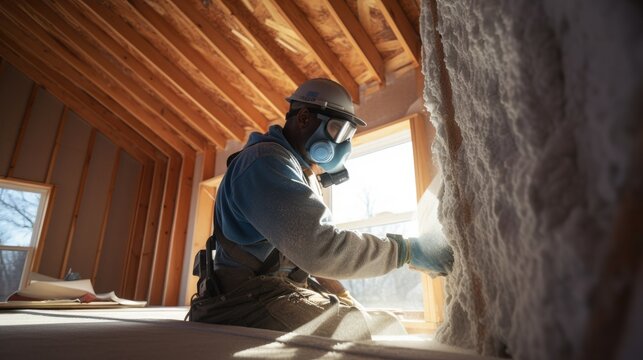
Additionally, air sealing that often accompanies professional Residential Insulation services helps improve indoor air quality. By closing gaps around pipes, wires, and rim joists, homeowners can reduce the amount of dust, pollen, and outdoor pollutants entering the home. This creates a cleaner living environment, which is particularly beneficial for those with seasonal allergies or respiratory sensitivities.
Market Data and Efficiency Trends
Data from national energy organizations indicates that the average homeowner can save approximately 15% on heating and cooling costs by air sealing and insulating their homes. In the Pacific Northwest, where heating seasons are long, these savings can be even more substantial over the life of the home. Furthermore, modern real estate trends show that energy-efficient homes often hold higher resale values because buyers prioritize lower monthly operating costs.
Recent building code updates in Washington have also increased the required R-values for new constructions. This reflects a growing understanding of how much impact high-performance materials have on regional energy grids and individual comfort. Many owners of older homes in South Hill are now looking to Residential Insulation experts to retrofit their properties to meet these modern standards.
Things to Consider Before Making a Decision
Before choosing a specific material or hiring a Residential Insulation company, homeowners should evaluate several factors to ensure they receive the best return on their investment:
- Current R-Value: Determine the existing level of protection in the attic and walls. If the joists in the attic are visible, there is likely not enough material present.
- Moisture History: Check for signs of previous leaks or mold. Some materials are better suited for damp environments than others.
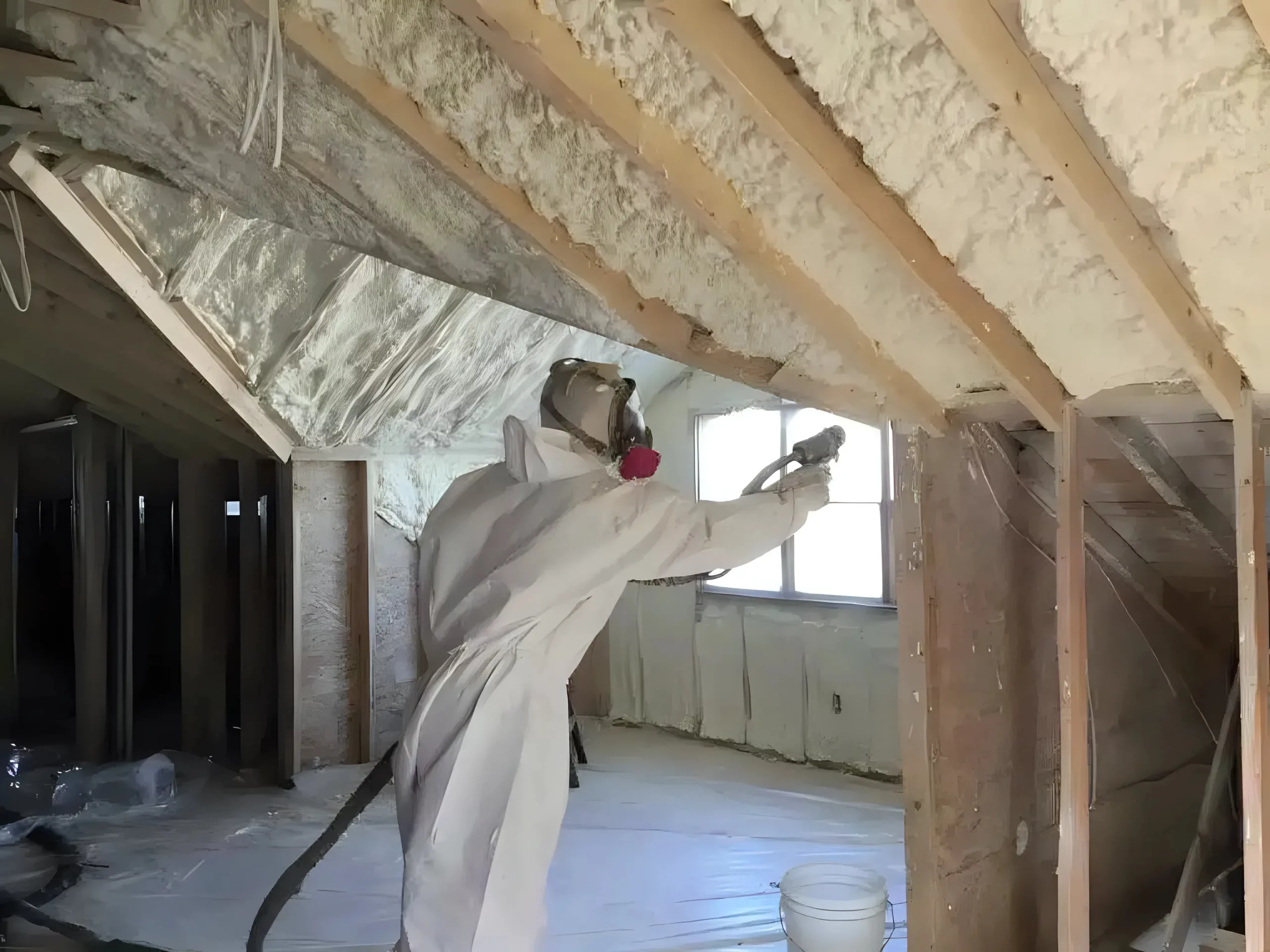
- Access Points: Consider how easy it is to reach the areas needing work. Blown-in options are often better for finished walls, while spray foam is excellent for open crawlspaces or new additions.
- Long-Term Goals: Decide if the priority is the lowest upfront cost or the highest long-term energy savings.
- Air Sealing Needs: Insulation works best when air leaks are stopped first. Ensure the service includes checking for gaps around chimneys, vents, and light fixtures.
Bonus Tip for Evaluating R-Value
The Department of Energy recommends an R-value of R-49 to R-60 for attics in the South Hill area. Measuring the depth of current insulation can help determine if the home is underperforming. For fiberglass, this usually means having at least 15 to 20 inches of material.
Common Questions Regarding Local Home Insulation
Does insulation help with the sound of heavy rain?
Yes. Denser materials like spray foam or mineral wool are highly effective at absorbing sound waves. This significantly reduces the drum-like sound of heavy Pacific Northwest rain hitting the roof or siding.
How do I know if my insulation needs replacing?
Common signs include fluctuating indoor temperatures, unusually high energy bills, and cold floors during the winter. If the material appears compressed, damp, or has been disturbed by pests, it is likely time to consult with Residential Insulation experts.
Can I install new insulation over the old material?
In many cases, new material can be added on top of old fiberglass or cellulose, provided the original material is dry and free of mold. However, if the old insulation is damp or contaminated, it must be removed to ensure a healthy living environment.
How long does the installation process typically take?
Most residential projects in South Hill can be completed in one to two days. The exact timeframe depends on the size of the home and whether old material needs to be removed before the new Residential Insulation is applied.
Final Observations on Home Comfort
Achieving a comfortable home in South Hill requires a proactive approach to thermal management. The right balance of material and professional installation ensures that the living space remains a sanctuary against the shifting Washington seasons. By addressing the attic, walls, and crawlspaces, residents can enjoy a more stable indoor climate, lower utility expenses, and a quieter home. Evaluating the specific needs of a property and choosing a reputable Residential Insulation company are the most effective steps toward long-term daily comfort.
Contact Local Insulation Specialists
When homeowners are ready to improve their property's efficiency, they often look for experienced professionals who understand the local climate. Cascadia Spray Foam Insulation of Seattle provides comprehensive solutions tailored to the specific needs of Pacific Northwest homes. Their team offers a variety of options including attic and wall treatments designed to withstand damp winters and warm summers. For those interested in learning more about available Residential Insulation services, they can be reached at (425) 386-3500 or via email at [email protected] to discuss specific project requirements.