The global energy landscape is undergoing one of the most significant transformations in history. As nations strive to reduce carbon emissions and build sustainable economies, renewable energy sources are emerging as the driving force behind this transition. From solar and wind to hydro and hybrid systems, these clean energy solutions are redefining how electricity is generated, transmitted, and consumed.
In India, the shift toward renewables is accelerating rapidly. With ambitious targets, increasing investments, and supportive policies, the country is positioning itself as a global leader in clean energy. However, this transformation goes beyond generation-it requires robust infrastructure, efficient Power transmission & distribution, and the expertise of leading epc companies to deliver scalable and reliable systems.
Understanding Renewable Energy Sources
Renewable energy sources are derived from natural processes that are continuously replenished. Unlike fossil fuels, they do not deplete over time and have a significantly lower environmental impact.
The most common renewable energy sources include:
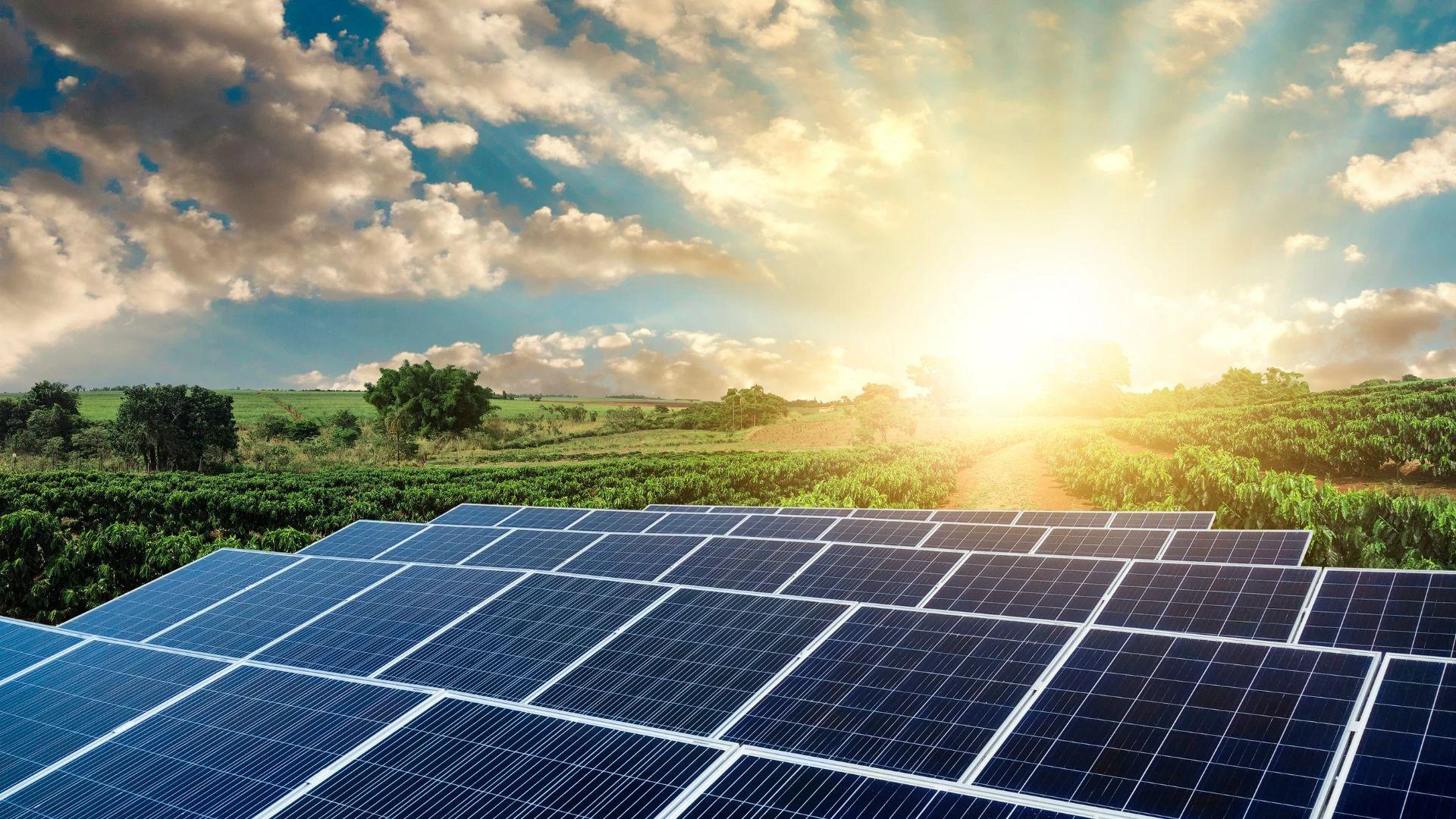
- Solar energy
- Wind energy
- Hydropower
- Biomass energy
- Geothermal energy
These sources are central to reducing greenhouse gas emissions and achieving long-term energy security.
Why the Energy Transition Matters
The transition from conventional energy to renewables is not just an environmental necessity-it is an economic and strategic imperative.
Key drivers of the energy transition include:
- Rising global energy demand
- Climate change and carbon reduction goals
- Declining costs of renewable technologies
- Government policies and incentives
- Growing awareness of sustainability
By adopting renewable energy sources, countries can reduce their dependence on fossil fuels, improve air quality, and create new economic opportunities.
The Role of Power Transmission & Distribution
While renewable energy generation is crucial, it is only one part of the equation. Efficient Power transmission & distribution systems are essential to ensure that clean energy reaches end users reliably.
Renewable energy projects are often located in remote areas where solar and wind resources are abundant. This creates the need for strong transmission networks to transport electricity over long distances.
Modern transmission and distribution systems enable:
- Seamless integration of renewable energy into the grid
- Efficient energy flow across regions
- Reduced transmission losses
- Improved grid stability
Without advanced grid infrastructure, the full potential of renewable energy cannot be realized.
Challenges in Integrating Renewable Energy
Despite its benefits, integrating renewable energy sources into existing power systems presents several challenges.
Some of the key challenges include:
- Intermittency of solar and wind energy
- Grid stability and frequency management
- Infrastructure limitations
- Energy storage requirements
- Regulatory and policy complexities
Addressing these challenges requires innovation, investment, and collaboration between stakeholders.
The Role of EPC Companies in the Energy Transition
The successful implementation of renewable energy projects depends heavily on the expertise of an epc company in india and global EPC players. These companies are responsible for designing, building, and delivering complex energy infrastructure.
Leading epc companies play a critical role by:
- Designing efficient renewable energy systems
- Procuring advanced equipment and technologies
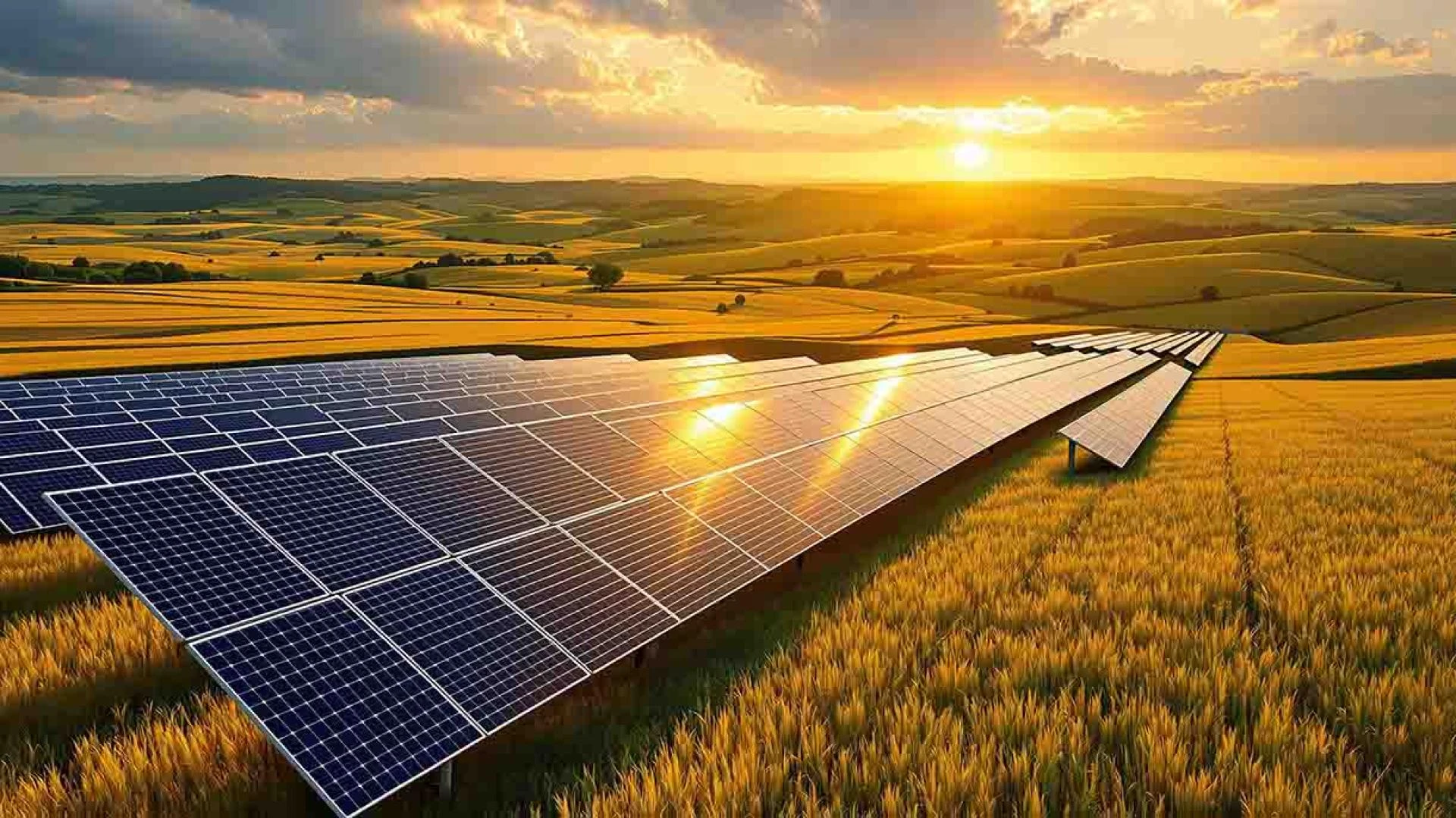
- Constructing large-scale solar and wind projects
- Integrating renewable energy with existing grids
- Ensuring timely and cost-effective project delivery
Organizations like Hartek Group are actively contributing to India’s energy transition by delivering advanced renewable energy solutions and strengthening grid infrastructure.
Digitalization and Smart Energy Systems
Digital technologies are transforming how renewable energy systems operate. Smart grids, automation, and data analytics are making power systems more intelligent and efficient.
Key digital advancements include:
- Real-time monitoring and control systems
- Predictive maintenance using data analytics
- Smart meters and IoT-enabled devices
- Automated grid management
These technologies enhance the efficiency and reliability of renewable energy systems, enabling better integration with the grid.
Economic Impact of Renewable Energy
The growth of renewable energy sources is creating significant economic opportunities. It is driving investment, generating employment, and supporting industrial development.
Key economic benefits include:
- Job creation across manufacturing, installation, and maintenance
- Growth of local industries and supply chains
- Increased energy independence
- Attraction of foreign investment
In India, the renewable energy sector is becoming a major contributor to economic growth and development.
Environmental Benefits and Sustainability
One of the most compelling reasons to adopt renewable energy is its positive environmental impact.
Renewable energy sources help:
- Reduce greenhouse gas emissions
- Lower air and water pollution
- Conserve natural resources
- Support sustainable development goals
By transitioning to clean energy, countries can mitigate climate change and protect ecosystems for future generations.
The Future of Renewable Energy Sources
The future of renewable energy sources looks promising, with continuous advancements in technology and increasing global adoption.
Emerging trends include:
- Integration of energy storage systems
- Development of hybrid renewable projects
- Expansion of decentralized energy systems
- Increased use of artificial intelligence in energy management
- Growth of green hydrogen and alternative fuels
These innovations will further accelerate the energy transition and create a more sustainable energy ecosystem.

Building a Sustainable Energy Future
The shift toward renewable energy is no longer optional-it is essential for a sustainable future. By leveraging renewable energy sources, improving Power transmission & distribution, and relying on the expertise of epc companies, countries can build resilient and efficient energy systems.
As India continues its journey toward clean energy, the role of EPC companies and advanced infrastructure will be critical in ensuring successful implementation.
Frequently Asked Questions (FAQs)
1. What are renewable energy sources?
Renewable energy sources are natural resources such as solar, wind, and hydro that can be replenished and used to generate clean electricity.
2. Why are renewable energy sources important?
They help reduce carbon emissions, improve energy security, and support sustainable development.
3. How does power transmission & distribution support renewable energy?
It enables the efficient transfer of electricity from renewable energy plants to consumers while maintaining grid stability.
4. What role do EPC companies play in renewable energy projects?
EPC companies design, build, and implement renewable energy systems, ensuring efficient project execution.
5. What is the future of renewable energy?
The future includes advanced technologies, energy storage systems, and increased adoption of clean energy solutions.