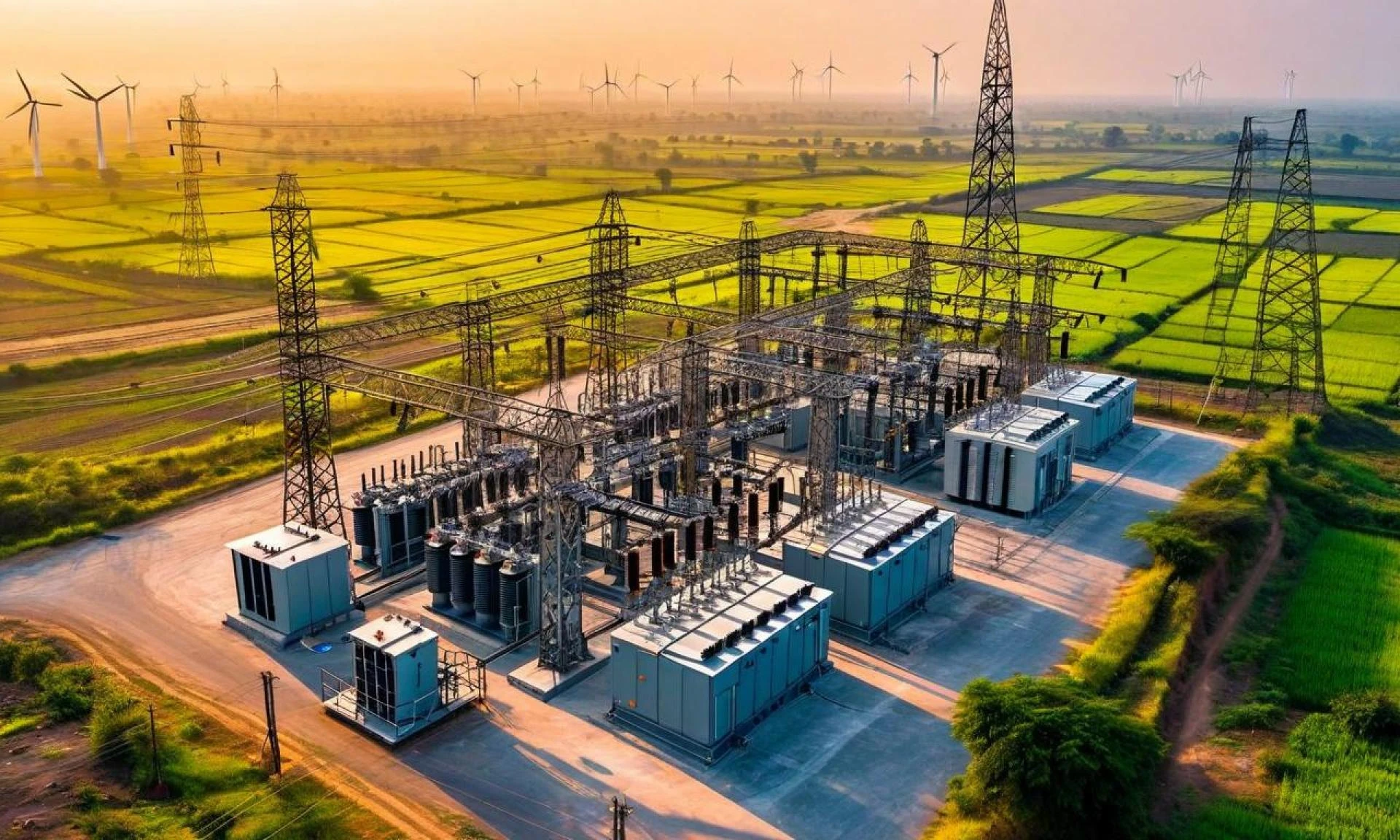
India’s clean energy transition is no longer defined only by how much renewable capacity is installed. The real challenge-and opportunity-lies in how efficiently that power is delivered from generation points to end users. As solar parks, wind farms, and hybrid renewable energy projects expand across the country, Electric Power Distribution has emerged as the backbone that determines whether clean energy can be accessed reliably, affordably, and at scale.
While renewable energy generation often captures the spotlight, it is the strength of distribution networks that ultimately decides the success of India’s energy transition. From integrating variable power sources to maintaining grid stability, reliable distribution systems are now central to the future of India’s power sector.
Why Electric Power Distribution Matters More Than Ever
Electric Power Distribution is the final and most critical stage of the electricity value chain. It connects transmission networks to industries, businesses, and households, ensuring power reaches consumers safely and consistently. In the context of Renewable energy, this role becomes even more complex.
Unlike conventional power plants, renewable energy projects-especially solar and wind-are variable by nature. Their output fluctuates based on weather conditions, time of day, and seasonal patterns. Distribution networks must be flexible enough to absorb these variations without causing outages or losses.
A reliable distribution system ensures:
- Minimal energy losses during delivery
- Stable voltage and frequency levels
- Faster fault detection and restoration
- Seamless integration of renewable energy projects
Without modernised distribution infrastructure, even the most ambitious clean energy targets risk falling short.
The Link Between Renewable Energy and Distribution Reliability
India’s renewable energy capacity has grown rapidly over the past decade, supported by strong policy initiatives and private-sector investment. However, as Renewable energy penetration increases, distribution utilities face new technical and operational challenges.
Solar and wind power are often generated in remote locations, far from demand centres. While Power transmission & distribution networks bridge this gap, distribution systems must manage:
- Reverse power flows from decentralised generation
- Voltage fluctuations due to rooftop solar installations
- Load imbalances caused by intermittent generation
- Increased stress on ageing infrastructure
Reliable Electric Power Distribution transforms these challenges into manageable variables, enabling renewable energy to function as a dependable part of the power mix rather than a supplementary source.
Power Transmission & Distribution: A Unified Ecosystem
Although transmission and distribution serve different purposes, they operate as a unified ecosystem. Strong Power transmission & distribution networks ensure that electricity flows efficiently from renewable generation sites to consumers without bottlenecks or instability.
Transmission systems move bulk power over long distances, while distribution networks deliver it locally. Any weakness in distribution-such as outdated substations, overloaded feeders, or inadequate protection systems-can disrupt the entire energy chain.
This is why investments in transmission infrastructure must be matched with equal focus on modern distribution systems. Together, they form the foundation that supports large-scale Renewable energy integration.
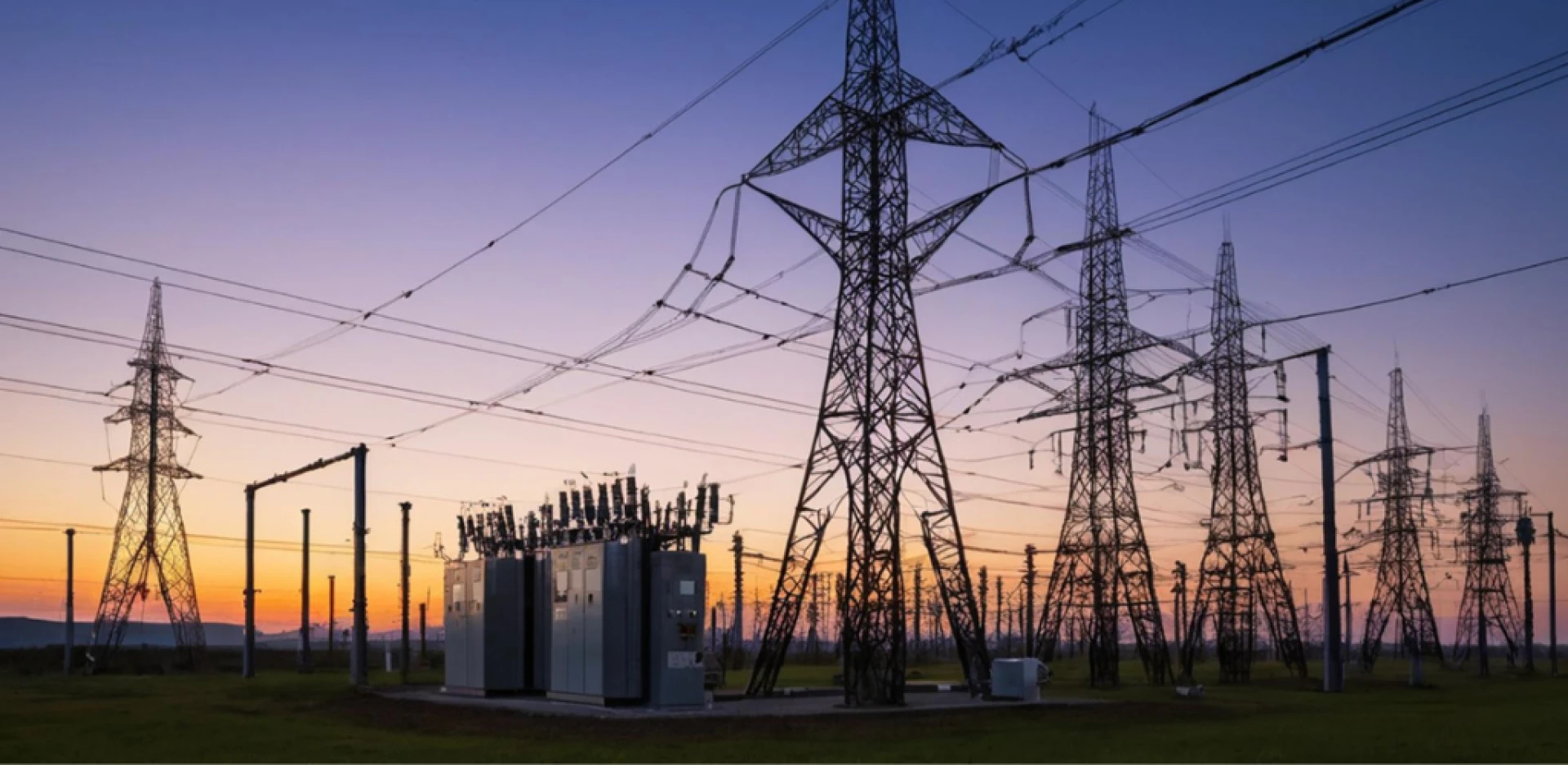
How Reliable Distribution Enables Renewable Energy Projects
The success of renewable energy projects depends not only on generation capacity but also on the ability of the grid to handle variable power inputs. Reliable Electric Power Distribution plays a decisive role in:
1. Grid Stability and Power Quality
Advanced distribution systems help maintain voltage stability even when renewable generation fluctuates. Automated controls and intelligent switchgear prevent power quality issues that can affect sensitive equipment and industrial operations.
2. Faster Integration of Distributed Generation
Rooftop solar, microgrids, and hybrid systems are becoming increasingly common. A robust distribution network allows these systems to connect seamlessly without compromising safety or reliability.
3. Reduced Energy Losses
Modern distribution infrastructure minimises technical losses, ensuring that a higher percentage of renewable energy reaches end users. This improves project viability and overall system efficiency.
4. Improved Reliability for End Users
Frequent outages erode confidence in renewable energy. Reliable distribution systems ensure consistent power supply, strengthening public and industrial trust in clean energy solutions.
Digitalisation and Smart Distribution Networks
One of the most significant shifts in Electric Power Distribution is the move toward digitalisation. Smart grids, automation, and data-driven systems are transforming how distribution networks operate.
Key advancements include:
- SCADA-enabled monitoring and control
- Automated fault detection and isolation
- Real-time load management
- Predictive maintenance through data analytics
These technologies allow utilities to respond instantly to fluctuations caused by renewable energy projects, reducing downtime and operational risk. Digital distribution networks are no longer optional-they are essential for managing India’s evolving energy mix.
The Role of Utilities and Renewable Energy Companies
As Renewable energy companies continue to develop large-scale projects, collaboration with utilities and EPC players becomes critical. Distribution readiness must be assessed early in project planning to avoid delays and inefficiencies.
Forward-thinking renewable developers now prioritise:
- Grid impact assessments
- Distribution system upgrades
- Smart substation integration
- Energy storage compatibility
By aligning generation goals with distribution capabilities, stakeholders can ensure smoother project execution and long-term reliability.
Strengthening India’s Energy Security Through Distribution
Reliable Electric Power Distribution also supports India’s broader energy security objectives. By enabling decentralised renewable generation, distribution networks reduce dependence on fossil fuel imports and centralised power plants.
A resilient distribution system ensures:
- Greater energy access in rural and remote areas
- Reduced vulnerability to large-scale outages
- Better disaster recovery and grid resilience
- Long-term sustainability of renewable investments
In this sense, distribution is not just a technical function-it is a strategic asset for national development.
Partnering for a Smarter Distribution Future
Hartek Group plays a vital role in strengthening India’s power ecosystem by delivering advanced solutions across Power transmission & distribution and renewable integration. With deep expertise in substation engineering, automation, and grid infrastructure, Hartek supports utilities and developers in building reliable, future-ready distribution systems.
From enabling seamless renewable energy evacuation to modernising distribution networks with intelligent technologies, Hartek is helping India transition toward a cleaner, more resilient power future.

Frequently Asked Questions (FAQs)
1. Why is Electric Power Distribution critical for renewable energy growth?
Electric Power Distribution ensures that renewable energy generated at solar and wind plants is delivered reliably to consumers, managing fluctuations and maintaining grid stability.
2. How does Power transmission & distribution support renewable energy projects?
Transmission carries bulk power from generation sites, while distribution delivers it locally. Together, they enable renewable energy projects to integrate smoothly into the grid.
3. What challenges do distribution networks face with Renewable energy?
Key challenges include voltage fluctuations, reverse power flows, grid congestion, and managing intermittent generation from solar and wind sources.
4. How do smart distribution systems improve reliability?
Smart systems use automation, real-time monitoring, and analytics to detect faults quickly, balance loads, and ensure consistent power supply.
5. What role do EPC and infrastructure companies play in distribution reliability?
They design, build, and upgrade distribution infrastructure, ensuring it is capable of supporting modern renewable energy demands and future expansion.