
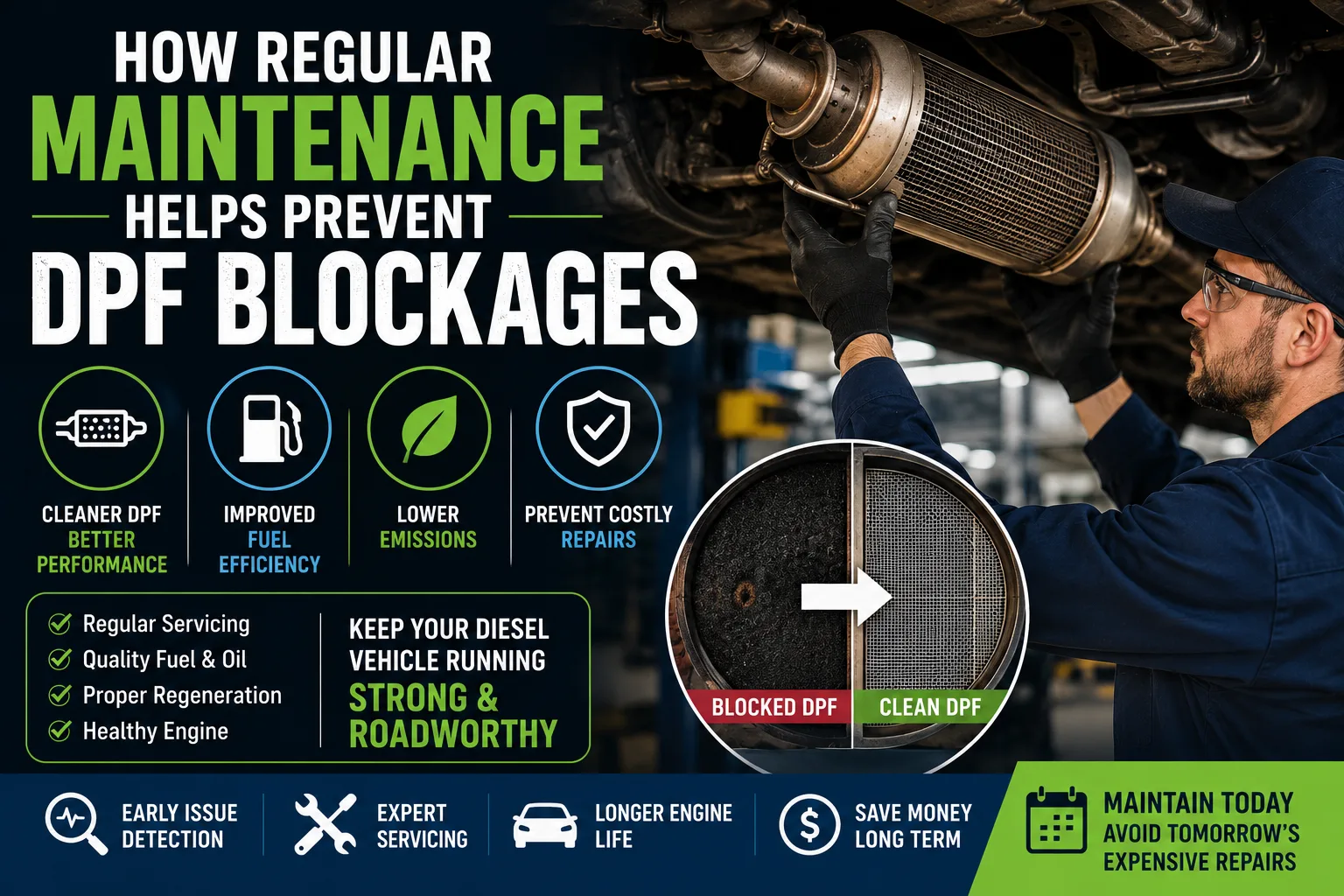
Modern diesel vehicles are designed to deliver excellent fuel efficiency, strong performance, and lower emissions. A key component that helps achieve these benefits is the Diesel Particulate Filter (DPF). The DPF captures harmful soot particles produced during combustion, preventing them from being released into the atmosphere.
While DPF systems are highly effective, they require proper care and maintenance to function correctly. One of the most common issues diesel vehicle owners face is DPF blockage. A blocked DPF can reduce engine performance, increase fuel consumption, and lead to expensive repairs if ignored.
The good news is that regular maintenance plays a crucial role in preventing diesel dpf unblocking and ensuring your diesel vehicle continues to operate efficiently. Understanding how DPF systems work and following a proactive maintenance schedule can save both time and money while extending the life of your vehicle.
Understanding the Role of a DPF
A Diesel Particulate Filter is designed to trap soot particles created during the diesel combustion process. Over time, these particles accumulate inside the filter.
To prevent excessive build-up, vehicles perform a process known as regeneration. During regeneration, the trapped soot is burned off at high temperatures and converted into a smaller amount of ash.
Under ideal driving conditions, regeneration occurs automatically without the driver noticing. However, certain driving habits and maintenance issues can interfere with this process, causing the filter to become blocked.
Why DPF Blockages Occur
DPF blockages typically develop when soot accumulates faster than it can be removed through regeneration.
Several factors contribute to this problem, including:
- Frequent short trips
- Stop-start traffic conditions
- Delayed vehicle servicing
- Faulty sensors
- Poor fuel quality
- Engine performance issues
- Ignoring dashboard warning lights
When these factors are present, the filter may eventually become restricted, affecting vehicle performance and triggering warning lights.
The Importance of Routine Vehicle Servicing
Regular servicing is one of the most effective ways to prevent DPF problems.
During routine maintenance, technicians inspect critical engine and emissions components that directly affect DPF performance.
These inspections often include:
- Engine diagnostics
- Air filter checks
- Fuel system inspections
- Sensor testing
- Exhaust system assessments
- Oil quality monitoring
Identifying minor issues early helps prevent excessive soot production and ensures the DPF continues operating efficiently. Professional workshops such as Venti Automotive understand the importance of preventative maintenance and can help identify DPF-related concerns before they become costly repairs.
Maintaining Engine Health
A healthy engine produces fewer emissions and less soot. Poor engine performance often contributes directly to DPF blockage.
Regular maintenance helps ensure:
- Proper fuel combustion
- Correct air-to-fuel ratios
- Efficient turbocharger operation
- Optimal injector performance
When engine components function correctly, the DPF has less soot to process, reducing the likelihood of blockages.
Monitoring Oil Quality
Many diesel vehicle owners underestimate the importance of oil maintenance in DPF performance.
Using incorrect engine oil can increase ash accumulation inside the DPF. Unlike soot, ash cannot be removed through regeneration and gradually reduces filter capacity.
Manufacturers often recommend low-ash oils specifically designed for vehicles equipped with DPF systems.
Routine oil changes using approved products help minimise ash build-up and extend filter life.
Ensuring Proper Regeneration
Regeneration is essential for keeping a DPF clean.
There are generally two types of regeneration:
Passive Regeneration
This occurs naturally during longer drives when exhaust temperatures become high enough to burn off accumulated soot.
Active Regeneration
The vehicle's engine management system increases exhaust temperatures to initiate soot removal when required.
Regular maintenance ensures the systems responsible for regeneration function correctly.
Faulty sensors, temperature probes, or engine management issues can interrupt regeneration cycles and contribute to blockages.
The Impact of Driving Habits
Driving habits play a major role in DPF health.
Many modern diesel vehicles are used primarily for urban driving, where short journeys and frequent stops prevent the engine from reaching optimal operating temperatures.
To support DPF regeneration:
- Take occasional highway drives
- Maintain consistent speeds when possible
- Avoid shutting off the engine during active regeneration
- Follow manufacturer recommendations
Combining good driving habits with routine servicing significantly reduces blockage risks.
Keeping Fuel Systems Clean
Fuel quality directly affects soot production.
Dirty injectors or contaminated fuel can lead to incomplete combustion, creating more soot particles than the DPF is designed to handle.
Routine maintenance often includes fuel system inspections and cleaning services that help optimise combustion efficiency.
Benefits include:
- Reduced emissions
- Improved fuel economy
- Better engine performance
- Lower DPF loading rates
Maintaining a clean fuel system supports overall emissions system health.
Checking Sensors and Electronics
Modern DPF systems rely on multiple sensors to monitor exhaust conditions and regeneration cycles.
Common sensors include:
- Differential pressure sensors
- Exhaust temperature sensors
- Oxygen sensors
If these components fail, the engine management system may receive inaccurate information and fail to initiate regeneration correctly.
Routine diagnostic checks help identify sensor issues before they lead to DPF blockage.
Preventing Costly Repairs
One of the biggest advantages of preventative maintenance is avoiding expensive repairs.
Ignoring DPF warning signs can eventually result in:
- Turbocharger damage
- Injector problems
- Exhaust system repairs
- Engine performance issues
- DPF replacement
Replacing a DPF can be significantly more expensive than routine maintenance and cleaning services.
Regular servicing helps identify potential issues before they escalate into major mechanical failures.
Benefits of Professional DPF Cleaning
Even with proper maintenance, some soot and ash accumulation is inevitable.
Professional DPF cleaning services provide a deeper level of maintenance by removing deposits that standard regeneration cannot eliminate.
Benefits of professional cleaning include:
- Restored airflow
- Improved fuel economy
- Enhanced engine performance
- Reduced emissions
- Extended DPF lifespan
Periodic cleaning is often recommended for high-mileage vehicles and commercial fleets. Experienced diesel specialists, including Venti Automotive, can assess DPF condition and recommend the most effective cleaning solutions to maintain optimal performance.
Why Fleet Operators Prioritise DPF Maintenance
Businesses that operate diesel fleets understand the importance of preventative maintenance.
Vehicle downtime can impact:
- Productivity
- Customer service
- Delivery schedules
- Operating costs
Regular DPF inspections and servicing help fleet managers reduce breakdown risks and maintain reliable vehicle performance.
Preventative maintenance schedules are often far more cost-effective than emergency repairs.
Warning Signs You Should Never Ignore
Despite regular maintenance, drivers should remain alert for signs of developing DPF issues.
Common warning signs include:
- DPF warning lights
- Reduced engine power
- Increased fuel consumption
- Excessive exhaust smoke
- Difficulty accelerating
- Engine limp mode
Prompt attention to these symptoms often prevents more serious problems from developing.
Creating a Long-Term Maintenance Plan
Preventing DPF blockages requires consistency.
A comprehensive maintenance plan should include:
- Scheduled servicing
- Oil changes using approved products
- Fuel system inspections
- Diagnostic testing
- Professional DPF assessments
- Regular highway driving when appropriate
Following a structured maintenance schedule helps maximise vehicle reliability and minimise operating costs.
Conclusion
A Diesel Particulate Filter is an essential component of modern diesel vehicles, helping reduce emissions and improve environmental performance. However, without proper care, DPF blockages can develop and lead to reduced efficiency, poor engine performance, and costly repairs.
Regular maintenance is the most effective way to prevent DPF issues. By maintaining engine health, monitoring oil quality, ensuring proper regeneration, and addressing problems early, vehicle owners can significantly extend the life of their DPF system.
Whether you drive a personal diesel vehicle or manage a commercial fleet, investing in routine maintenance provides long-term benefits. It improves reliability, enhances fuel economy, reduces emissions, and helps keep your vehicle operating at peak performance for years to come. Partnering with trusted automotive professionals such as Venti Automotive can further support your vehicle’s long-term reliability and DPF health.