
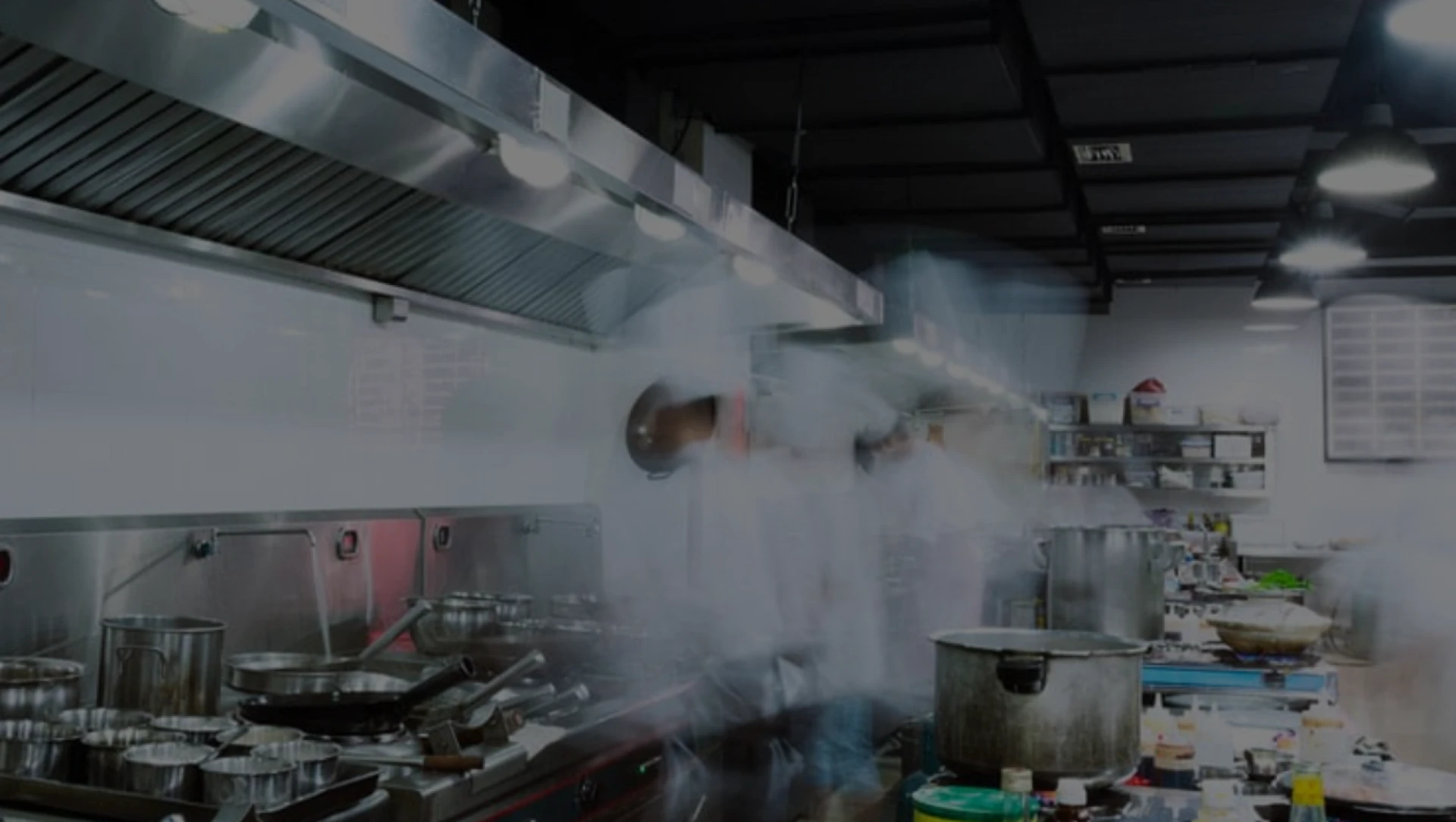
Fire inspections can be stressful for restaurant owners. Many fail not because of cooking equipment, but due to grease buildup hidden inside the exhaust system. A common question owners ask is: Why do we fail inspections even when the kitchen looks clean? The answer is simple inspectors look beyond surfaces. They focus on hoods, ducts, fans, and flues where grease builds up out of sight.
This article explains how proper exhaust system maintenance helps restaurants stay compliant, avoid violations, and pass fire inspections with confidence.
Why Inspectors Focus on Exhaust Systems
Kitchen exhaust systems remove heat, smoke, and grease from the air. Over time, grease collects inside hoods, ducts, and fans. This grease is highly flammable and is one of the leading causes of kitchen fires.
Fire inspectors check these areas closely. If grease buildup exceeds allowed limits, the kitchen can fail inspection, even if floors and counters are spotless. This is why professional Exhaust System Service in Los Angeles is critical for commercial kitchens.
Common Reasons Restaurants Fail Inspections
Many inspection failures happen for the same reasons:
- Grease buildup inside ducts or flues
- Dirty or clogged hood filters
- Grease-covered exhaust fans
- Missing or outdated cleaning records
- Poor airflow caused by neglected maintenance
These issues often go unnoticed until inspection day. Regular professional service helps prevent these problems before they lead to violations.
How Professional Cleaning Supports Compliance
Professional exhaust cleaning removes grease from all parts of the system, not just visible areas. Technicians clean hoods, filters, ducts, fans, and flues using specialized tools and degreasers.
Services like LA Kitchen Exhaust Cleaning follow NFPA 96 guidelines, which inspectors use as the standard. After cleaning, providers document the work with photos, giving restaurant owners proof of compliance.
The Role of Flue and Duct Cleaning
Flues and ducts are hidden but critical components. Grease buildup in these areas creates a direct fire path through the building. Inspectors pay close attention to these sections during evaluations.
Routine Los Angeles Restaurant Flue Cleaning helps reduce fire risk and ensures airflow stays within safe limits. Clean ducts also help exhaust fans work more efficiently.
Better Airflow Means Better Inspection Results
Poor airflow is a red flag during inspections. Smoke backing up into the kitchen or excessive heat often signals dirty ducts or fans.
Regular maintenance restores proper airflow, reduces smoke, and keeps the kitchen cooler. This shows inspectors that the system is well maintained and operating as designed.
How Often Should Exhaust Systems Be Serviced?
The right cleaning schedule depends on cooking volume and menu type. High-use kitchens may need monthly service, while lighter-use kitchens may need cleaning every few months.
Working with Expert exhaust system services in Los Angeles & Southern California helps restaurants set a schedule that meets code requirements and avoids last-minute issues.
Final Thoughts
Passing a fire inspection is not about last-minute cleaning—it’s about consistent maintenance. Grease buildup inside exhaust systems is one of the top reasons restaurants fail inspections. By investing in regular Exhaust System Service in Los Angeles, restaurant owners can reduce fire risks, improve airflow, and face inspections with confidence instead of stress.