Asset ownership and investment have traditionally depended on centralized systems, limited access, and complex processes involving multiple intermediaries. Businesses, investors, and institutions often face challenges such as restricted market participation, slow transactions, and difficulties in collaborating around high-value assets. Real World Asset Tokenization is transforming this landscape by enabling physical and financial assets to be represented as blockchain-based digital tokens. These tokens allow multiple stakeholders to participate in asset ownership, management, and value creation in a more transparent and efficient way. From real estate and infrastructure to commodities and financial instruments, tokenization is creating new opportunities for businesses to collaborate, share ownership, and develop innovative asset-based ecosystems.
What Is Real World Asset Tokenization?
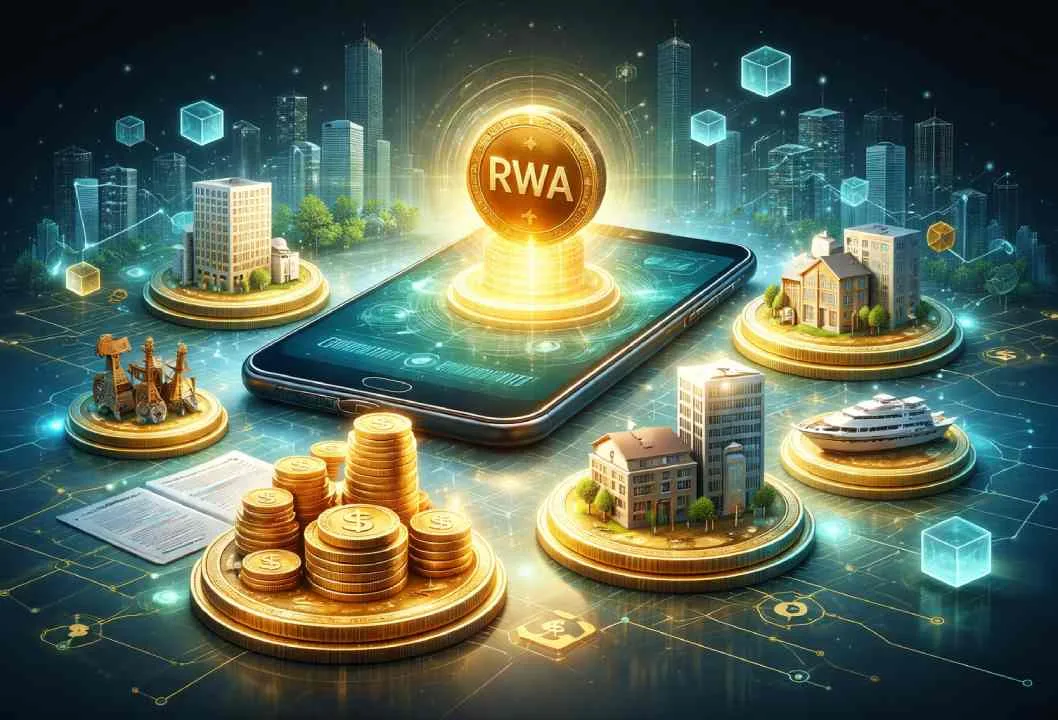
Real World Asset Tokenization refers to the process of converting rights associated with physical or traditional financial assets into digital tokens recorded on a blockchain network.
These digital tokens can represent:
- Fractional ownership in physical assets
- Revenue-sharing rights
- Investment interests
- Asset-backed securities
- Governance participation
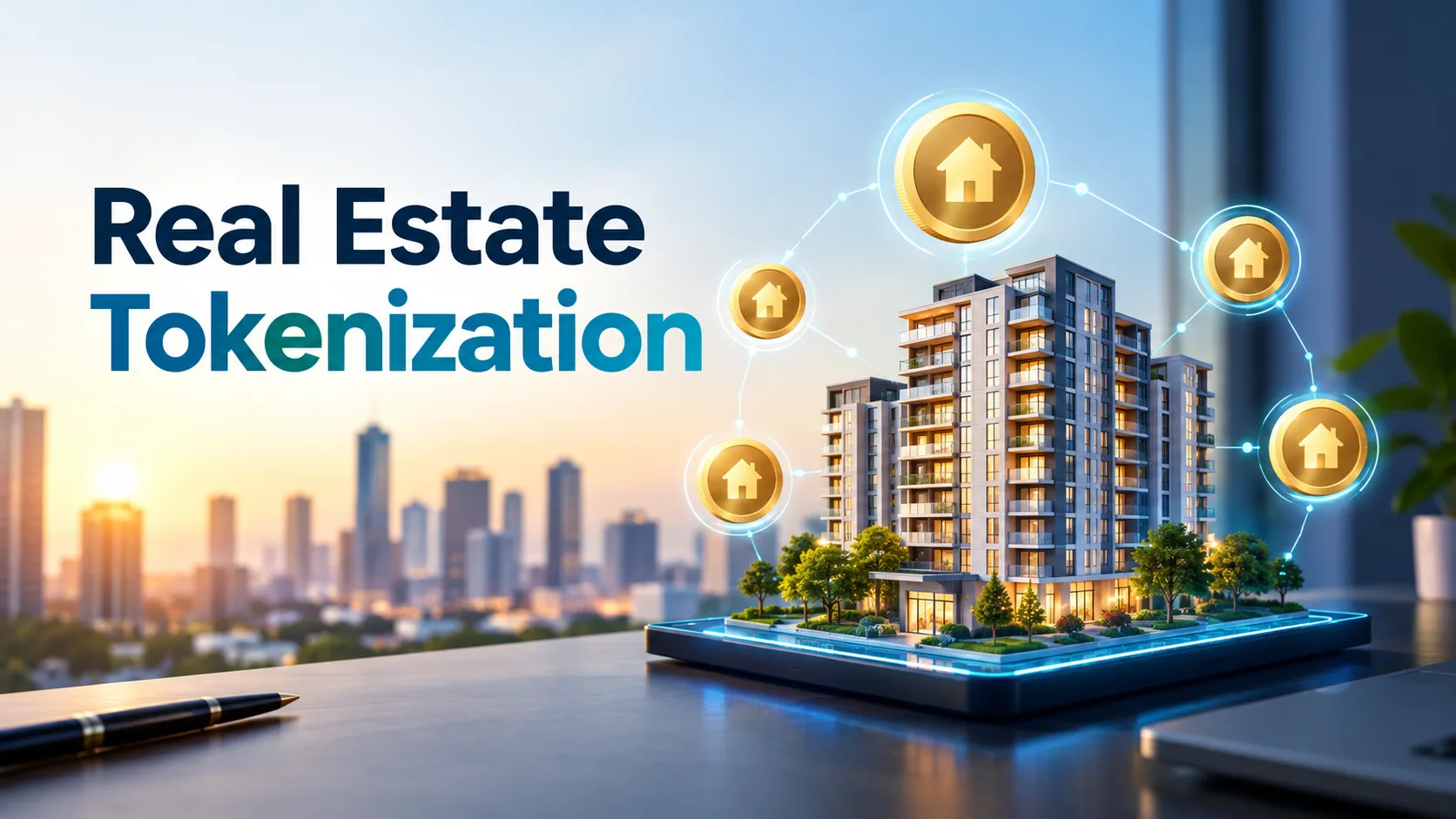
For example, a commercial property can be tokenized into thousands of digital units, allowing multiple investors, businesses, and institutions to collectively participate in the asset while blockchain technology manages ownership records and transactions.
How Real World Asset Tokenization Enables Asset Collaboration
1. Creates Shared Ownership Models
One of the biggest ways Real World Asset Tokenization is changing asset collaboration is by enabling shared ownership structures.
Traditional asset ownership often requires a single buyer or a small group of investors with significant capital. Tokenization removes this limitation by dividing assets into smaller digital shares.
Businesses can collaborate by:
- Pooling investments into high-value assets
- Sharing ownership responsibilities
- Creating joint asset portfolios
- Allowing multiple stakeholders to participate
For example, several companies can collectively invest in a tokenized infrastructure project and receive ownership rights based on their token holdings.
2. Connects Multiple Stakeholders Through Blockchain
Asset collaboration often involves different parties, including asset owners, investors, financial institutions, developers, and service providers.
Traditional systems require extensive coordination between these groups, which can lead to delays and inefficiencies.
With tokenization, blockchain creates a shared digital environment where stakeholders can access verified ownership information and transaction records.
This improves:
- Communication between participants
- Trust among stakeholders
- Ownership verification
- Collaboration efficiency
Blockchain-based asset ecosystems allow participants to work together without relying entirely on traditional intermediaries.
3. Unlocks New Investment Partnerships
Real World Asset Tokenization creates opportunities for businesses to form strategic partnerships around previously inaccessible assets.
Companies can collaborate with investors, asset managers, and technology providers to develop new digital investment products.
Examples include:
- Real estate developers partnering with investors through tokenized properties
- Energy companies creating tokenized renewable projects
- Financial institutions launching tokenized investment funds
- Businesses collaborating on tokenized infrastructure assets
These partnerships expand opportunities for value creation across multiple sectors.
4. Enables Cross-Industry Collaboration
Tokenization is breaking down barriers between industries by allowing different sectors to participate in shared asset ecosystems.
For example:
Real Estate + Finance
Property developers can collaborate with financial institutions to create tokenized real estate investment opportunities.
Energy + Sustainability
Renewable energy companies can tokenize solar farms or wind projects and collaborate with investors focused on sustainable assets.
Trade + Supply Chain
Businesses can tokenize invoices, commodities, and trade assets to improve collaboration between suppliers, buyers, and financial institutions.
This cross-industry approach creates new business models powered by digital asset ownership.
5. Improves Transparency in Collaborative Asset Management
Managing shared assets can become complicated when multiple parties are involved. Disputes over ownership, revenue distribution, and transaction records are common challenges.
Real World Asset Tokenization addresses these issues by providing transparent blockchain-based records.
Participants can track:
- Ownership changes
- Asset performance
- Revenue distribution
- Transaction history
- Token movements
This transparency creates stronger trust between collaborators and reduces conflicts.
6. Automates Agreements Through Smart Contracts
Smart contracts play a crucial role in enabling efficient asset collaboration.
These blockchain-based agreements automatically execute predefined actions when specific conditions are met.
Businesses can use smart contracts for:
- Automated profit distribution
- Ownership transfers
- Investment agreements
- Compliance enforcement
- Voting mechanisms
For example, investors in a tokenized commercial property can automatically receive rental income based on their token ownership percentage.
7. Expands Global Collaboration Opportunities
Traditional asset collaboration is often limited by geographic boundaries and financial restrictions.
Tokenized assets allow businesses and investors from different regions to participate in shared ownership models through digital platforms.
This enables:
- International investment partnerships
- Global asset participation
- Borderless collaboration
- Wider market access
A company can collaborate with international investors without requiring complex traditional investment structures.
8. Supports Decentralized Asset Ecosystems
Tokenization encourages the development of decentralized asset ecosystems where multiple participants can contribute value.
Instead of a single organization controlling an asset, different stakeholders can participate through token ownership and governance models.
These ecosystems can include:
- Asset creators
- Investors
- Developers
- Service providers
- Community participants
This collaborative structure encourages innovation and creates more inclusive asset markets.
Asset Classes Benefiting From Tokenized Collaboration
Real Estate Assets
Real estate tokenization enables developers, investors, and property managers to collaborate on residential, commercial, and industrial properties.
Participants can share ownership, rental income, and appreciation benefits through digital tokens.
Infrastructure Assets
Large infrastructure projects often require significant funding and long-term partnerships. Tokenization allows multiple investors and organizations to collaborate on projects such as transportation networks, utilities, and communication infrastructure.
Financial Assets
Banks and financial institutions are exploring tokenized bonds, funds, and securities to create collaborative investment opportunities with improved efficiency.
Renewable Energy Assets
Tokenized energy assets allow businesses, investors, and sustainability-focused organizations to collaborate on green projects while creating new funding models.
Benefits of Asset Collaboration Through Tokenization
Increased Accessibility
Tokenization allows more participants to access investment opportunities that were previously limited to large institutions.
Better Liquidity
Digital tokens make it easier to transfer ownership interests compared to traditional asset transactions.
Reduced Costs
Blockchain automation reduces administrative expenses by minimizing manual processes and intermediaries.
Enhanced Trust
Transparent records and automated agreements improve confidence among collaborating parties.
Faster Transactions
Blockchain enables quicker settlement and ownership transfers compared to traditional systems.
Challenges in Building Tokenized Asset Collaboration Models
Despite its advantages, businesses must consider several challenges when adopting tokenized collaboration models.
Regulatory Requirements
Tokenized assets must comply with financial regulations, securities laws, and ownership requirements across different jurisdictions.
Legal Framework
Clear legal structures are necessary to define token ownership rights and responsibilities among participants.
Technology Integration
Businesses need secure blockchain infrastructure, smart contract development, and digital asset management solutions.
Market Adoption
Widespread adoption requires trust, education, and participation from investors and institutions.
The Future of Collaborative Asset Ownership
The future of asset collaboration is moving toward digital, transparent, and interconnected ecosystems. As businesses continue adopting blockchain technology, tokenized assets will create new ways for organizations to share ownership, collaborate on investments, and build innovative financial models.
Future developments may include:
- AI-powered asset management platforms
- Cross-chain tokenized asset ecosystems
- Institutional digital asset marketplaces
- Automated investment collaboration models
- Global tokenized asset networks
These advancements will help businesses create more flexible and scalable approaches to asset ownership and collaboration.
Conclusion
Real World Asset Tokenization is opening new paths for asset collaboration by transforming traditional ownership models into transparent, accessible, and digitally connected ecosystems. Businesses can now collaborate across industries, share ownership of valuable assets, and create new investment opportunities through blockchain-powered solutions. As tokenization continues to evolve, it will play a major role in shaping the future of asset management, enabling organizations and investors to work together in more efficient and innovative ways.