
Real estate developers often face a financing gap between completing a property, securing a buyer, and receiving the full sale proceeds. Even when a property attracts strong demand, capital can remain tied up in unsold inventory, pending payments, booking deposits, and installment-based transactions. These delays can restrict cash flow, slow construction progress, and limit opportunities to develop new projects.
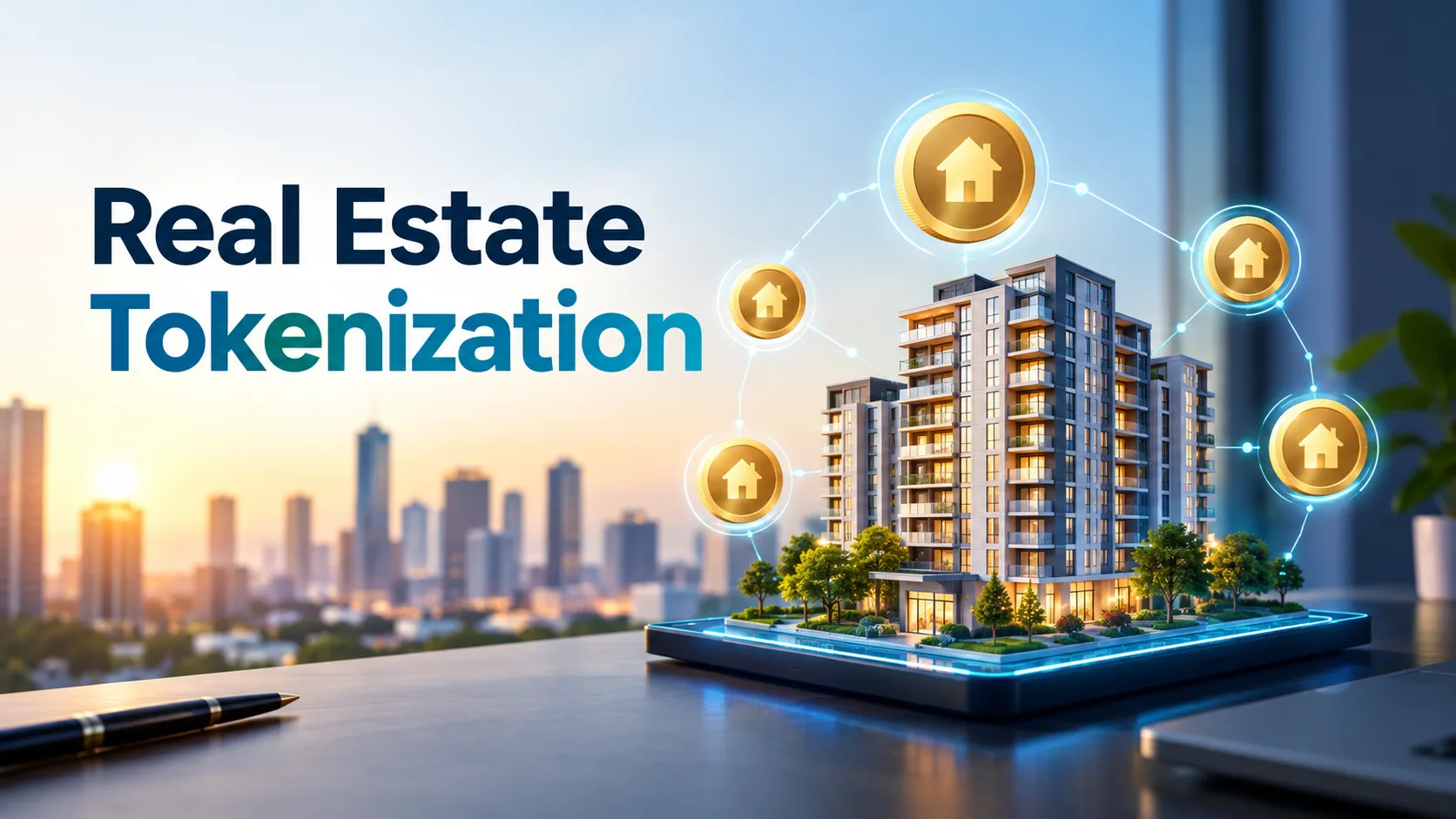
Real estate tokenization offers an alternative approach to managing this financial gap. By representing legally defined property interests, contractual payment rights, or eligible real estate-related assets as digital tokens on a blockchain, developers can explore new ways to structure financing and access capital. Instead of waiting exclusively for traditional property sales to release funds, they may be able to connect eligible assets or future cash flows with investors through appropriately structured tokenization models.
This approach does not eliminate property market risks or guarantee immediate liquidity. However, when supported by suitable legal arrangements, transparent disclosures, and reliable technology, real estate tokenization can help developers explore more flexible capital management strategies.
What Is Capital Trapped Between Property Sales?
Capital becomes trapped when money invested in acquiring land, constructing buildings, or preparing properties for sale cannot be recovered quickly enough to support ongoing business activities.
For example, a developer might complete several residential units but receive payments gradually as buyers meet contractual milestones. Although the properties represent substantial value, the developer may not have enough immediately available cash to fund another construction phase, purchase materials, or settle contractor invoices.
Several factors contribute to this problem. Unsold commercial or residential inventory can tie up significant development capital. Installment-based sales can delay the collection of the full purchase price. Booking deposits may be subject to contractual restrictions, while outstanding receivables depend on buyers making future payments.
Traditional financing can help bridge these gaps, but loan approvals, collateral requirements, interest expenses, and repayment obligations may limit available options. Developers therefore need financial structures that can potentially unlock value without relying entirely on completed property sales.
How Can Real Estate Tokenization Unlock Trapped Capital?
Real estate tokenization converts legally structured interests associated with property into digital tokens that can be issued, recorded, and managed through blockchain infrastructure. The underlying interest might involve an ownership interest through a legal entity, a contractual payment entitlement, or another permitted economic right.
For developers, the opportunity lies in determining which assets or cash flows can support a suitable financing structure.
1. Tokenizing Unsold Property Inventory
Completed apartments, commercial units, warehouses, and other unsold properties can represent substantial amounts of capital that developers cannot yet redeploy.
A tokenization model could allow a developer to establish a legally compliant investment structure connected to eligible properties. Investors might acquire tokens representing defined economic interests in that structure, subject to applicable securities, property, and financial regulations.
Depending on the arrangement, the developer could use the proceeds to support working capital, repay eligible project expenses, or finance another development phase.
However, token issuance does not automatically convert unsold units into cash. Investor demand, asset valuation, legal ownership, disclosures, and transaction costs all influence whether the structure can raise capital successfully.
2. Unlocking Value From Property Installment Payments
Many property transactions involve staged payments rather than a single upfront purchase price. Buyers may pay an initial amount followed by installments tied to construction milestones or agreed dates.
These future payments can create a financing gap because developers incur expenses before collecting the entire sale value.
Tokenization could support a structure in which eligible contractual payment rights are represented digitally and offered to qualified investors. Depending on the legal arrangement, the financing proceeds could provide earlier access to a portion of expected receivables.
The developer must establish whether those payment rights can legally be transferred, assigned, pledged, or otherwise used for financing. Buyer agreements, consent requirements, default risks, and payment collection arrangements also need careful review.
3. Financing Construction Between Sales Milestones
Construction projects rarely generate revenue at the same pace as expenses. Developers may need to pay contractors, purchase materials, and complete infrastructure work well before the next scheduled property payment arrives.
A tokenized financing structure could connect eligible project-related rights or documented cash flows with investors seeking exposure to defined real estate opportunities.
For instance, a project with verified sales contracts and clearly documented payment schedules could explore financing against eligible receivables. Funds raised may help bridge the period between construction expenditure and the collection of contractual payments.
This approach requires realistic cash-flow projections, appropriate risk allocation, and clear repayment arrangements. Investors must understand what happens if construction is delayed, buyers default, or expected sales proceeds fall short.
4. Turning Property Receivables Into Financing Opportunities
Outstanding property receivables can represent money owed to a developer under valid contractual agreements. However, waiting for payment can create working-capital pressure.
Tokenization can provide digital infrastructure for recording interests associated with eligible receivables and coordinating investor participation. Smart contracts may support recordkeeping, payment tracking, and the distribution of funds according to predefined terms.
The underlying receivables still need verification. Developers must assess payment histories, contractual enforceability, buyer creditworthiness, and potential disputes before using them in a financing arrangement.
5. Structuring Financing Around Rental Income
Some developers retain completed properties to generate rental income rather than selling every unit immediately. Commercial buildings, residential portfolios, logistics facilities, and warehouses may produce recurring cash flows.
Where legally permissible, tokenization can support investment structures linked to defined economic interests in rental-generating assets. Investors may receive distributions according to contractual terms, while the developer or property-owning entity can potentially raise capital without selling the entire property outright.
This model can help developers explore capital-raising options while retaining an appropriate level of control over property operations. Nevertheless, rental vacancies, tenant defaults, maintenance expenses, and changes in market conditions can affect the income available for distribution.
How Does Tokenization Improve Capital Efficiency?
Real estate tokenization can offer several potential advantages when the underlying assets, legal rights, and financing arrangements are properly structured.
Access to a broader investor base: Digital investment infrastructure can make it easier to present eligible real estate opportunities to investors across different markets, subject to local laws and offering restrictions.
Flexible financing structures: Developers can explore arrangements involving property-linked interests, receivables, rental income, or other eligible economic rights rather than relying exclusively on conventional loans or outright asset sales.
Improved transaction visibility: Blockchain records can provide a shared record of token issuance, transfers, and relevant transactions. Accurate disclosures and reliable off-chain data remain essential.
Automated payment administration: Smart contracts may automate eligible administrative processes, such as calculating distributions or recording payment events, when connected to verified data and suitable controls.
Potentially more efficient asset management: Tokenized records may help organize information about investor entitlements, payment schedules, and asset-related transactions across a portfolio.
These advantages depend on the implementation. Tokenization does not eliminate legal, administrative, compliance, or intermediary costs, and blockchain records alone do not establish legal ownership of a property.
What Is the Process for Tokenizing Capital Tied Up in Property Sales?
A practical implementation begins with identifying the specific financing problem rather than creating tokens without a defined business purpose.
First, the developer evaluates the assets and cash flows involved. These might include unsold units, enforceable receivables, rental income, or contractual payment rights. Independent valuation and financial analysis help determine whether the proposed financing structure is commercially viable.
Second, legal specialists establish the rights that can be represented and determine the appropriate legal entity, transaction documents, investor eligibility requirements, and regulatory obligations. The structure must clearly explain whether token holders receive ownership interests, contractual claims, income rights, or another defined entitlement.
Third, the developer selects or builds a real estate tokenization platform. Relevant capabilities may include investor onboarding, identity verification, compliance checks, token issuance, permissioned transfers, transaction records, and distribution management.
Fourth, the offering is prepared with appropriate financial disclosures, risk explanations, subscription terms, and investor protections. Depending on the jurisdiction and offering structure, securities registration, exemptions, licensing, or other approvals may be necessary.
Finally, funds are allocated according to the documented financing plan. The developer monitors repayment obligations, property performance, investor reporting, and distributions throughout the life of the arrangement.
Key Challenges Developers Must Consider
Although tokenization can create additional financing possibilities, it does not make every property asset suitable for investment.
Legal enforceability is a primary consideration. A token must correspond to a clearly defined right, and the relevant contracts and legal arrangements must support that right. Issuing a digital token does not automatically transfer title to real estate or create an enforceable claim against a buyer.
Regulatory compliance is equally important. Depending on the jurisdiction and structure, tokens may be classified as securities or other regulated financial products. Investor eligibility, marketing restrictions, disclosure requirements, taxation, anti-money laundering controls, and transfer restrictions must be assessed before issuance.
Valuation and investor demand can also affect fundraising outcomes. An asset may have considerable estimated value without attracting investors at the proposed price or terms. Developers must account for issuance expenses, platform costs, legal fees, servicing requirements, and potential liquidity limitations.
Finally, technology and operational risks require attention. Smart-contract vulnerabilities, inaccurate property data, cyberattacks, and failures in payment integrations can undermine an otherwise well-designed financing structure. Independent audits, secure custody arrangements, documented procedures, and appropriate governance can help mitigate these risks.
Real Estate Tokenization vs. Traditional Property Financing
Traditional property financing often relies on bank loans, mortgages, private funding, or the sale of property units. These approaches remain important, but each comes with specific requirements and limitations.
Tokenization introduces a digital mechanism for structuring and administering eligible property-related investment interests. It may complement traditional financing by creating additional ways to connect assets or contractual cash flows with investors.
For example, a bank may provide a secured loan against eligible property collateral, while a tokenized financing arrangement may involve investors acquiring defined interests in a property-owning entity or eligible receivables. The two structures differ in their legal rights, repayment obligations, risk allocation, and regulatory treatment.
Tokenization should therefore be evaluated as a potential addition to a developer's capital strategy, not as a universal replacement for bank lending or property sales.
Conclusion
Real estate tokenization can help developers explore ways to unlock capital trapped between property sales by connecting eligible assets, contractual payment rights, receivables, and rental income with appropriately structured financing opportunities.
Its greatest potential lies in addressing specific cash-flow bottlenecks. Developers may be able to access funding before all property installments are collected, explore financing for unsold inventory, or raise capital against eligible income-generating assets without necessarily selling their entire holdings.
Successful implementation depends on enforceable legal rights, credible valuations, investor demand, regulatory compliance, and reliable technology. When these foundations are in place, tokenization can become one component of a broader capital management strategy, helping property businesses explore more flexible ways to fund development, manage liquidity, and pursue new projects.
Frequently Asked Questions
1. How can real estate tokenization unlock trapped capital?
It can enable developers to structure digital investment interests linked to eligible property assets, receivables, rental income, or contractual payment rights, potentially providing access to financing before all sale proceeds are received.
2. Can developers tokenize unsold properties?
Potentially, yes. Developers can explore tokenization through suitable legal structures connected to unsold property inventory. The available structure depends on ownership arrangements, applicable regulations, investor demand, and the rights offered.
3. Can property installment payments be tokenized?
Eligible contractual payment rights may be represented in a tokenized financing structure when legally permitted. Contract terms, transfer restrictions, buyer obligations, and enforceability must be reviewed first.
4. Does real estate tokenization guarantee liquidity?
No. Tokenization does not guarantee fundraising, a buyer for the tokens, or a liquid secondary market. Liquidity depends on investor demand, legal transferability, platform arrangements, and market conditions.
5. What technology is required for real estate tokenization?
A suitable platform may include blockchain-based token issuance, investor onboarding, identity verification, compliance controls, smart contracts, transaction records, and payment distribution capabilities. The exact requirements depend on the asset and financing model.