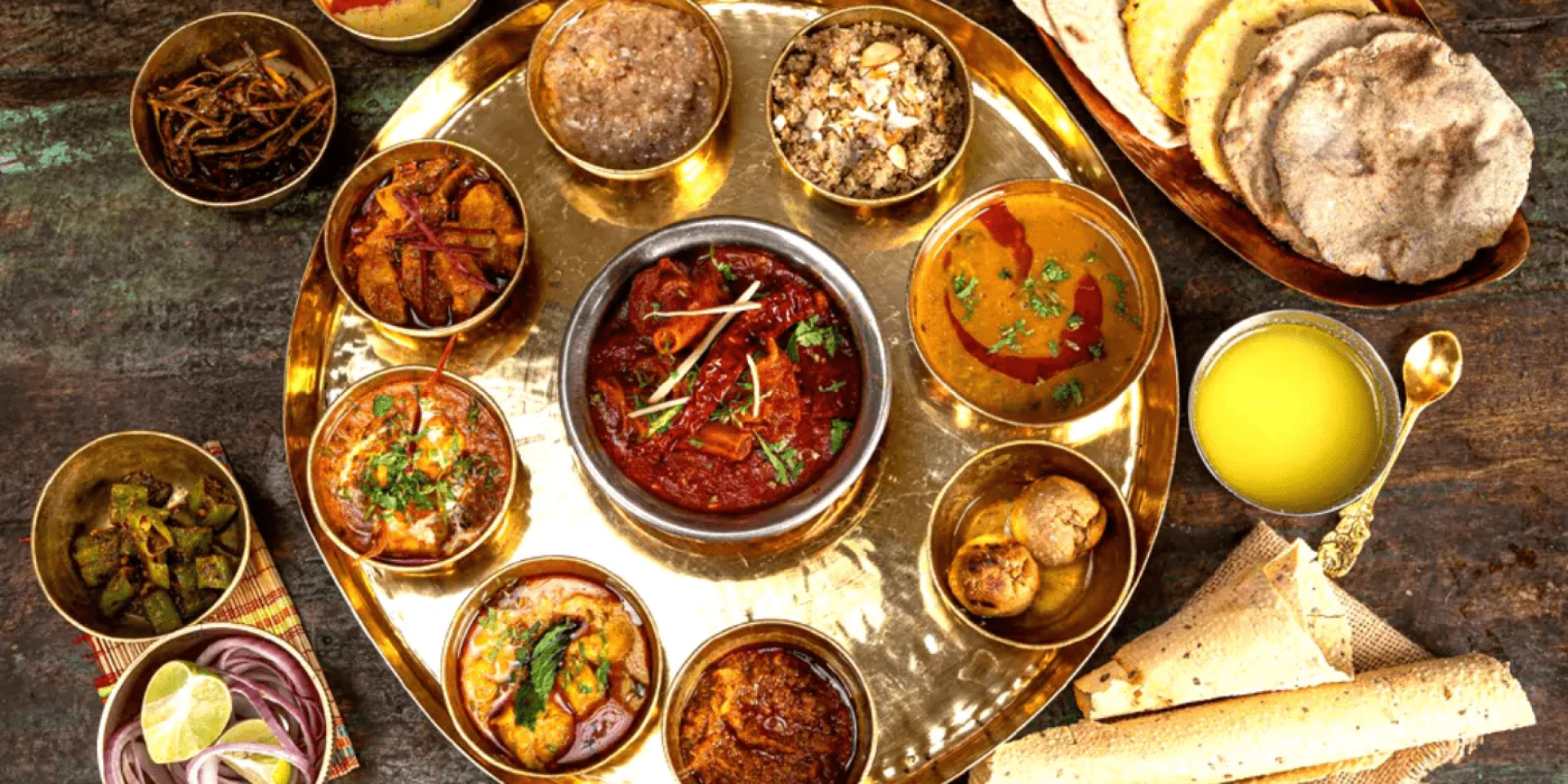
Rajasthan, the land of royal palaces, golden deserts, and vibrant traditions, is also home to one of India’s most distinctive culinary cultures. The flavors of this desert state are not only a treat for the palate but also a deep reflection of its resilient past, rich heritage, and diverse communities. Anyone embarking on a cultural journey through Rajasthan will soon realize that the state’s food is as colorful and complex as its history. For those planning a cultural and culinary experience, a reliable Rajasthan tour operator can help uncover these hidden gastronomic gems.
The Geography Behind the Cuisine
The arid climate and scarcity of water in Rajasthan have significantly shaped its cuisine. Unlike coastal or riverine regions, Rajasthani food evolved around preserving ingredients for long periods. This is why the state is known for its use of dry spices, long-lasting pickles, and sun-dried vegetables. Dishes like ker sangri, a wild berry and bean preparation, and gatte ki sabzi, made from gram flour dumplings, arose from the necessity of cooking with limited fresh produce.
This resourcefulness is a direct reflection of the Rajasthani people's resilience and ability to thrive in a tough environment. Their food tells the story of adaptation and survival, blending practicality with flavor in a way that’s become iconic.
Royal Influence on Rajasthani Food
The princely states of Rajasthan had a significant impact on its culinary traditions. The royal kitchens of Rajput rulers were centers of innovation, blending war-time cooking with luxurious ingredients like saffron, dry fruits, and ghee. Meat dishes such as laal maas—a fiery mutton curry—originated from royal hunting expeditions and were later refined into gourmet cuisine.
These royal delicacies weren't just meals; they were an extension of power, prestige, and hospitality. Many recipes have been passed down through generations of palace chefs, and today they are kept alive in traditional homes and heritage hotels. Joining a Majestic Rajasthan Getaway Tour gives travelers the opportunity to dine like the royals once did, complete with stories that accompany every dish.
Vegetarian Delights with a Punch
Despite the influence of royal non-vegetarian cuisine, a large portion of the Rajasthani population is vegetarian due to religious beliefs, particularly among Jain and Marwari communities. This gave rise to a wide array of vegetarian dishes that are bold, flavorful, and deeply satisfying.
Some standout examples include dal baati churma, a traditional Rajasthani meal consisting of baked wheat balls, spicy lentils, and sweet crushed wheat, and papad ki sabzi, made using gram flour crisps simmered in spiced yogurt gravy. These dishes are not just about nourishment—they represent the warmth and communal nature of Rajasthani households where food is a form of love and tradition.
The Cultural Significance of Spices and Ingredients
Rajasthani cuisine’s distinct identity also lies in its liberal use of spices—often sourced locally. Turmeric, red chili, coriander, cumin, and asafoetida dominate most preparations. These aren’t merely flavor enhancers but also carry medicinal properties long valued in Ayurveda. The food not only pleases the senses but often serves functional purposes like aiding digestion or preserving health in harsh climates.
Additionally, ghee holds a sacred place in the culinary and spiritual practices of Rajasthan. It’s used generously in festive dishes, temple offerings, and daily cooking, symbolizing purity and richness. From the buttery texture of laddoos to the sizzling tadka in dals, ghee connects the food to the cultural fabric of the region.
Food in Festivals and Rituals
Food in Rajasthan is deeply tied to religious and seasonal festivals. Each festival comes with its unique culinary rituals. During Diwali, sweets like besan laddoo and ghewar dominate the platters, while Teej and Gangaur bring forth seasonal offerings prepared by women in the family. Even mourning rituals have specific food customs, often centered around simplicity and abstinence.
These practices are not only about food but also about continuity—preserving traditions and passing them on to future generations. The meticulous preparations and recipes symbolize devotion, identity, and belonging, making food an essential part of social and spiritual life in Rajasthan.
Local Experiences and Food Trails
In recent years, cultural tourism in Rajasthan has put a spotlight on its cuisine. Travelers now seek immersive experiences that go beyond sightseeing—cooking classes in rural homes, dining in centuries-old havelis, and tasting heirloom recipes at food festivals. Local markets, bustling with spice vendors, street food carts, and sweet shops, serve as microcosms of Rajasthan’s culinary diversity.
For those looking to explore Rajasthan during cooler months, the Chilling Rajasthan Tour offers a perfect blend of culture, food, and climate. Imagine sipping masala chai in a desert camp or savoring hot pakoras during a winter fair—it’s an experience that stays with you long after the trip ends.
Conclusion: More Than Just Food
Rajasthani food is not just a matter of taste—it’s a lens through which you can understand the state's history, geography, values, and people. Each dish carries with it a narrative of migration, climate, faith, and festivity. From the warrior meals of the Rajputs to the humble lentils of desert dwellers, the diversity on the plate mirrors the cultural landscape of the state.
Travelers and food lovers alike will find that exploring Rajasthani cuisine offers far more than satisfaction for the stomach—it feeds the soul with stories, colors, and centuries of tradition. Whether you’re indulging in royal feasts or savoring street-side snacks, Rajasthan’s culinary heritage offers a journey that is as profound as it is delicious.