
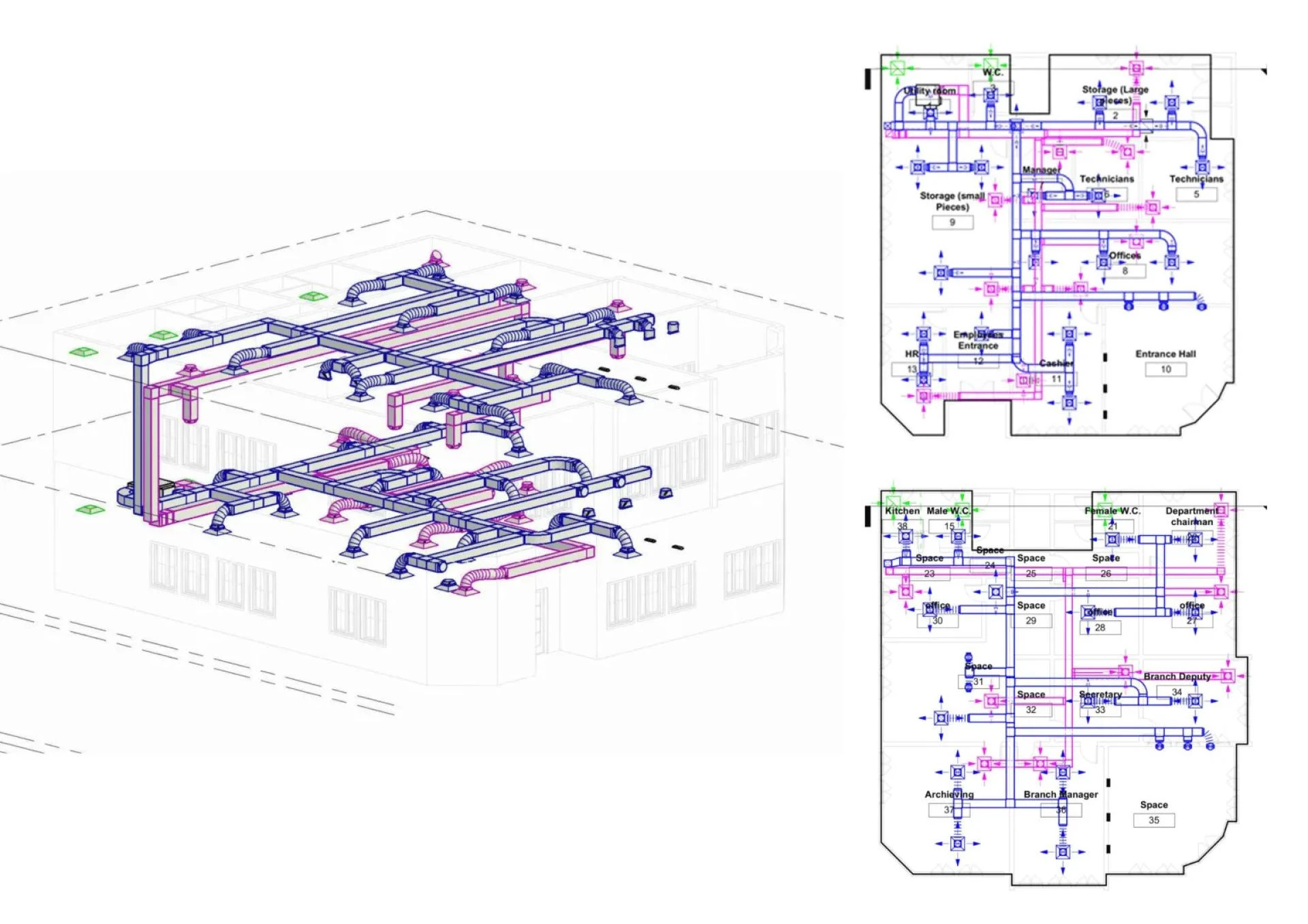
In the world of modern construction, efficiency is everything. Delays, errors, and poor coordination can significantly increase costs and waste valuable time. This is where a professional MEP Layout Plan makes all the difference. MEP stands for Mechanical, Electrical, and Plumbing, the systems that bring life to any structure. A well-prepared MEP layout ensures smooth construction, reduces risks, and improves overall building performance.
In this article, we will explore how professional MEP layout planning boosts construction efficiency and why working with trusted experts like engineerteam is essential for project success.
What Is an MEP Layout Plan?
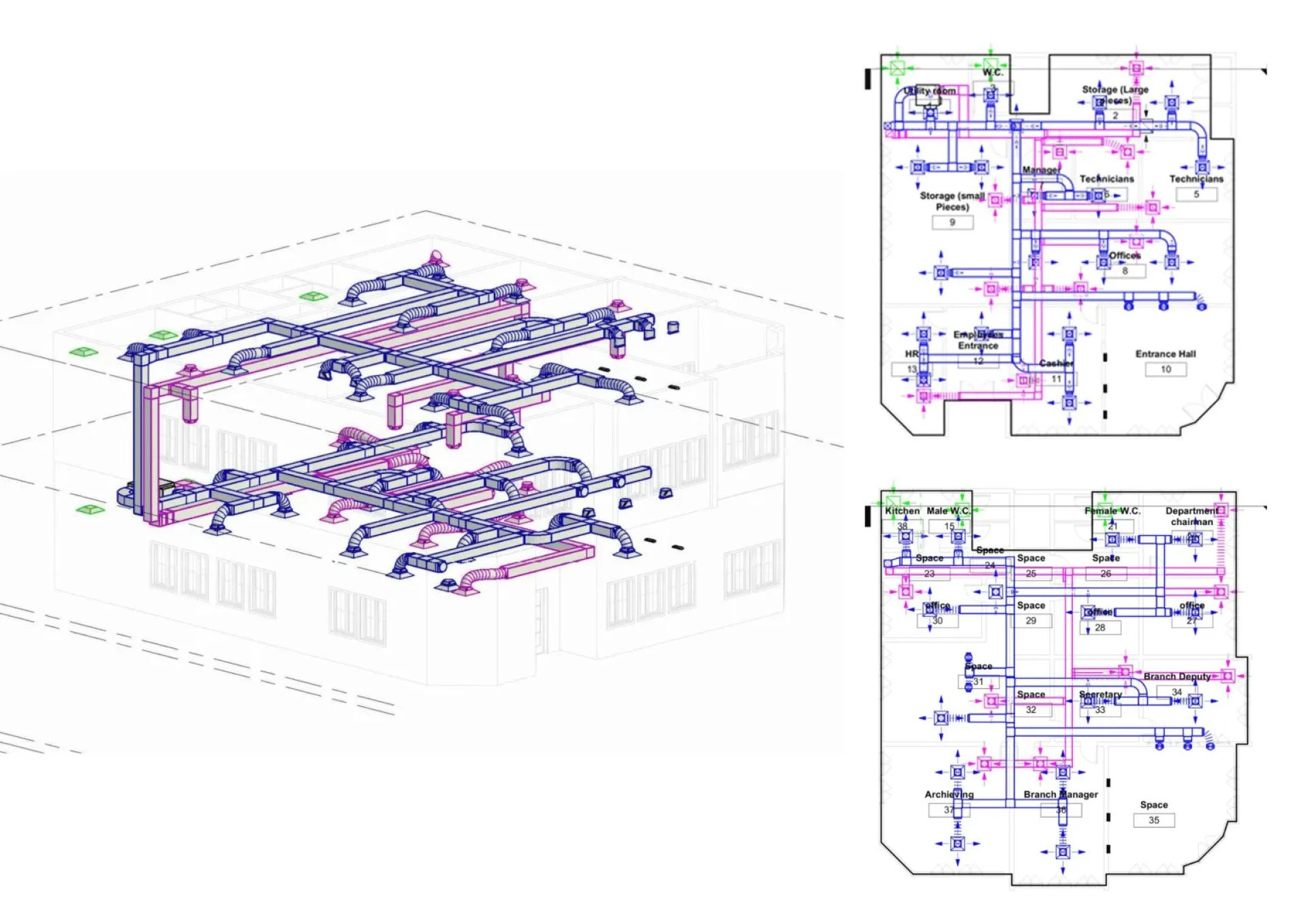
An MEP Layout Plan is a detailed drawing that integrates mechanical, electrical, and plumbing systems into the design of a building. It ensures that all three systems are properly coordinated, avoiding conflicts during construction.
Key areas include:
- Mechanical (HVAC): Placement of ducts, vents, and air-conditioning units.
- Electrical: Wiring, circuits, switchboards, lighting, and fire alarms.
- Plumbing: Water supply, drainage, fire protection, and waste systems.
How MEP Layout Plans Improve Efficiency
- Better Coordination – Professional layouts prevent clashes between different systems.
- Reduced Rework – Accurate planning minimizes costly on-site changes.
- Time Savings – Smooth workflows help complete projects faster.
- Cost Optimization – Efficient use of materials and energy reduces project costs.
- Safety & Compliance – Ensures adherence to building codes and international standards.
Role of Technology in MEP Planning
Technology plays a huge role in boosting construction efficiency through MEP layouts. Tools like:
- Revit BIM – Enables 3D modeling and clash detection.
- AutoCAD MEP – Provides precise drafting and layouts.
- Energy analysis software – Improves sustainability and efficiency.
These tools allow architec