
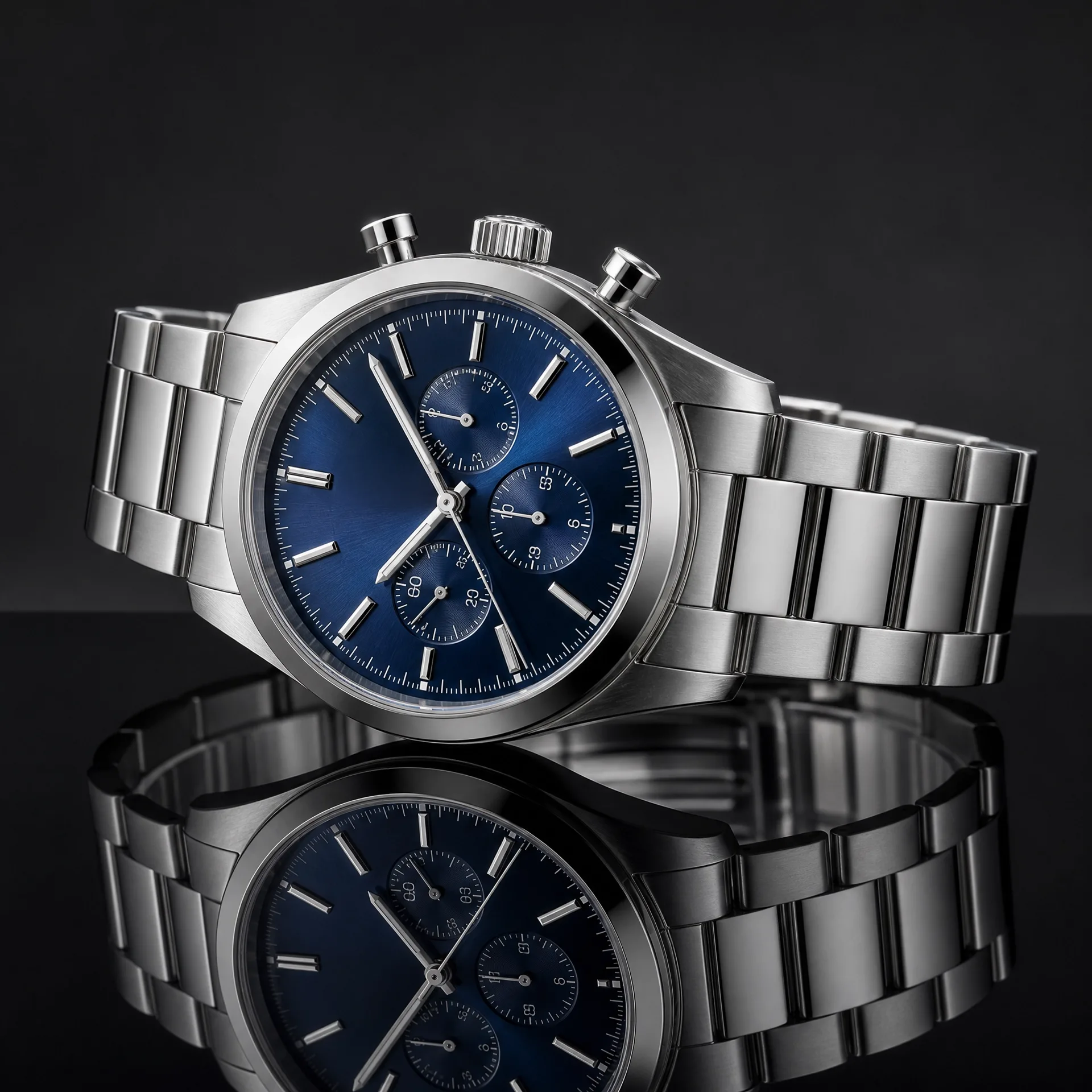
In the competitive landscape of e-commerce, where digital storefronts replace physical showrooms, product images are not just visual aids—they are your most persuasive salespeople. High-quality, professionally edited images are crucial for capturing attention, building trust, and ultimately, driving online sales. This blog post explores the profound impact of professional image editing on e-commerce success, backed by data and real-world examples.
The Unseen Power of Visuals: Why Quality Images Drive Sales
In online retail, customers cannot physically interact with products. Their purchasing decisions are almost entirely based on what they see on their screens. This makes visual appeal paramount. Studies consistently show that 93% of consumers consider visual appearance the most important factor when making an online purchase [1]. First impressions are formed in milliseconds, and nearly half of web users (around 46%) judge a website's credibility based on its design and imagery.
Professionally edited images convey a sense of quality and trustworthiness, signaling to potential buyers that your brand is legitimate and cares about its products. Conversely, poor-quality images can erode trust and drive shoppers away, making them question the authenticity and value of your offerings.
Quantifiable Impact: Boosting Conversion Rates and Reducing Returns
The link between superior product imagery and increased sales is not merely anecdotal; it is supported by compelling data:
Higher Conversion Rates: Products with professional-quality photos have been shown to achieve a 33% higher conversion rate on average compared to those with low-quality images. Some analyses even report that high-quality product photos can lead to a 94% higher conversion rate. This means the same product can sell nearly twice as well simply by being presented with excellent visuals.
Increased Engagement: Better visuals keep customers on product pages longer, encouraging them to explore details and move from browsing to buying. One study found that customers are roughly three times more likely to buy from an e-commerce listing with rich, high-resolution imagery (multiple angles, zoom, true colors, in-context views).
Reduced Return Rates: Misleading or low-quality images can lead to customer dissatisfaction and product returns. For instance, approximately 22% of product returns in jewelry were attributed to the item “looking different in person” compared to photos. Professional editing ensures accuracy, setting correct expectations and building trust, thereby reducing costly returns.
Investing in professional image editing is one of the highest-ROI strategies for boosting a small shop’s conversion rate, directly addressing buyer uncertainty and making your site more persuasive at the crucial moment of decision.
Case Studies Across Product Categories
The positive impact of professional imagery spans across diverse product categories:
Fashion & Apparel: In an industry where fit and texture are paramount, high-quality images are non-negotiable. Shoppers need to zoom in on fabric details and see clothing from multiple angles. A maternity wear brand, for example, saw a 27% jump in conversions after introducing 360° rotating product photos.
Jewelry & Accessories: For small, intricate items like jewelry, macro shots and creative lighting are essential to capture sparkle and craftsmanship. Switching to larger, high-resolution images led to a 9.5% increase in sales for jewelry items in one analysis. Accurate photos also help manage customer expectations regarding size and appearance.
Home Décor & Furniture: Customers need to envision how items will look in their space. Contextual and quality imagery, such as a sofa in a furnished living room, can inspire purchases. Consumers are three times more likely to buy when retailers provide rich imagery with zoomable close-ups and in-room context.
Electronics & Gadgets: Shoppers scrutinize images to understand features like ports, buttons, and screens. Clear, high-definition images are vital; one study found that 53% of online shoppers rely on product images to understand how a product functions. Multiple high-resolution images lead to greater engagement.
Food & Beverage Products: In food e-commerce, appealing visuals can significantly increase orders. Food delivery apps have reported substantial jumps in orders (e.g., 30% increase for Grubhub, 24% for Deliveroo) when menu items include photos [1].
SEO Benefits of Optimized Product Images
Beyond direct sales impact, professional image editing and optimization also contribute significantly to your search engine optimization (SEO) efforts:
Improved Search Rankings: Search engines favor websites with high-quality visuals and fast loading times. Optimized images, with appropriate file names and alt text, help search engines understand your content better, leading to higher rankings in both web and image search results.
Enhanced User Experience: Fast-loading, high-quality images improve site speed and overall user experience, which are critical factors for SEO. Websites with better user experience tend to have lower bounce rates and higher engagement, signaling to search engines that your site is valuable.
Increased Organic Traffic: By optimizing images with descriptive alt text and relevant keywords, you can attract more organic traffic to your product pages. When users search for specific products, well-optimized images are more likely to appear in search results, driving potential customers directly to your store.
Conclusion
In the digital marketplace, professional image editing is not a luxury but a necessity for any e-commerce business aiming to thrive. High-quality product images are powerful assets that enhance credibility, boost conversion rates, reduce returns, and improve SEO. By prioritizing stunning visuals, you create an engaging online shopping experience that resonates with consumers, builds trust, and ultimately drives your online sales to new heights.