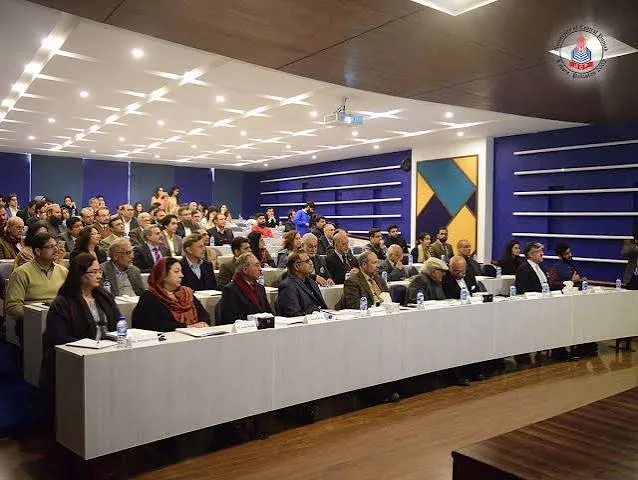
In today’s competitive business environment, an event is much more than a gathering of people in one place. A well-planned business event can strengthen relationships, introduce new ideas, generate valuable leads, improve brand visibility, and create opportunities for long-term growth. From corporate conferences and product launches to exhibitions, workshops, investor meetings, and networking events, every occasion requires careful planning and professional execution. This is why businesses increasingly rely on professional event planning in Pakistan to manage the details, reduce operational pressure, and deliver experiences that leave a lasting impression.
A successful event does not happen simply because a venue has been booked and guests have been invited. It requires a clear objective, a realistic budget, detailed scheduling, reliable vendors, effective communication, technical preparation, guest management, and careful coordination on the event day. PFOC’s event management approach emphasizes structured planning, vendor coordination, timelines, production, logistics, and on-site supervision to help businesses maintain control throughout the event lifecycle.
Why Professional Event Planning Matters for Businesses
Businesses often underestimate how many moving parts exist behind a successful event. A conference may involve speakers, registration systems, audiovisual equipment, catering, branding, seating arrangements, transportation, photography, security, and media coordination. An exhibition can involve booth allocation, floor planning, exhibitor requirements, visitor registration, marketing, and on-ground support.
Managing all of these responsibilities internally can put unnecessary pressure on employees who already have other business priorities. Professional planners bring structure to the process by assigning responsibilities, creating schedules, coordinating suppliers, and identifying potential problems before they become serious.
The purpose is not simply to make an event look attractive. It is to make the entire experience functional, organized, and aligned with the company’s goals.
Starting With a Clear Event Objective
Every successful event should begin with one important question: what does the business want to achieve?
A company may want to introduce a new product, build relationships with clients, attract investors, educate employees, generate leads, strengthen its industry position, or create networking opportunities. Without a clearly defined purpose, event planning can quickly become focused on unnecessary details rather than meaningful results.
A professional event management team begins by understanding the audience, objectives, expected attendance, available budget, event format, and desired outcomes. This information helps shape the entire planning process.
For example, an investor-focused event requires a different strategy from an employee town hall. A product launch may prioritize media visibility and brand positioning, while a business-to-business networking event may focus more heavily on attendee selection and scheduled meetings.
Building a Practical Event Strategy
Once the objective is clear, the next step is developing a practical strategy. This includes selecting an appropriate venue, setting timelines, allocating budgets, identifying suppliers, and designing the event flow.
Venue selection is particularly important because location affects accessibility, capacity, guest experience, technical setup, parking, security, and overall costs. Professional planners evaluate these factors before recommending a venue rather than selecting a location based solely on appearance.
An effective event planning strategy in Pakistan should also consider local operational challenges such as traffic congestion, power interruptions, weather conditions, venue restrictions, and transportation requirements. Preparing alternatives in advance can significantly reduce disruption during the event.
Managing Budgets Without Compromising Quality
Budget management is one of the most important parts of event planning. Without proper control, costs can increase quickly through last-minute vendor changes, additional production requirements, transportation issues, or unplanned purchases.
Professional event organizers establish a detailed budget that covers major categories such as venue costs, catering, audiovisual production, stage design, branding, staffing, transportation, photography, entertainment, and contingency expenses.
The goal is not always to spend less. The goal is to spend intelligently.
A well-managed budget allocates resources toward elements that contribute directly to the event’s purpose. For example, a high-profile product launch may require greater investment in audiovisual production and media coverage, while an executive meeting may benefit more from premium hospitality and personalized guest management.
PFOC highlights structured budget control and supplier coordination as part of its event delivery model, helping clients maintain greater visibility over planning and execution.
Creating a Strong Guest Experience
Guests remember how an event made them feel. From the moment they receive an invitation to the time they leave the venue, every interaction contributes to their overall impression.
Professional event organizers in Pakistan focus on creating a smooth guest journey. Invitations should provide accurate information, registration should be simple, arrival procedures should be clear, and seating arrangements should support the event format.
For corporate events, guest management may also include VIP handling, speaker coordination, badges, check-in systems, parking arrangements, and transportation schedules. These details might appear small individually, but together they can significantly influence the quality of the event.
A strong guest experience communicates professionalism and demonstrates that the organizing company values its audience.
The Role of Technology in Modern Events
Technology has become an important part of modern event management. Digital registration systems, LED screens, live presentations, online invitations, event apps, social media coverage, and hybrid meeting platforms can improve engagement and efficiency.
Audiovisual production is especially important for conferences, seminars, award ceremonies, and product launches. Poor sound quality, technical interruptions, or presentation failures can damage the credibility of an otherwise well-organized event.
Professional planners coordinate technical requirements before the event and conduct rehearsals where necessary. Backup arrangements can also help reduce the impact of equipment failure or unexpected power interruptions.
Technology should support the event objective rather than exist simply for visual impact. The best solutions are those that improve communication, engagement, accessibility, and overall execution.
Corporate Events That Deliver Business Value
A corporate event should ideally create measurable value for the organization. This value can take many forms, including stronger relationships, better employee engagement, new partnerships, increased awareness, or qualified business leads.
For this reason, corporate event management services in Pakistan are increasingly focused on outcomes rather than appearance alone.
A successful business conference can position a company as an industry authority. A networking event can create new partnerships. A carefully organized investor meeting can facilitate meaningful conversations. A training workshop can improve employee knowledge and collaboration.
The event itself becomes a business tool rather than simply a scheduled activity.
Exhibition Management and Business Networking
Exhibitions require an even greater level of coordination because multiple organizations, exhibitors, suppliers, and visitors are involved at the same time.
Floor planning is essential for maintaining visitor movement and ensuring exhibitors receive appropriate visibility. Booth design, exhibitor requirements, registrations, signage, technical support, and promotional activities must all work together.
Professional exhibition management services in Pakistan can also support visitor acquisition and exhibitor coordination. According to PFOC’s event management framework, exhibitions may involve floor planning, exhibitor recruitment, booth allocation, visitor marketing, registration, and post-event reporting.
The same principle applies to business networking events. Filling a room with people is not enough. The quality and relevance of the connections matter. Carefully planned matchmaking, scheduled meetings, industry roundtables, and targeted attendee acquisition can create stronger opportunities for participants.
Preparing for Event Risks
Even excellent planning cannot eliminate every possible problem. Professional event management therefore requires risk preparation.
Common challenges can include technical failures, speaker cancellations, traffic delays, power interruptions, catering issues, unexpected weather, and last-minute schedule changes. Effective planners prepare contingency options so that one problem does not disrupt the entire programme.
For example, backup power can protect critical audiovisual equipment, alternate routes can help reduce transportation delays, and flexible agendas can provide options when a speaker becomes unavailable.
Risk management gives event organizers the ability to respond quickly instead of making important decisions under pressure.
Why On-Site Coordination Makes a Difference
Planning does not end when guests enter the venue. The event day is where every preparation is tested.
An experienced event coordinator monitors the schedule, communicates with suppliers, supervises production teams, supports speakers, manages guest movement, and resolves unexpected issues. Having one accountable event lead can make communication considerably easier because vendors and staff know who is responsible for final decisions.
This level of coordination allows business representatives to focus on their guests, presentations, networking, and business objectives instead of constantly dealing with operational problems.
Choosing the Right Event Management Partner
Selecting an event management company should involve more than comparing prices. Businesses should evaluate experience, planning systems, communication standards, supplier management, technical capabilities, risk preparation, and understanding of the local market.
A reliable event management company in Pakistan should be able to explain how it handles the process from initial briefing to post-event evaluation. Transparency is also important because clients should understand the scope, timelines, responsibilities, and budget before execution begins.
The best event partner becomes an extension of the business team, helping transform an idea into a structured experience.
Turning Events Into Long-Term Opportunities
The value of an event should not disappear when the final guest leaves. Post-event activities can help businesses understand what worked, what needs improvement, and which opportunities should be pursued.
Feedback, attendance data, media coverage, lead information, photographs, videos, and networking results can all provide useful insights. A post-event review can help companies improve future gatherings and make better decisions about budgets and formats.
This is particularly valuable for businesses that organize events regularly. Each event becomes an opportunity to improve the next one.
Conclusion
Professional event planning is about much more than decoration, entertainment, or choosing an attractive venue. It is a strategic process that combines planning, logistics, technology, communication, risk management, guest experience, and business objectives.
For companies across Pakistan, the right approach can transform an ordinary gathering into an organized and meaningful business experience. Whether the goal is to host a corporate conference, launch a product, connect investors, manage an exhibition, or conduct a professional workshop, careful preparation can make the difference between an event that simply happens and one that produces real value.
Organizations looking for dependable event management services in Pakistan should prioritize professional coordination, clear planning, transparent budgeting, and strong execution. With the right structure in place, businesses can create events that not only run smoothly but also strengthen their reputation, relationships, and future opportunities. This structured approach is also central to the way PFOC positions its event management support for corporate clients across Pakistan.