Eggs, meat, companionship — whatever pulls you into poultry keeping, the flock demands active management. Disease moves ruthlessly fast. One sick bird Monday can gut an entire pen by Friday, and those losses hit from every direction: productivity, welfare, money. The brutal truth most keepers absorb too late — reacting to illness drains far more resources than stopping it ever would. Management habits, environmental controls, daily observation — these aren't separate concerns. They're interlocked. Nail those, and your birds outlast, outperform, and outlive the flock down the road.
Understanding the Foundations of Preventive Care
Several core principles hold everything together. Biosecurity sits dead center — controlling what flows in and out of your poultry space. Restrict who walks your facilities. Keep dedicated footwear and clothing for separate zones. Scrub hands between handling different bird groups. Beyond access control, clean housing is non-negotiable. So is regular equipment sanitization and tight waste management, both of which steadily erode the pathogen load hiding in your environment. Establish these habits before trouble arrives — do it consistently — and disease organisms struggle to gain any traction at all.
Nutrition and Immune System Development
A poorly fed bird is essentially waiting to get sick. Immunity doesn't just appear. It's built — slowly, through sustained feeding that delivers vitamins, minerals, and proteins in the right amounts at the right times. Vitamin A. Vitamin D. Zinc. Selenium. Cut corners on any of them and resistance wobbles; secondary infections pile on even after something minor. And this isn't just a chick-phase concern. Every stage of life matters. Consistent feeding quality means consistent protection. Genuinely that straightforward.
Environmental Management and Disease Prevention
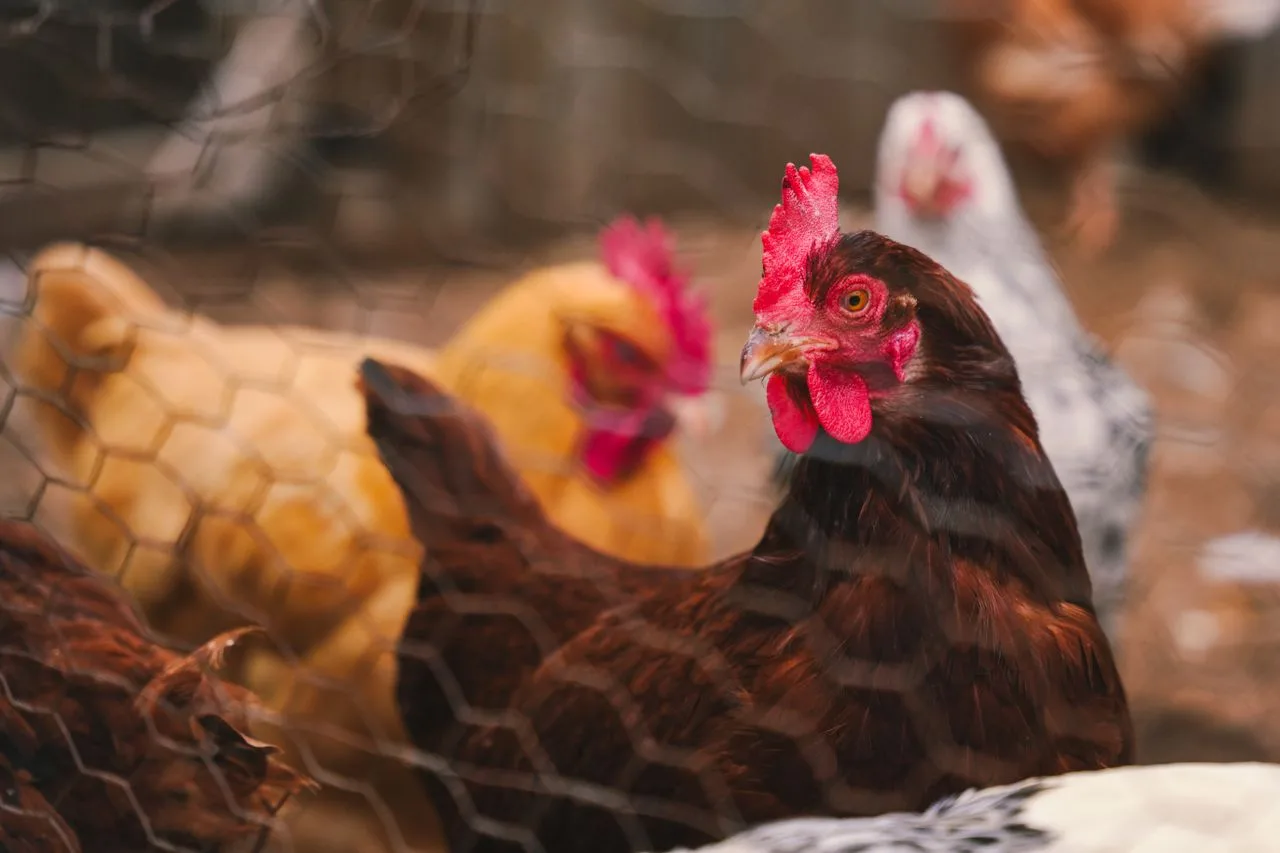
Housing conditions ripple into everything else. Poor ventilation lets ammonia from bedding accumulate — hammering respiratory health before you notice anything wrong. Temperature swings stress birds. Stressed birds fight infection badly. Crowd too many into one space and contagious disease tears through faster than any response you can mount; stocking density isn't a comfort question, it's a disease-control question. Waterers and feeders need cleaning on a real schedule. Pathogens and parasites flourish wherever neglect settles in. During routine coop maintenance, many flock managers rely on poultry spray for mites to shield their birds from infestations that erode both health and comfort, while also adjusting practices as seasons shift and flock needs evolve.
Monitoring and Early Detection
Watch your birds. Daily. Behavior, appetite, egg output, physical appearance — any shift can signal trouble before it turns serious. Lethargy. Ruffled feathers. Odd vocalizations. These surface before obvious symptoms do, and that gap is your actual window. Don't squander it. Keep written records — observations, treatments, outcomes. Over time, patterns emerge that would otherwise stay buried. Catching problems early, reliably rather than occasionally, is what separates a minor incident from a full-blown outbreak that flattens an operation in days.
Vaccination and Biosecurity Integration
Vaccines hand your birds a fighting chance against diseases most common in your region. But no vaccine works in isolation. Find a vet who genuinely knows poultry; build a vaccination schedule together, one that reflects your flock's actual risks and your specific management setup. Then stack strong biosecurity on top. Multiple defensive layers, overlapping. Quarantine every incoming bird before it contacts your existing flock — outside birds carry outside pathogens, no exceptions. When exposure does happen, vaccinated birds in a well-managed system either resist infection outright or recover far faster than those without that foundation.
Conclusion
Nutrition, environment, monitoring, biosecurity — work all four and your flock's health trajectory shifts dramatically. Waiting for disease to announce itself first is a losing strategy. Full stop. Build your practices before problems arrive, and you create conditions where birds genuinely thrive rather than merely survive. Fewer vet bills. Stronger production. Better welfare. The returns compound. Tailor the plan to your specific operation, revisit it often, keep adjusting. That's what keeps poultry keeping viable over the long haul. Protect the birds. Protect the livelihood.