
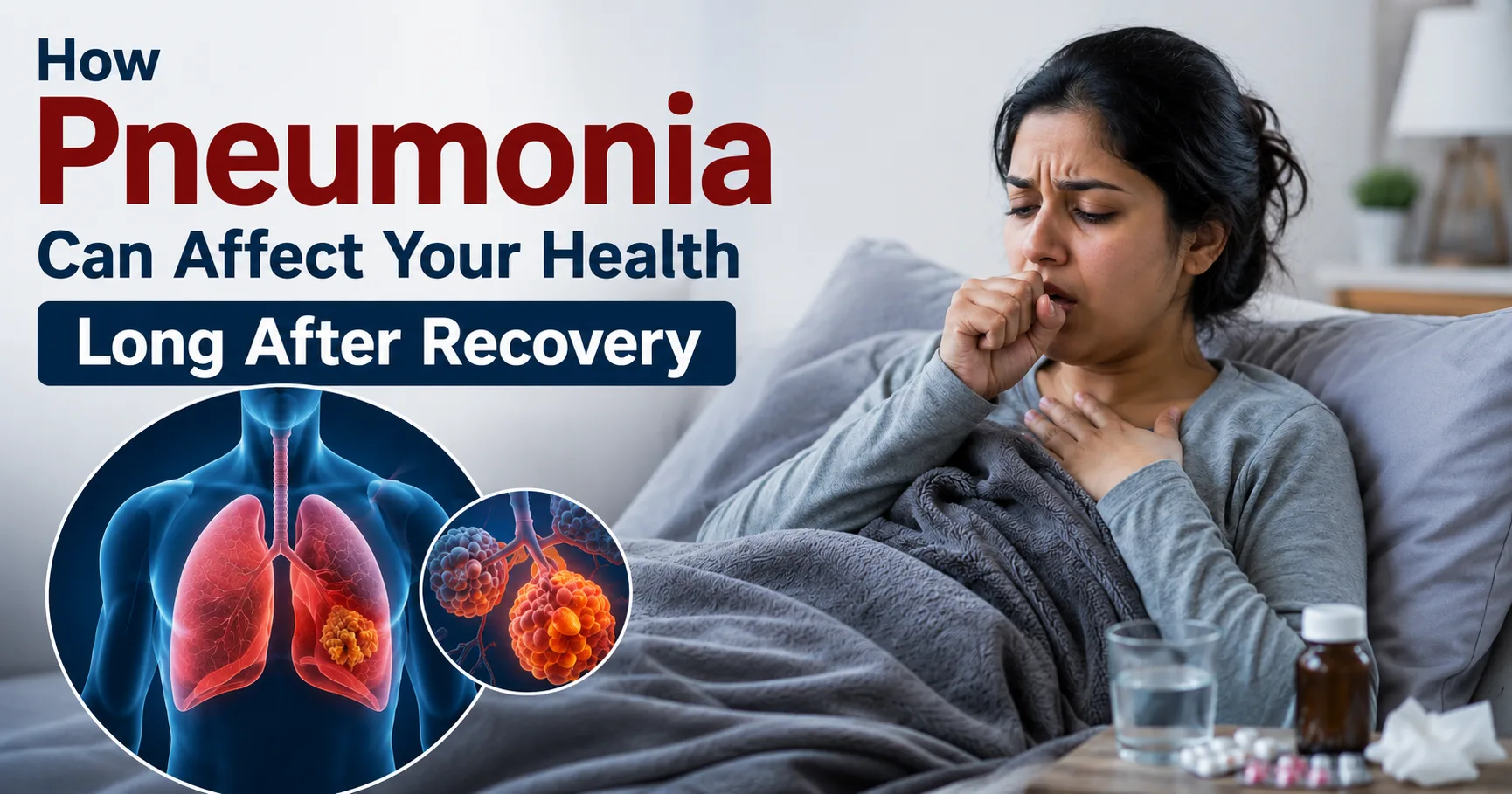
Many assume that once they get through their acute event, they are out of the woods and that their recovery will be seamless; grateful to be exiting the hospital and antibiotic-free, they expect normalcy to return very quickly. For many, however, the effects of pneumonia last far beyond the acute phase; in some cases, they last for months, and in other cases, they may be permanent damage. The lungs, heart, kidneys, and even the brain can be affected by a serious case of pneumonia for long after the infection has been resolved.
Key Takeaways
- Full recovery from pneumonia can take weeks to months, and some patients experience persistent symptoms or reduced lung function long after the acute illness resolves.
- Severe pneumonia is associated with increased risk of cardiovascular events, cognitive changes, and secondary infections in the months that follow.
- Elderly patients, those with pre-existing lung or heart conditions, and immunocompromised individuals are at the highest risk of prolonged or incomplete recovery.
- Vaccination against common bacterial causes of pneumonia remains one of the most effective ways to prevent severe disease and its long-term consequences.
What Pneumonia Is and Why It Damages More Than the Lungs
To know about Pneumonia is an acute inflammatory infection of the lung parenchyma. It can be caused by any type of microorganism. When the infection occurs in the alveoli, they fill with fluid and inflammatory debris; as a result, the available surface area for oxygen transfer is greatly reduced, causing stress on the heart and other organs already strained to compensate for the loss of oxygen.
Pneumonia can also be a potential threat to other parts of the body because the inflammatory response attempting to fight the infection can also extend into the systemic circulation, where it can cause damage to the blood vessels, trigger clotting, and increase stress to any organ that is already close to its limits.
What Causes Pneumonia and How It Varies
There are many types of pneumonia. The way an individual's pneumonia is treated depends on the type they develop. There are also many types of viral infection that can cause viral pneumonia, such as Influenza, respiratory syncytial virus, and SARS-CoV-2.
When a virus causes pneumonia, it can inflame the lung tissue, sometimes leading to acute respiratory distress syndrome.
Common Symptoms During the Acute Phase
The acute presentation of pneumonia typically includes:
- High fever with chills and rigours
- Productive cough with coloured or blood-tinged sputum
- Breathlessness and reduced oxygen levels
- Chest pain that worsens with deep breathing or coughing
- Fatigue and loss of appetite
- Confusion, particularly in elderly patients
Hospitalisation is required for patients with significant oxygen desaturation, rapid breathing, low blood pressure, or altered mental status.
Long-Term Health Effects After Recovery
Many patients who have recovered from pneumonia can expect their recovery to be straightforward. There are a number of potential long-term effects of pneumonia. The following are a few:
Reduced lung function: One long-term effect experienced by many people is lung damage caused by the infection itself. Scarring of the lungs can occur where the infection caused damage, resulting in reduced lung function and exercise capacity, as well as an increased risk of developing pneumonia again.
Cardiovascular complications: There is an increased chance of heart attack, stroke, and abnormal heart rhythms for individuals who have had a severe pneumonia in the weeks to months after hospitalisation.
Cognitive changes: Some people, especially the elderly, may experience memory problems, poor concentration, and declining cognitive abilities in the months after severe pneumonia.
Fatigue and reduced physical capacity: Fatigue, following pneumonia, is real. The period of post-pneumonia fatigue may last for weeks or months, and they lack stamina compared to their pre-illness level.
Secondary infections: There is a higher risk of multiple episodes of pneumonia for persons with lung injury due to an episode of pneumonia. They may experience recurrent pneumonia in the 12 months that follow resolution of the acute illness.
How Recovery Is Monitored
A follow-up chest x-ray should be performed about six weeks after discharge from the hospital to confirm that there are no longer any signs on the x-ray and to rule out the presence of an underlying lung cancer that may have been hiding beneath the pneumonia. Patients with ongoing breathing problems will likely be offered pulmonary function testing.
Prevention Through Vaccination
Vaccination is one of the best ways to lessen the effects of pneumonia. The Primary Pneumococcal Vaccination targets Streptococcus pneumoniae. By receiving the pneumococcal vaccine, you can greatly minimise the risk of developing invasive pneumococcal disease, bacteraemia, or pneumococcal meningitis.
The Prevenar 20 Vaccine is a 20-valent pneumococcal conjugate vaccine that provides protection against 20 serotypes of Streptococcus pneumoniae. Recommended for adults 65 years of age or older, persons with chronic lung, heart, liver diseases, individuals with compromised immune systems and individuals who smoke.
Managing Side Effects and Supporting Recovery
Recovery is enhanced through continued hydration, sufficient protein intake to support immune function and tissue repair, and gradual increases in physical activity as tolerated by breathlessness. If you smoke, stopping is critical because smoking increases your chance of developing pneumonia and can negatively impact your lungs' ability to recover from infection.
Emotional and Mental Health During Recovery
Recovering from severe pneumonia can be very hard psychologically. Patients who require either intensive care or ventilator support sometimes experience post-intensive care syndrome. They often have anxiety about getting a new respiratory illness, fear of another admission to the hospital and become frustrated with taking a long time to recover physically.
What Is Worth Remembering
For many pneumonia patients, the condition of their lungs, heart, and stamina can continue to affect them for months after pneumonia has cleared. Recognising that a long recovery period is normal, attending follow-up appointments, contacting your physician about persistent or new symptoms as soon as possible, and getting vaccinated to help prevent future episodes of pneumonia will all contribute to a better long-term recovery.
Disclaimer: This article is for general informational purposes only and should not be considered medical advice. Always consult a qualified healthcare professional for diagnosis, treatment, vaccination guidance, and follow-up care specific to your condition.