Modern life brings plenty of challenges, from long hours sitting at a desk to the constant pressure of juggling work, family, and personal commitments. As more people search for better ways to maintain their wellbeing, it has become clear that a single treatment or quick fix is rarely enough. Instead, long-lasting health is best supported by collaboration — a mindset that embraces an “our team” approach to wellness.
The Shift Towards Holistic Wellness
Beyond Quick Fixes
For decades, many people turned to short-term remedies for pain and stress relief. Whether it was medication, quick adjustments, or one-off treatments, the focus was on easing discomfort temporarily. While these solutions can provide momentary relief, they often fail to address the underlying causes of stress, muscle tension, or fatigue.
Holistic wellness shifts the focus towards prevention, lifestyle balance, and treating the person as a whole. This perspective highlights the importance of physical health, mental resilience, and emotional wellbeing working together in harmony.
Our Team Approach in Context
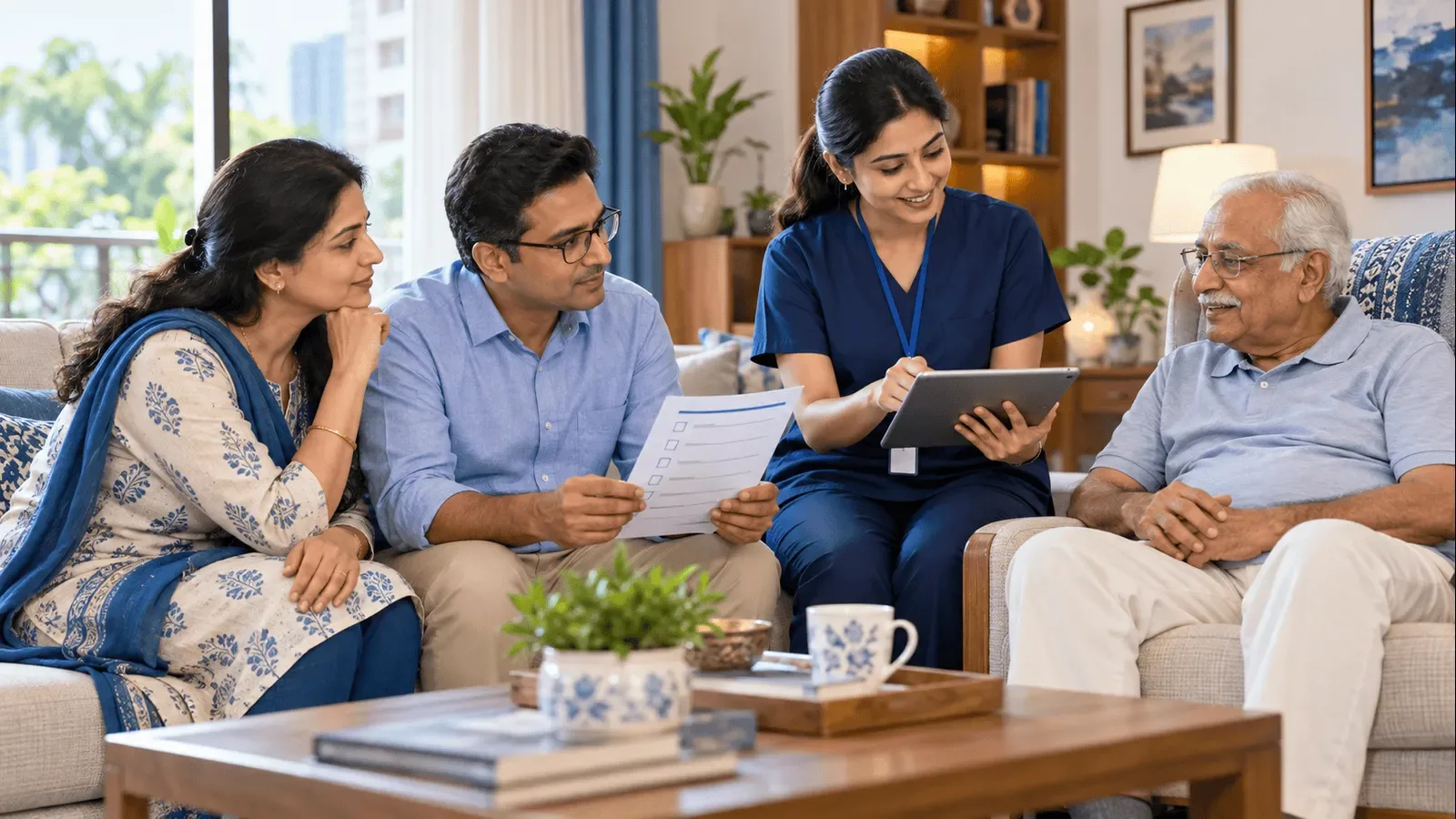
An “our team” approach to wellness recognizes that no single professional has all the answers. Instead, it encourages collaboration between practitioners such as massage therapists, physiotherapists, psychologists, and nutritionists. Each expert contributes unique knowledge and techniques, creating a complete care plan tailored to individual needs.
Massage therapy, in particular, plays a central role in this model. It is widely recognized not only for its ability to relieve physical discomfort but also for its capacity to calm the nervous system, improve circulation, and support mental clarity.
For readers interested in related lifestyle insights, The Omnibuzz has a range of thought-provoking content, such as wellness and mindfulness discussions.
How Collaboration Strengthens the Body
Physical Care with Massage Therapy
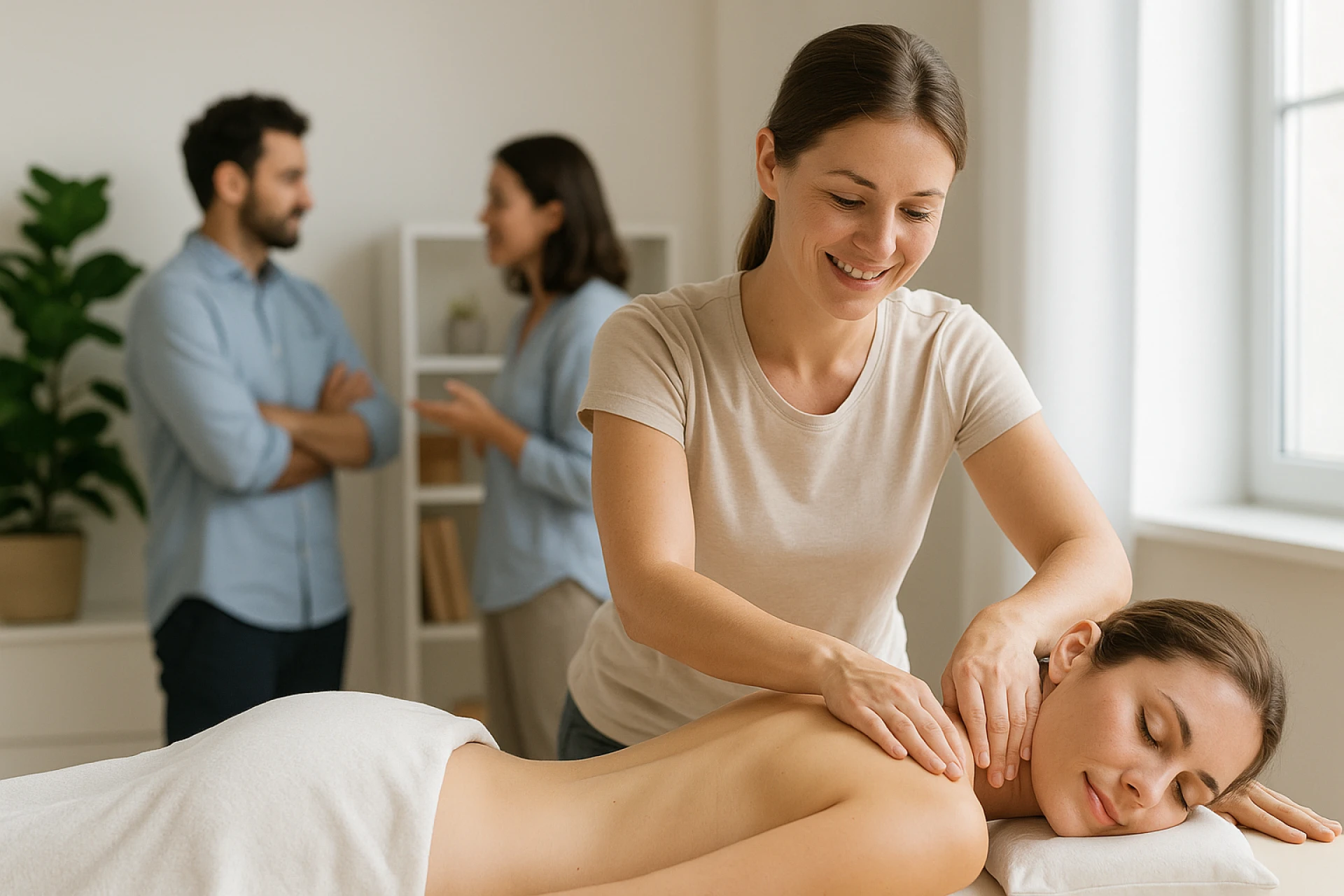
When people think of massage, they often imagine stress relief or relaxation. While both are accurate, massage therapy goes far deeper. It can improve mobility, release chronic muscle tension, enhance posture, and support recovery from injury. For office workers dealing with back pain, athletes managing fatigue, or parents feeling worn out, massage offers tangible benefits.
When combined with input from physiotherapists or exercise specialists, the outcomes are even stronger. For example, while a massage therapist may release tightness in the shoulders, a physiotherapist may suggest strengthening exercises to prevent recurring tension. Together, these complementary strategies build lasting results.
The Power of Shared Expertise
No two bodies are the same, and health challenges vary greatly. That’s where a team-based model shines. With multiple perspectives working together, treatment can be adapted to each person’s unique needs.
If you’re interested in a practical example of this model, you can Explore our team with Next Wave Therapy. Their collaborative approach shows how massage therapists and allied health professionals work side by side to promote long-term wellness.
How Collaboration Strengthens the Mind
Stress Management Through Team Care
The mental benefits of massage are well documented. Massage reduces stress hormones like cortisol while encouraging the release of feel-good chemicals such as serotonin and dopamine. This natural balancing act helps reduce anxiety and encourages restful sleep.
When integrated into a broader care plan — for example, with mindfulness practices or counselling — massage therapy becomes part of a stronger stress management system. Together, the body and mind are given space to reset and recover.
For more perspectives on stress and balance, readers may find value in personal growth articles on The Omnibuzz.
Building Confidence and Trust
Wellness is not just about techniques and treatments; it is also about connection. When someone feels genuinely supported by a team of professionals, trust develops. That trust helps people feel safe, encourages openness about health challenges, and builds confidence in their ability to recover.
This connection between practitioner and client becomes just as healing as the therapy itself. A supportive team environment helps people feel cared for, not simply treated.
Real-Life Benefits of a Team Approach
Everyday People, Everyday Results
The advantages of team-based care are easy to see in everyday scenarios.
- An office worker struggling with chronic back pain may find relief through massage therapy while also receiving ergonomic advice from a physiotherapist.
- A busy parent facing stress and fatigue may benefit from relaxation massage while also learning stress-reduction strategies from a psychologist.
- An athlete preparing for competition may combine deep tissue massage with targeted exercise plans to optimize performance and recovery.
These examples demonstrate how an “our team” approach delivers more comprehensive solutions than isolated treatments.
Why Community Matters
Wellness is not only physical but also social. Being part of a supportive community, whether through professional practitioners or social networks, provides encouragement and accountability. People often find that working with a team helps them stay consistent, committed, and motivated.
Community-based approaches reinforce the idea that health is a shared journey, not a solo effort. This perspective aligns strongly with holistic care models and explains why people increasingly value team-based wellness.
Looking Ahead – Wellness as a Shared Journey
The future of wellness lies in connection and collaboration. With increasing awareness of the links between physical and mental health, more people are embracing integrated approaches. Massage therapy will continue to play a vital role, not only in relieving pain but also in helping individuals feel calmer, more grounded, and more resilient.
When combined with other supportive practices, massage becomes more than just a treatment — it becomes part of a broader lifestyle philosophy. Our team approach to wellness recognizes that healing works best when shared, and that lasting health is built on cooperation, trust, and care.
Conclusion
Wellness is strongest when approached as a team effort. From physical relief through massage therapy to emotional resilience built on trust and connection, the power of collaboration cannot be overstated. By choosing an “our team” model, individuals may achieve better outcomes for both body and mind.