As the demand for sustainable and cost-effective energy solutions rises, many homeowners and businesses are turning to solar energy to power their daily needs. A critical component of these systems is the on-grid tie inverter, a device that plays a vital role in optimizing solar energy usage and significantly reducing electricity bills. Here's how it works and why it's a smart investment.
What Is an On-Grid Tie Inverter?
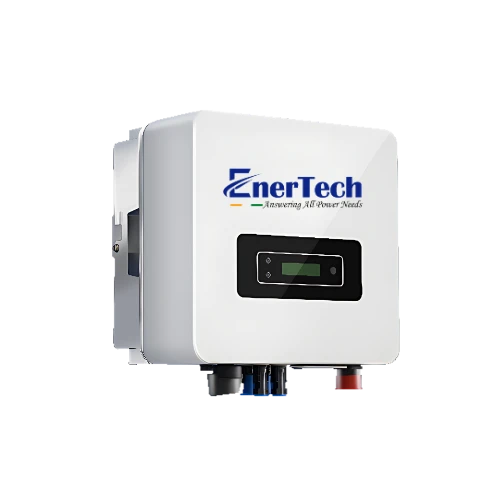
An on-grid tie inverter, also known as a grid-tied inverter, connects your solar power system to the public electricity grid. It converts the direct current (DC) electricity generated by solar panels into alternating current (AC), which is the type of electricity used in homes and businesses. The "tie" to the grid means you can use both solar and conventional electricity seamlessly.
How It Helps Reduce Electricity Bills
1. Maximizes Use of Solar Power
During daylight hours, solar panels generate electricity. The on-grid tie inverter ensures that this solar energy is immediately converted and used to power your appliances. The more you consume from solar power, the less you draw from the utility grid—resulting in lower electricity bills.
2. Excess Energy Is Fed Back to the Grid (Net Metering)
One of the key benefits of on-grid systems is net metering. When your solar panels produce more energy than you use, the excess power is sent back to the grid. Your utility provider then gives you credit for this energy, which offsets your future electricity usage. This can result in a significant reduction in your monthly bill.
3. No Need for Expensive Battery Storage
Unlike off-grid systems that require batteries to store excess power, on-grid tie inverters eliminate that need. Since the grid acts as a virtual storage system, you save money on battery installation and maintenance, making the overall system more cost-efficient.
4. Efficiency and Low Operational Costs
Modern on-grid tie inverters are designed for high efficiency, often reaching conversion rates of over 95%. They require minimal maintenance and have a long lifespan, ensuring years of energy savings without recurring expenses.
Ideal for Urban and Commercial Settings
On-grid systems are especially beneficial in urban areas and for commercial buildings where electricity usage is high and consistent. With stable grid connectivity, these inverters ensure smooth operation and maximum return on investment.
Real Savings Over Time
While the initial cost of a solar system with an on-grid tie inverter may seem significant, the long-term savings are substantial. Most users recover their investment within 3–5 years and continue to enjoy drastically reduced electricity bills for 20+ years.
Final Thoughts
An on-grid tie inverter is more than just a component—it's the bridge between solar energy and tangible savings. Whether you're looking to cut costs, increase energy independence, or support a greener future, installing an on-grid solar system is a smart and financially sound choice.