Heart disease is one of the leading causes of death worldwide. Yet many of its risk factors—like high LDL ("bad" cholesterol), low HDL ("good" cholesterol), chronic inflammation, or high triglycerides—often show no symptoms in the early stages.
That's why regular heart health screening and cholesterol testing is essential—not just for people with existing conditions or family history, but for everyone. And thanks to at-home lipid panel kits, it is now easier to do that.
But that big question is: how often should you be testing your heart health?
Let's discuss it!
What Does "Heart Health" Mean?
When we talk about heart health, we have to look over various things. The heart is a complex organ, and heart health involves several measurable factors:
- Heart rate (pulse)
- Blood pressure
- Cholesterol levels
- Blood oxygen levels (SpO2)
- Heart rhythm (checking for irregularities like arrhythmias)
- Body weight and BMI
You don't need to check every single one of these daily—but some are worth monitoring regularly, especially if you have a family history of heart disease or other risk factors like diabetes, high blood pressure, or obesity.
How Often Should You Monitor Key Heart Health Indicators?
1. Heart Rate (Resting Pulse)
Recommended Frequency: 3–4 times per week (or daily if you're tracking fitness or under doctor's advice)
Your resting heart rate is a solid window into your heart's overall condition. For most adults, a normal resting heart rate ranges between 60 and 100 beats per minute. Athletes or very fit individuals may have lower rates, sometimes in the 40s or 50s.
You can use a smartwatch or fitness tracker or even just count your pulse for 30 seconds and multiply by two. If your resting heart rate is consistently too high (above 100 bpm) or too low (below 50 bpm without being an athlete), check in with a healthcare provider.
2. Blood Pressure
Recommended Frequency:
- Healthy adults: once every 1–2 weeks
- At-risk individuals (high BP, diabetes, age 50+): several times per week or as directed by your doctor
High blood pressure (hypertension) is often called the "silent killer" because it usually has no symptoms—but it damages your arteries and heart over time. Home blood pressure monitors are widely available and easy to use.
Target range:
- Normal: Under 120/80 mmHg
- Elevated: 120–129 / under 80
- High: 130+/80+
Take readings at the same time each day (ideally morning and evening) while seated and relaxed.
3. Blood Oxygen Level (SpO2)
Recommended Frequency:
- Generally healthy individuals: occasional checks
- With lung or heart conditions: daily or as needed during symptoms
This is especially helpful if you have heart disease, sleep apnea, or lung issues. A normal SpO2 level is 95–100%. If it dips below 92% repeatedly, it's worth consulting your doctor.
Many smartwatches and pulse oximeters make this super simple—just slip the device on and check.
4. Heart Rhythm (for Irregularities like AFib)
Recommended Frequency:
- Healthy adults: monthly or during symptoms
- With known arrhythmia or risk factors: as often as recommended by your cardiologist
Smartwatches with ECG features (like the Apple Watch or Fitbit Sense) can detect irregular rhythms that might indicate atrial fibrillation (AFib), a common but serious condition. These gadgets are not replacements for clinical ECGs, but they can serve as early warnings.
5. Cholesterol Testing
Recommended Frequency:
- Healthy adults: Every 4 to 6 years.
- Children: First test between ages 9 and 11, and then again between 17 and 21.
- Individuals with risk factors: More frequent testing is advised, potentially every 1 to 2 years.
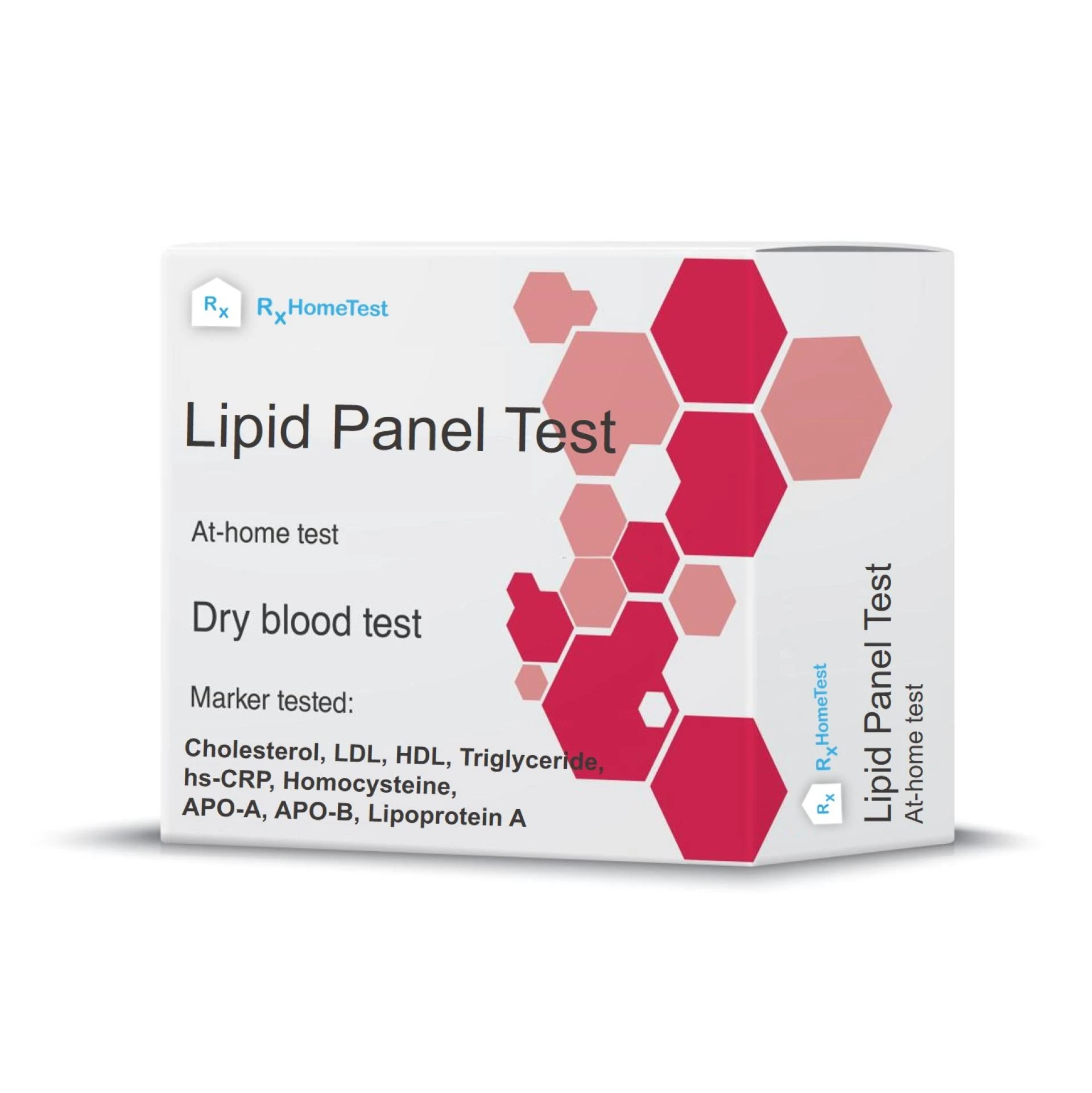
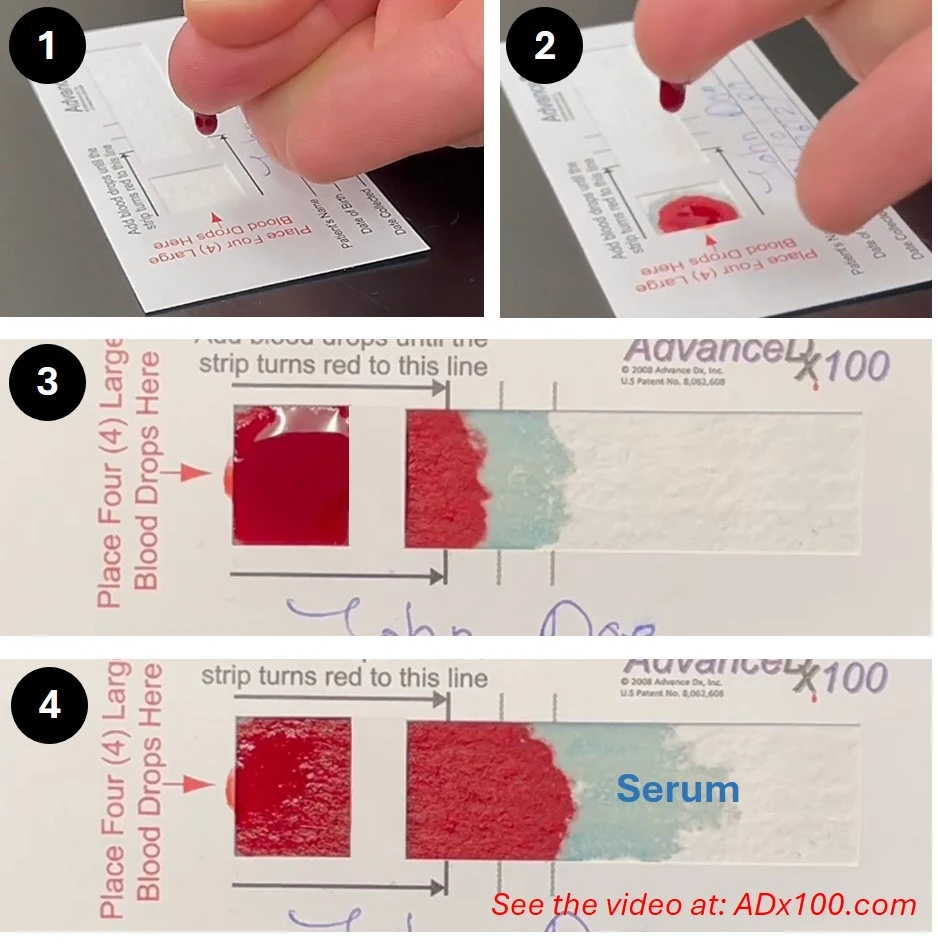
To check your cholesterol levels, you can get some at-home testing kits like those offered by RxHomeTest, which includes a detailed review by a certified physician. Unlike a basic cholesterol test, RxHomeTest's lipid panel test offers detailed results. Here's what it checks:
- LDL (Low-Density Lipoprotein)
- HDL (High-Density Lipoprotein)
- TRIG (Triglycerides)
- CHOL (Total Cholesterol)
- HCY (Homocysteine)
- HSCRP (High-Sensitivity C-Reactive Protein)
- APOA & APOB
- LPA (Lipoprotein a)
Moreover, the test is processed by CLIA-certified labs and covers HSA/FSA eligibility, ensuring the same high standards used in clinics across the U.S. To order it with FREE two-way shipping, visit the official website.
Who Should Monitor More Often?
Some people need to monitor heart health more closely. You should consider testing more frequently if you:
- Have high blood pressure, diabetes, or high cholesterol
- Have a family history of heart disease
- Are over 50
- Smoke or used to smoke
- Are significantly overweight or obese
- Have been diagnosed with a heart condition
Final Thoughts
Monitoring your heart health at home is about becoming aware of your heart health. A few minutes a week can help you catch issues early, stay on top of your wellness goals, and bring more peace of mind.
You don't need a drawer full of gadgets—just a few simple tools, at-home test kits, and a bit of consistency. Also, don't forget to check other essential factors for heart health, such as BMI and body weight. Your heart works hard for you every single day. Keep it in check!