
Introduction
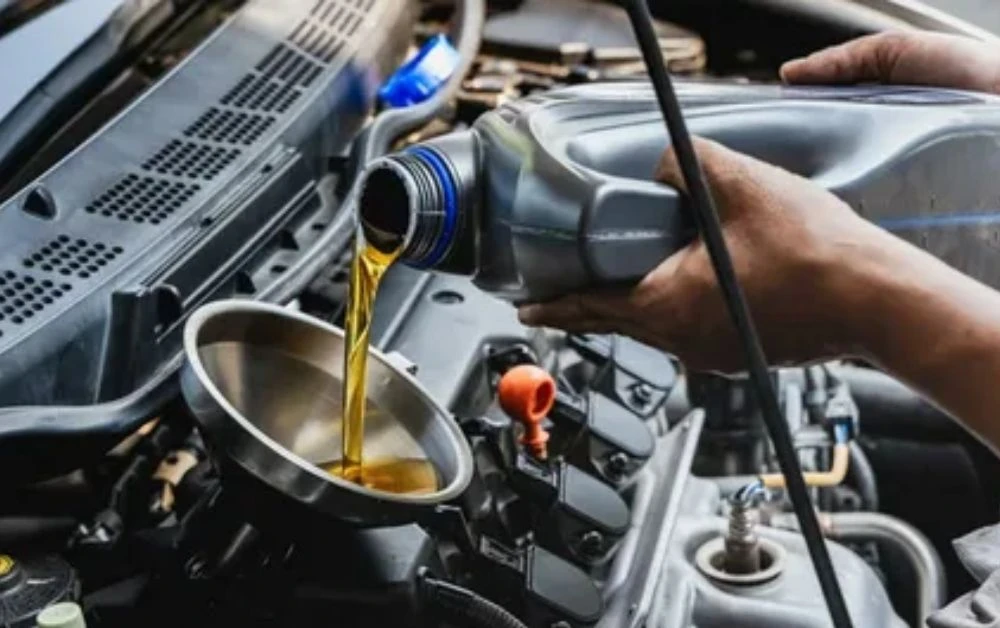
Your car’s performance depends a lot on how well you take care of it, especially the engine. One of the most important maintenance tasks every car owner should remember is an Engine Oil Change. The engine oil keeps the parts running smoothly, reduces friction, and prevents overheating. But the big question is—how often should you change it? Knowing the right time can save you from costly repairs and keep your vehicle performing at its best.
Why Engine Oil Needs Regular Changing
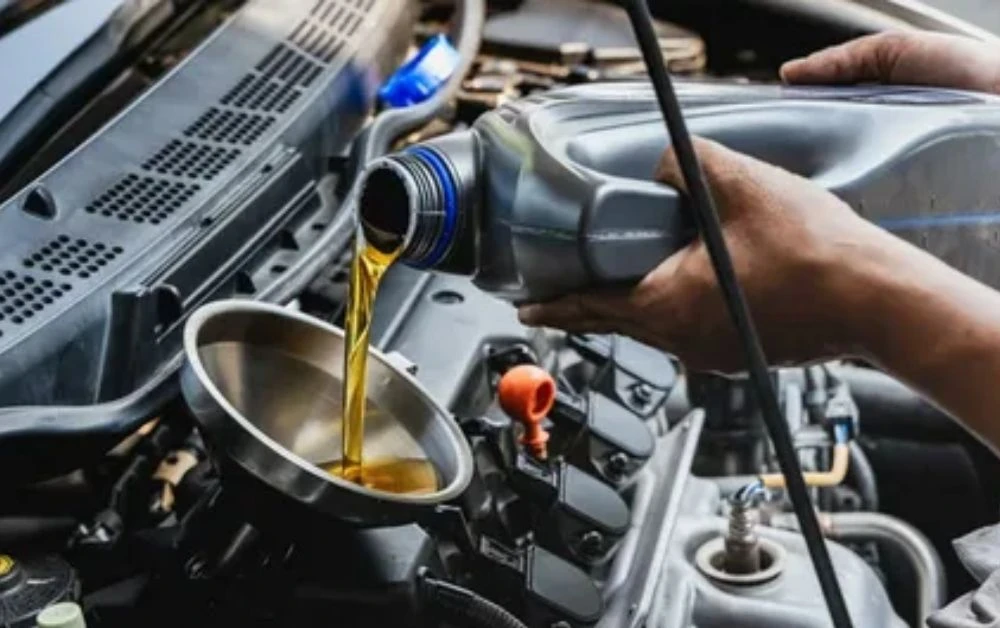
Engine oil acts like the lifeblood of your vehicle. Over time, it breaks down and loses its ability to lubricate engine components properly. Dirt, dust, and metal particles also mix with the oil, making it less effective. This buildup can lead to increased engine wear, reduced fuel efficiency, and eventually engine damage if ignored for too long.
Regular oil changes help in removing these impurities and keeping the engine clean. It also helps in better mileage and smoother performance. Simply put, changing the oil at the right intervals keeps your car healthy and your driving experience stress-free.
Factors That Affect Oil Change Frequency
There isn’t a one-size-fits-all answer to how often oil should be changed. The frequency depends on a few important factors:
- Type of Vehicle and Engine:
- Each car manufacturer provides a recommended oil change interval based on the type of engine. Modern engines and synthetic oils often allow longer gaps between oil changes compared to older models.
- Driving Habits:
- If you drive in heavy traffic often, take short trips, or idle for long periods, your oil may wear out faster. Long highway drives are less stressful on the engine, so the oil lasts longer.
- Oil Type:
- Conventional oil usually needs to be replaced every 5,000 to 6,000 kilometers, while synthetic oil can last up to 10,000 or even 12,000 kilometers. Always check your car’s manual for the recommended type.
- Weather Conditions:
- Extreme heat or cold affects the oil’s consistency. In hot regions, oil tends to break down faster, while in cold areas it may thicken, reducing its flow.
Signs That It’s Time for an Oil Change
Sometimes, your car gives you clear signs that it’s time for maintenance. Be alert for the following:
- The engine oil looks dark or dirty on the dipstick.
- You hear strange knocking or rumbling noises from the engine.
- The oil change or check engine light comes on.
- Your car feels sluggish or less responsive.
- You notice an oil smell inside the vehicle.
Ignoring these signs could lead to serious mechanical issues. Regular checks can prevent big problems and costly repairs later.
Benefits of Changing Oil on Time
Timely oil changes do more than just protect your engine. They also:
- Extend the lifespan of your vehicle.
- Improve fuel efficiency.
- Reduce engine noise and vibrations.
- Maintain your car’s resale value.
- Prevent costly engine breakdowns.
A simple maintenance routine can go a long way in keeping your car dependable and efficient.
Note:- We Fix Auto Service has been delivering trusted car mechanic Dubai services for over 10 years, covering all major car brands across the UAE. We offer engine repair, brake service, AC repair, battery replacement, oil change, suspension work, and full car diagnostics—all at fair prices with quality you can rely on.
Conclusion
Changing your car’s oil on time is one of the easiest yet most important steps to keep your vehicle in great condition. Whether you drive daily or occasionally, make it a habit to check your oil level and quality. Following the manufacturer’s recommendation and watching for warning signs ensures your engine stays strong for years. Regular care today means fewer problems tomorrow—so don’t delay your next oil change.