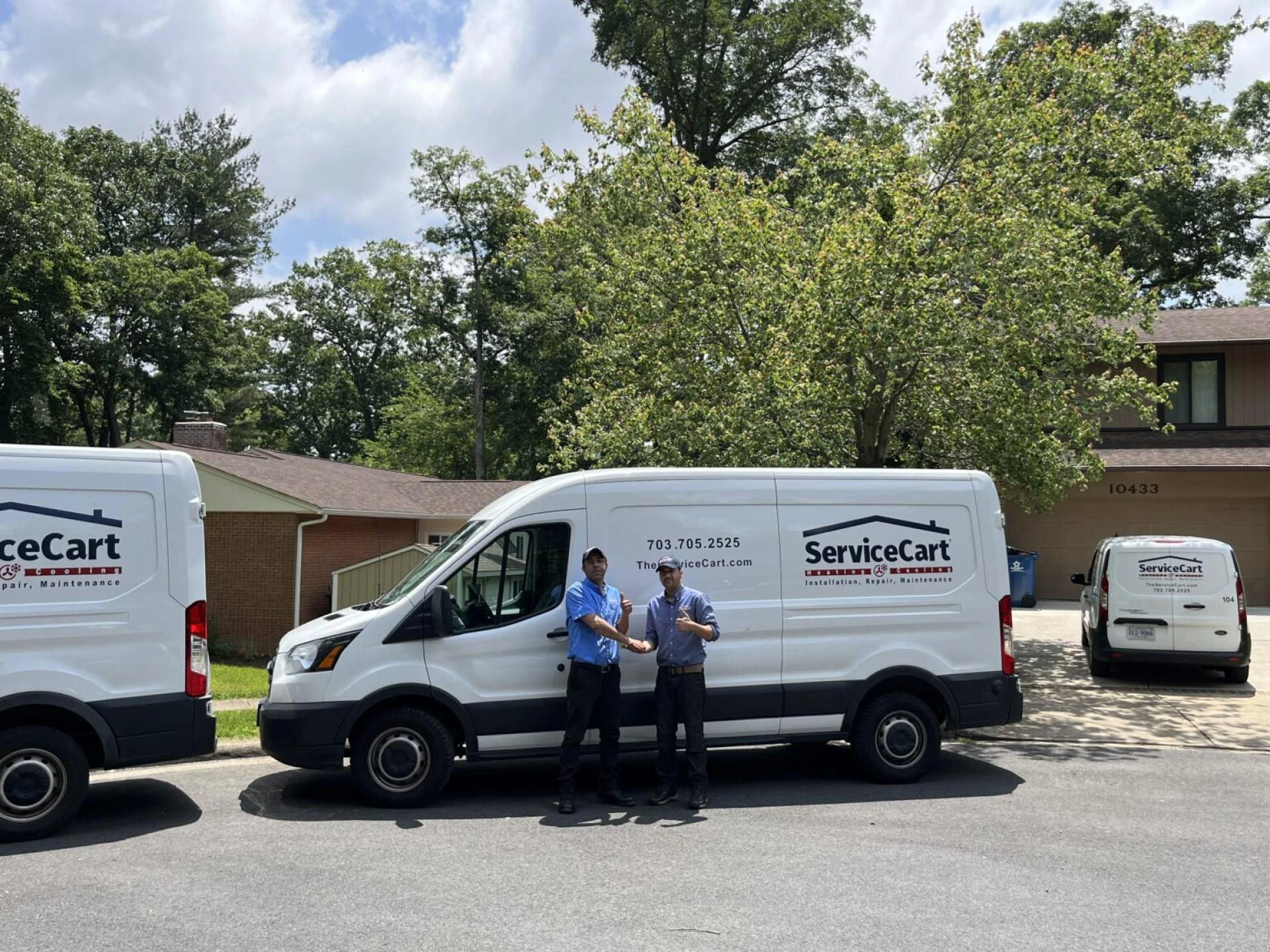
This post will discuss HVAC repair, heating and cooling companies, signs that you might need HVAC repair, and other relevant subjects.
One of the most important components of your house is your HVAC system. It provides year-round comfort, keeping you warm in the winter and cool in the summer. But like any system, it needs occasional repairs and routine attention to work its best. HVAC Repair Prince William County VA, helps prevent unplanned malfunctions and guarantees that your heating and cooling system remains dependable and effective.
The General Rule of Thumb
Most professionals recommend having your HVAC system inspected at least once a year. However, repairs should be done as needed, depending on how often the system runs, the unit's age, and environmental factors. For homes in areas with extreme temperatures, your HVAC might need more frequent servicing. Staying ahead of repairs can help extend the system's life and save you money on emergency calls later.
What an HVAC Company Looks For During Inspections
A reliable HVAC company doesn't just fix what's broken—they look at the entire system. Annual inspections often include checking your thermostat, tightening connections, cleaning coils, inspecting ductwork, and testing airflow. If they find signs of wear or inefficiency, they suggest repairs before minor issues become costly. This proactive strategy ensures that your system functions properly all year round.
Signs That You Might Need HVAC Repair Sooner
Even if you follow a yearly maintenance routine, problems can still pop up. You may steer clear of more serious headaches by being mindful of the early warning signals. If you notice any of these, call an HVAC company right away:
- Strange Noises: Banging, rattling, or grinding sounds can signal a failing part or loose connection.
- Uneven Heating or Cooling: Hot or cold spots in your home could indicate airflow or duct issues.
- High Energy Bills: Your HVAC system may be having problems if your bill suddenly increases.
- Frequent Cycling: The system could require urgent care if it keeps turning on and off.
How Heating and Cooling Companies Help Prevent Repairs
Heating and Cooling Companies Prince William County don't just handle breakdowns—they also help prevent them. Many offer service plans that include seasonal checkups and tune-ups. These plans can help identify worn parts, dirty filters, or refrigerant leaks early on. Catching these minor problems before they escalate reduces the need for significant repairs and avoids uncomfortable surprises during extreme temperatures.
Benefits of Regular HVAC Maintenance and Repair
Routine HVAC repair and maintenance bring more than just peace of mind. Keeping your system in good shape has long-term benefits that affect your wallet, comfort, and indoor air quality. Here's why regular care matters:
- Increased efficiency: Clean filters and tuned systems use less energy.
- Longer equipment life: Addressing minor issues prevents significant wear and tear.
- Better air quality: Clean coils and ducts reduce dust and allergens in your home.
- Fewer emergency calls: Preventative care lowers your risk of sudden system failure.
When Should You Schedule Repairs for Heating and Cooling Systems?
While repairs should be made as soon as problems arise, seasonal checkups are ideal. Spring is the best time for cooling system inspections, while fall is ideal for heating systems. These ensure that your HVAC is ready for the demands of the upcoming season and give you time to fix any problems before you need heating or cooling in full force.
Typical HVAC Repair Issues by Season
Your HVAC system faces numerous obstacles throughout the year. You can keep prepared by being aware of what tends to break down and when.
- Spring/Summer Issues: AC refrigerant leaks, clogged condensate drains, and dirty evaporator coils are common.
- Fall/Winter Problems: Furnace ignition failures, blower motor issues, and thermostat malfunctions often pop up in cold months.
- Year-Round Concerns: Airflow problems, thermostat errors, and duct leaks can happen anytime.
How Often Should Older HVAC Systems Be Repaired?
If your HVAC system is over 10–15 years old, it may need repairs more frequently. Older systems naturally lose efficiency and are more prone to component failure. In some cases, the cost of regular repairs might outweigh the benefits, and a replacement may be more economical. An experienced HVAC company can guide you on whether continued repairs or a complete upgrade makes more sense.
Choosing the Right HVAC Company for Repairs
Picking the right HVAC company is just as important as scheduling regular service. A qualified company will have licensed technicians, transparent pricing, and excellent customer reviews. HVAC Company Fairfax County offers accurate assessments and won't pressure you into unnecessary repairs. Whether a one-time fix or a long-term maintenance relationship, a reliable provider helps you get the best performance from your system.
Things to Consider Before Selecting a Heating and Cooling Firm
- Before letting anyone work on your HVAC system, it's a good idea to ask a few key questions:
- Are you licensed and insured? Protect yourself from liability and poor workmanship.
- What's included in your maintenance or repair service? Know what you're paying for.
- Do you offer emergency services? Breakdowns don't wait for business hours.
- Can you provide a detailed estimate? Transparent pricing prevents surprises.
Cost of HVAC Repairs: What to Expect
HVAC repair costs vary depending on the problem. Minor issues like replacing a thermostat or capacitor may cost under $200. More extensive repairs can range between $300 and $1,500. A service agreement with a heating and cooling company may reduce these costs and offer priority scheduling when something goes wrong.
Preventing Costly Repairs with Seasonal Maintenance
A little maintenance goes a long way. Costly problems may be avoided with easy fixes like routinely changing your air filters, cleaning your vents, and planning seasonal inspections. Most heating and cooling companies also offer inspection packages that include these basics and more advanced checks, helping catch problems early before they snowball into more significant expenses.
How Long Should an HVAC System Last?
An HVAC system that is properly maintained may survive for at least 15 to 20 years. However, the key is consistent care. Systems without routine maintenance often fail early and require more frequent repairs. A partnership with a trusted HVAC company ensures your system gets the attention it needs to perform well throughout its lifespan.