
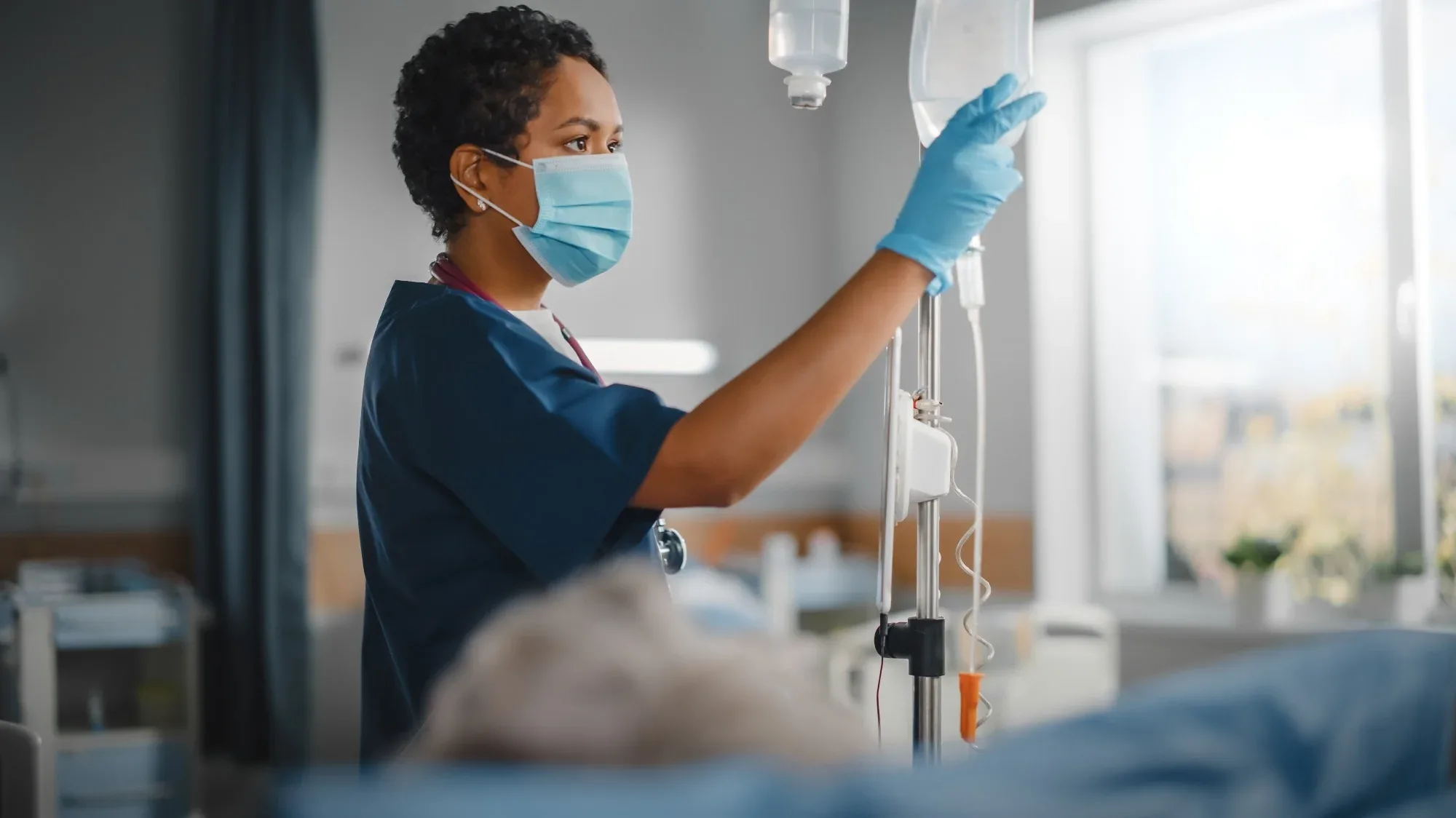
Enrolled Nurses in Adelaide are an important part of healthcare teams, working alongside registered nurses and other professionals to provide safe, coordinated and patient-centred care. Nursing teams divide responsibilities according to each professional’s qualifications, scope of practice, competence and the needs of the people receiving care. Understanding how these responsibilities are shared can help patients, families and healthcare providers recognise how different nursing roles contribute to effective care.
In Australia, enrolled nurses (ENs) and registered nurses (RNs) have distinct professional responsibilities. ENs provide nursing care under direct or indirect supervision of an RN, while RNs have broader responsibilities for assessment, care planning, coordination, delegation and evaluation of nursing care.
Why Are Nursing Responsibilities Divided?
Patient care involves many different activities, from monitoring vital signs and assisting with daily needs to assessing health conditions and developing care plans. Dividing responsibilities allows healthcare teams to use the skills and knowledge of each professional effectively.
Responsibilities may be influenced by:
- Professional registration
- Education and qualifications
- Individual competence
- Scope of practice
- Patient needs
- Workplace policies
- Level of supervision required
This approach helps ensure that healthcare professionals perform activities they are appropriately educated, competent and authorised to undertake.
The Role of Registered Nurses
Registered nurses have a central role in assessing patients and coordinating nursing care. Their professional standards include comprehensive assessment, developing nursing plans, providing safe care and evaluating outcomes.
Depending on their role and workplace, RNs may:
- Conduct patient assessments
- Identify nursing care requirements
- Develop and review care plans
- Monitor patient progress
- Provide clinical care
- Administer and monitor medications within their scope
- Coordinate care with other professionals
- Educate patients and families
- Delegate appropriate activities
- Provide direction and supervision to ENs
The RN's responsibilities can vary according to their practice setting and individual scope.
The Role of Enrolled Nurses
Understanding the duties of enrolled nurse professionals is equally important when looking at how nursing teams divide their work.
ENs provide nursing care under the direct or indirect supervision of an RN. They remain accountable for their own practice and for the care they provide within their scope.
The duties of enrolled nurse professionals may include:
- Monitoring and recording patient observations
- Supporting personal care
- Assisting with mobility
- Providing appropriate nursing care
- Supporting nutrition and hydration
- Maintaining patient documentation
- Reporting changes in a patient's condition
- Supporting medication-related activities when appropriately educated and authorised
The exact responsibilities of an EN depend on their competence, education, workplace requirements and the individual patient's needs.
How RNs and ENs Work Together
RNs and ENs often work closely during a patient's care journey. Their responsibilities are different, but their work is connected.
For example, an RN may assess a patient's condition, develop a nursing care plan and determine which activities can appropriately be delegated. An EN may then provide delegated care within their scope and report relevant observations to the RN.
The RN has responsibility for appropriate delegation and supervision, while the EN remains accountable for their own practice.
This relationship creates a structured approach to patient care and encourages communication between members of the nursing team.
The Importance of Delegation
Delegation is an important part of nursing teamwork. It involves assigning an appropriate activity to another healthcare professional while considering their skills, competence and scope of practice.
Registered nurses are expected to delegate appropriately and provide effective direction and supervision to ensure delegated practice is safe and correct.
Delegation does not mean that every task can automatically be transferred from an RN to an EN. The activity must be appropriate for the EN and consistent with their education, competence, scope of practice and the patient's needs.
Monitoring and Reporting Patient Changes
One of the most important ways nursing professionals work together is through observation and communication.
ENs may spend considerable time providing direct care. During this time, they may notice changes in a patient's:
- Physical condition
- Mobility
- Appetite
- Behaviour
- Comfort
- Vital signs
- General wellbeing
These observations can be communicated to the RN so that the patient's condition can be assessed and appropriate action considered.
Timely communication helps the healthcare team respond to changes and maintain continuity of care.
Supporting Patient-Centred Care
Dividing responsibilities does not mean separating patient care into isolated tasks. Nursing teams need to work together around the individual needs and preferences of each patient.
Patient-centred care involves respecting dignity, communication preferences, values and individual circumstances. Nurses should also involve patients in appropriate discussions about their care and support informed decision-making.
Both RNs and ENs contribute to this approach through their interactions with patients and families.
How Responsibilities Differ Across Healthcare Settings
The way nursing responsibilities are divided can vary between healthcare environments.
Hospitals
Hospital nursing teams may care for patients with acute illnesses, injuries or complex healthcare needs. RNs may coordinate assessments and care plans, while ENs provide appropriate direct nursing care within their scope.
Aged Care
In aged care, nursing teams may support residents with chronic health conditions, medication needs, mobility concerns and ongoing care requirements.
ENs can provide valuable day-to-day care and observations, while RNs may manage assessments, care planning and more complex clinical responsibilities.
Community Care
Community nursing involves providing care outside traditional hospital environments. Nurses may support people in their homes or community settings.
Clear communication is especially important because professionals may work with patients in different locations and coordinate care with families and other healthcare providers.
Rehabilitation
In rehabilitation settings, nursing professionals may support patients recovering from illness, injury or surgery. Care can involve monitoring progress, assisting with daily activities and working with other healthcare professionals.
The Importance of Communication
Good communication is essential when responsibilities are shared between nursing professionals.
Effective communication includes:
- Accurate handovers
- Clear documentation
- Reporting changes promptly
- Discussing patient concerns
- Confirming delegated responsibilities
- Asking for clarification when required
Poor communication can create confusion, while clear communication supports continuity and safer care.
Supporting Different Levels of Nursing Experience
Nursing teams may include professionals with different levels of experience and areas of expertise. Responsibilities should be assigned according to competence rather than simply workload.
A newly qualified nurse may require different levels of support from an experienced professional. Similarly, a nurse working in an unfamiliar clinical area may need additional guidance.
Supervision arrangements should consider the complexity of the care, the needs of the patient and the competence of the nurse involved.
The Role of Nursing Agencies in Team Staffing
Healthcare facilities may experience changing workforce requirements because of staff leave, unexpected absences, increased demand or changing patient needs.
A nursing agency can help facilities access qualified professionals to support their staffing requirements. Enrolled Nurses in Adelaide may work in different healthcare environments depending on their qualifications, experience, scope and availability.
When agency nurses join an existing team, clear communication about responsibilities, supervision and workplace procedures is important. This helps integrate additional professionals into the care team while maintaining consistent standards.
Building an Effective Nursing Team
An effective nursing team requires more than having enough staff. Professionals need to understand their responsibilities and communicate effectively with one another.
Healthcare providers can support effective teamwork by ensuring:
- Roles are clearly defined
- Staff qualifications are appropriately verified
- Delegation arrangements are understood
- Supervision is available
- Patient information is communicated accurately
- Staff work within their scope of practice
These practices help create a coordinated environment where each professional can contribute effectively.
Why Every Nursing Role Matters
Every member of a nursing team contributes to patient care. ENs provide valuable direct care and observations, while RNs contribute broader clinical assessment, planning, coordination and evaluation.
The duties of enrolled nurse professionals are therefore an important part of the wider nursing process rather than a separate set of tasks.
When ENs, RNs and other healthcare professionals work together effectively, patients can receive more coordinated and consistent support.
Final Thoughts
Nursing teams divide responsibilities according to professional roles, qualifications, competence, scope of practice and patient needs. Registered nurses generally have broader responsibilities for assessment, planning, coordination and evaluation, while enrolled nurses provide nursing care under appropriate RN supervision.
Understanding the role of Enrolled Nurses in Adelaide helps healthcare facilities, patients and aspiring nurses appreciate how ENs contribute to the wider healthcare team.
The duties of enrolled nurse professionals can include direct patient care, monitoring, documentation and reporting changes in condition. When these responsibilities are combined with effective RN leadership, appropriate delegation and clear communication, nursing teams can work together to support safe and consistent patient care.
FAQs
1. What are the main duties of an enrolled nurse?
The duties of enrolled nurse professionals can include monitoring patients, assisting with personal care, supporting mobility, providing appropriate nursing care, maintaining documentation and reporting changes in a patient's condition.
2. How do enrolled nurses and registered nurses work together?
Registered nurses generally assess patients, develop care plans and coordinate nursing care. Enrolled nurses provide care within their scope under direct or indirect RN supervision and communicate relevant observations to the nursing team.
3. Can enrolled nurses work without a registered nurse?
ENs must have access to direct or indirect supervision by an RN. The appropriate level of supervision depends on the care setting, patient needs, the activity being undertaken and the EN's competence.
4. Where can Enrolled Nurses in Adelaide work?
Enrolled Nurses in Adelaide may work across healthcare environments such as hospitals, aged care, community care, rehabilitation and other services, depending on their qualifications, registration, competence and scope of practice.