Wound exudate is a natural part of the healing process, but the amount produced can vary considerably from one wound to another. Some wounds may produce very little fluid, while others can produce enough to require frequent dressing changes and careful management.
Understanding how much exudate a wound is producing can help healthcare professionals and carers make more informed decisions about wound care. It can also help determine whether the current dressing remains suitable as the wound changes.
What Is Wound Exudate?
Exudate is fluid released from a wound during the inflammatory and healing processes. It can contain water, proteins, cells and other substances involved in the body's response to tissue damage.
A small amount of exudate can be a normal part of healing. The concern is not simply that fluid is present, but whether the amount and characteristics are appropriate for the wound and its stage of healing.
The appearance and quantity of exudate can change over time. For this reason, wound assessment should consider more than just how much fluid is visible on a dressing.
Why Does the Amount of Exudate Matter?
The amount of fluid produced can affect the type of dressing required. A wound with minimal exudate may only need a dressing that provides protection and maintains an appropriate environment, whereas a heavily exuding wound may require greater absorption.
If a dressing cannot manage the amount of fluid being produced, it may become saturated. This can allow moisture to reach the surrounding skin and may make the dressing less effective at protecting the wound.
At the other end of the scale, using an unnecessarily absorbent dressing on a wound producing very little fluid may not provide the most appropriate solution. Dressing selection should therefore be matched to the actual needs of the wound.
What Are Low, Moderate and Heavy Levels of Exudate?
There is no single measurement that can be applied to every wound in everyday care. Healthcare professionals commonly consider the amount of fluid present on the wound and dressing, as well as how quickly the dressing becomes wet.
Low Exudate
A lightly exuding wound produces only a small amount of fluid. The dressing may remain mostly dry, with limited moisture visible on the wound surface or dressing.
For these wounds, a simple protective dressing may be appropriate depending on the wound type and clinical assessment. The priority is to protect the wound without using more absorption than is necessary.
Moderate Exudate
A moderately exuding wound produces more noticeable fluid. The dressing may become damp over time and may need to be changed according to the wound's condition and the product's intended use.
A dressing with suitable absorbency can help manage this moisture while protecting the wound and surrounding skin.
Heavy Exudate
A heavily exuding wound produces a significant amount of fluid, which may cause the dressing to become saturated more quickly.
These wounds require closer attention because excess moisture can affect the surrounding skin and make wound management more difficult. A more absorbent dressing may be required, and the underlying reason for the high level of exudate should be considered by an appropriate healthcare professional.
Does Exudate Always Mean Something Is Wrong?
Not necessarily. Exudate can be a normal component of wound healing. However, a sudden increase in fluid, a change in colour or consistency, an unpleasant smell, increasing pain or other changes in the wound should not simply be ignored.
Changes in exudate may be associated with changes in the wound or surrounding tissue. Where there are concerns about healing or possible infection, professional assessment is important.
This is particularly relevant when caring for wounds over an extended period in hospitals, nursing homes, community settings or at home.
How Does Exudate Affect Dressing Choice?
The amount of exudate is one of several factors that should be considered when choosing dressings.
A lightly exuding wound may need a dressing with limited absorption, while a wound producing more fluid may benefit from a product designed to handle greater moisture. The condition of the wound, surrounding skin and frequency of dressing changes should also be considered.
The aim is not simply to absorb as much fluid as possible. Rather, the dressing should help manage the wound environment appropriately while protecting the surrounding skin.
For some wounds, a non-adherent dressing may also be considered where minimising disruption during dressing changes is important. In other circumstances, an antimicrobial product such as an Inadine dressing may be selected as part of an appropriate wound-care plan.
Monitor Changes Over Time
Exudate levels are not necessarily fixed throughout the healing process. A wound may produce more fluid during one stage and less as healing progresses.
This means that dressing selection should be reviewed when the wound changes. A product that worked well initially may no longer provide the same level of absorption or protection later.
Regular assessment can help identify when the wound-care approach needs to be reconsidered.
What Should You Do If Exudate Increases?
If a wound suddenly begins producing considerably more fluid, becomes increasingly painful, develops an unpleasant odour or changes noticeably in appearance, it is sensible to seek advice from an appropriate healthcare professional.
Simply changing to a more absorbent dressing may not address the underlying reason for the change.
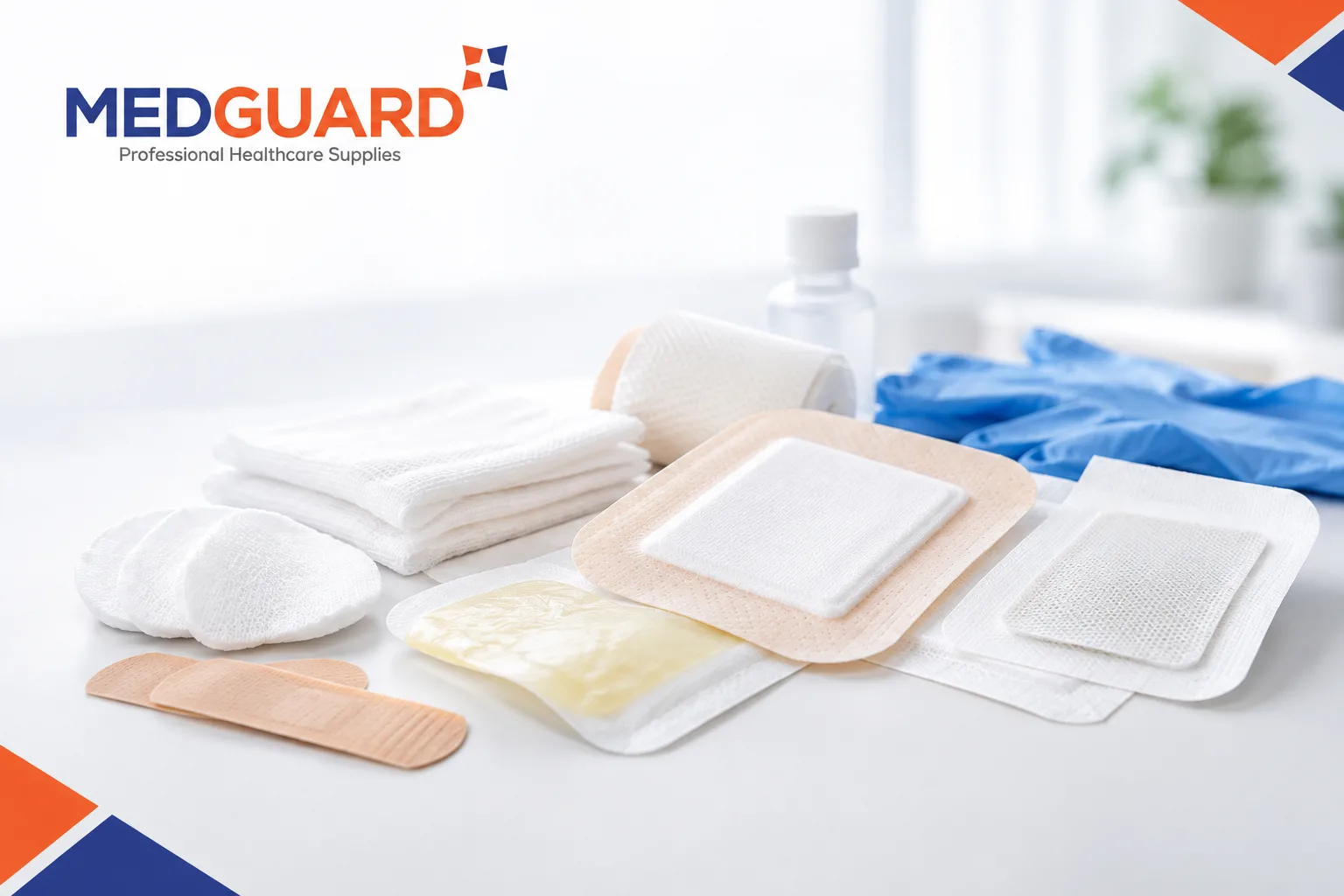
For minor wounds that are healing normally, keeping suitable wound-care supplies available can be useful. A first aid dressing kit can help with basic injuries, although more complex or deteriorating wounds require appropriate clinical assessment.
Choosing the Right Dressing for Exudate
Managing wound exudate is an important part of dressing selection, but it should never be considered in isolation. Wound type, tissue condition, surrounding skin, comfort and the stage of healing all have a role.
For healthcare professionals and carers in Ireland, having access to a broad range of wound-care products can make it easier to select a suitable option as wound needs change.
Medguard Healthcare supplies medical products for healthcare professionals, carers and home-care users across Ireland, including a range of wound-care supplies.
Understanding the amount of exudate a wound produces can therefore be a useful starting point when reviewing dressing choice. When the level of fluid changes, the dressing may need to change with it, ensuring wound care remains appropriate as healing progresses.
Original Source : https://www.mednuc.net/why-does-wound-exudate-matter-when-choosing-a-dressing/