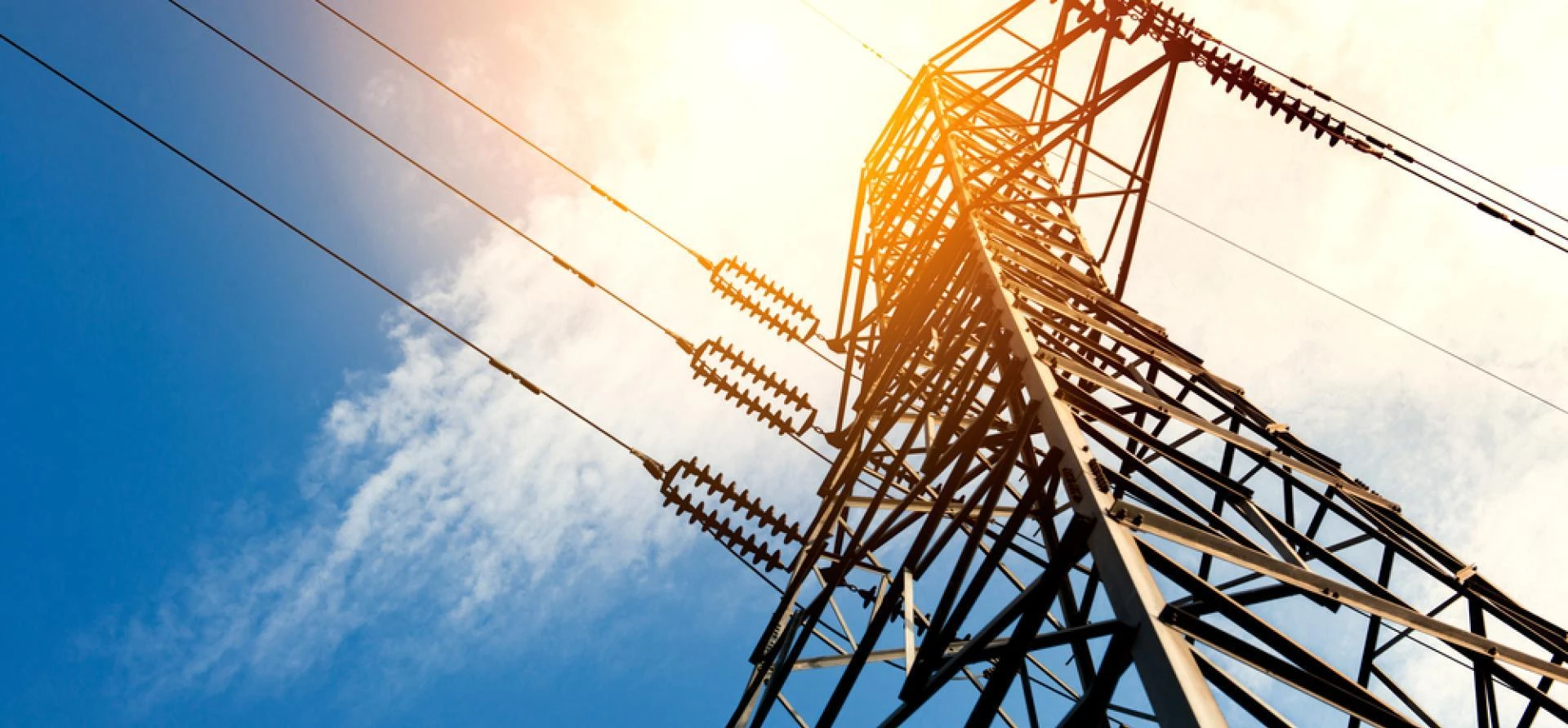
Electric power distribution is undergoing a fundamental transformation. What was once a largely linear system-generation, transmission, and consumption-is now evolving into a dynamic, intelligent network capable of supporting renewable energy, digital monitoring, and rising demand from industries and cities alike. At the centre of this transformation are modern EPC (Engineering, Procurement, and Construction) solutions, which are redefining how power transmission & distribution systems are planned, built, and operated.
As renewable energy projects scale across India and globally, the role of EPC companies has expanded well beyond execution. Today, EPC providers are strategic partners, helping utilities, industries, and governments build resilient, efficient, and future-ready electric power distribution networks.
The Changing Landscape of Electric Power Distribution
Electric power distribution networks are under pressure from multiple directions. Rapid urbanisation, electrification of transport, and decentralised renewable energy generation have made traditional grid models less effective. Power flows are no longer one-way, and grids must now manage variability, storage integration, and real-time demand balancing.
This shift has created a need for distribution systems that are smarter, more flexible, and highly reliable. Modern EPC solutions address these challenges by combining engineering expertise with advanced technology, robust procurement strategies, and seamless execution.
Why EPC Solutions Matter More Than Ever
EPC solutions play a critical role in ensuring that electric power distribution systems are not only technically sound but also economically viable and scalable. From design to commissioning, EPC providers integrate multiple disciplines into a single, accountable delivery model.
Key reasons why EPC expertise has become essential include:
- Increasing complexity of power transmission & distribution infrastructure
- Integration of renewable energy projects into existing grids
- Rising expectations for reliability, safety, and regulatory compliance
- Need for faster project execution and cost predictability
By managing these elements under one umbrella, EPC companies reduce risk and improve overall project outcomes.
Engineering Innovation Driving Smarter Distribution Networks
Engineering is the backbone of modern electric power distribution. EPC firms are leveraging advanced design tools, digital simulations, and grid analytics to build systems that perform efficiently under diverse operating conditions.
Key engineering advancements include:
- Smart substations with automated control and protection systems
- Advanced switchgear and distribution panels designed for higher safety and reliability
- Load flow analysis and system modelling to optimise power routing
- Integration of SCADA and remote monitoring for real-time visibility
These innovations allow power transmission & distribution networks to respond dynamically to demand fluctuations and renewable energy input.
Procurement Excellence and Technology Integration
Procurement is no longer just about sourcing equipment at the lowest cost. In modern EPC solutions, procurement focuses on quality, lifecycle performance, and compatibility with evolving grid technologies.
EPC companies now prioritise:
- High-efficiency transformers and switchgear
- Grid-compatible inverters for renewable energy projects
- Equipment compliant with national and international standards
- Vendor partnerships that ensure long-term service and support
This strategic approach ensures that electric power distribution assets remain reliable and upgrade-ready over their operational life.
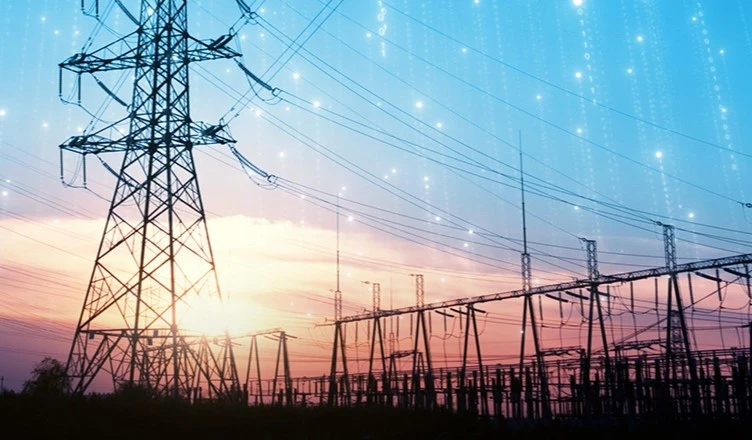
Enabling Renewable Energy Through EPC-Led Distribution Planning
Renewable energy integration is one of the biggest challenges for power distribution networks. Solar and wind generation are variable by nature, requiring grids that can manage intermittency without compromising stability.
Modern EPC solutions address this by:
- Designing distribution networks capable of bi-directional power flow
- Incorporating energy storage and grid-balancing mechanisms
- Strengthening interconnection points for renewable energy projects
- Ensuring seamless coordination between generation and distribution systems
Through intelligent planning and execution, EPC companies enable renewable energy to be distributed efficiently and reliably, supporting long-term clean energy goals.
Execution Excellence and Project Management
Beyond design and procurement, execution is where EPC solutions truly redefine electric power distribution. Large-scale distribution projects often involve multiple stakeholders, regulatory approvals, and tight timelines.
Modern EPC project management focuses on:
- Integrated scheduling and milestone tracking
- Strict safety and quality control processes
- Coordination with utilities, regulators, and local authorities
- Minimising downtime during upgrades or network expansion
This disciplined approach ensures that power transmission & distribution projects are delivered on time, within budget, and with minimal disruption.
Digitalisation and the Rise of Smart Distribution Systems
Digital technologies are now embedded into electric power distribution infrastructure. EPC providers are increasingly responsible for deploying and integrating these systems.
Key digital components include:
- Smart meters and automated distribution management systems
- Predictive maintenance using data analytics
- Fault detection and self-healing network capabilities
- Real-time energy monitoring for utilities and industrial consumers
By embedding digital intelligence into distribution networks, EPC solutions enhance reliability, reduce losses, and improve overall system efficiency.
Supporting Industrial and Commercial Power Needs
Industrial and commercial users demand high-quality, uninterrupted power. Modern EPC-led distribution solutions are tailored to meet these requirements through customised system design.
Benefits for industrial and commercial consumers include:
- Stable power supply for mission-critical operations
- Reduced energy losses and improved efficiency
- Scalable infrastructure to support future expansion
- Integration with captive renewable energy projects
This makes EPC expertise a key factor in supporting industrial growth and competitiveness.
Sustainability and Long-Term Value Creation
Sustainability is now a core objective of electric power distribution planning. EPC solutions contribute by designing systems that reduce losses, optimise energy use, and support renewable energy adoption.
Long-term sustainability benefits include:
- Lower carbon footprint through efficient power distribution
- Reduced reliance on fossil fuel-based backup systems
- Infrastructure aligned with ESG and regulatory requirements
- Enhanced grid resilience against climate and demand-related stresses
By focusing on long-term performance, EPC companies help stakeholders achieve both economic and environmental goals.
Partnering for the Future of Power Distribution
As electric power distribution continues to evolve, the role of EPC providers will only grow more strategic. Their ability to combine engineering depth, execution discipline, and renewable energy integration makes them indispensable to modern power infrastructure development.
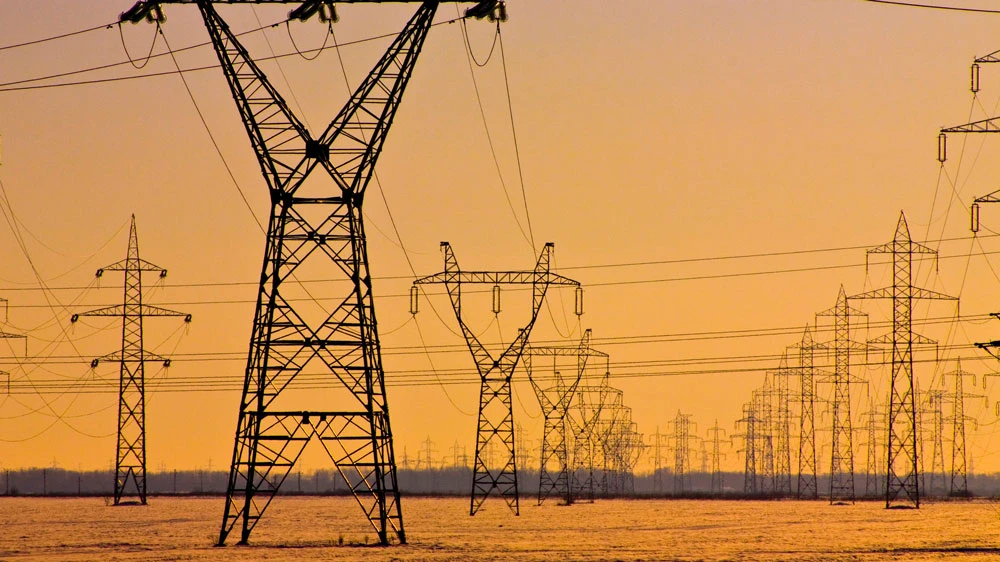
Partner with Hartek Group for Future-Ready Power Distribution
Hartek Group delivers integrated EPC solutions that redefine electric power distribution through advanced engineering, efficient power transmission & distribution systems, and seamless renewable energy integration. With deep expertise across renewable energy projects and grid infrastructure, Hartek helps industries and utilities build reliable, scalable, and future-ready power networks.
Frequently Asked Questions (FAQs)
1. What is the role of EPC companies in electric power distribution?
EPC companies manage the complete lifecycle of power distribution projects, from engineering and procurement to construction and commissioning, ensuring efficiency, safety, and reliability.
2. How do EPC solutions support renewable energy projects?
EPC solutions enable renewable energy integration by designing grids that handle variability, bi-directional power flow, and energy storage, ensuring stable distribution.
3. Why is power transmission & distribution becoming more complex?
Rising demand, decentralised generation, renewable energy integration, and digitalisation have increased the technical and operational complexity of modern grids.
4. How do modern EPC solutions improve grid reliability?
Through smart engineering, quality procurement, digital monitoring, and predictive maintenance, EPC solutions reduce failures and improve response times.
5. What industries benefit most from EPC-led power distribution projects?
Manufacturing, data centres, infrastructure, and commercial facilities benefit significantly from EPC-led solutions due to their need for stable, scalable, and efficient power supply.