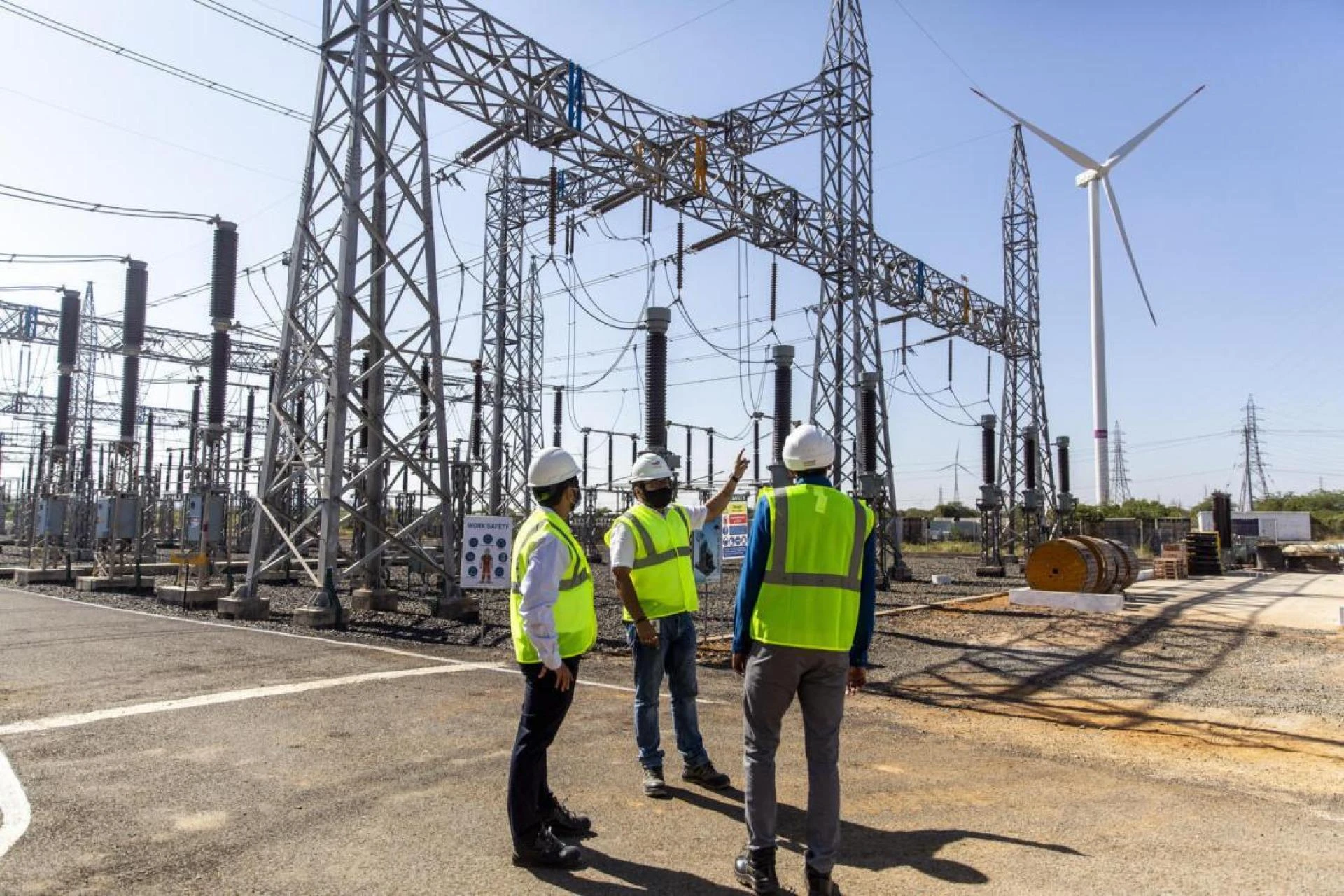
The global energy ecosystem is evolving at a rapid pace, driven by increasing demand, technological innovation, and the urgent need for sustainability. At the center of this transformation lies Electric Power Distribution, the critical link that ensures electricity generated at power plants reaches homes, industries, and businesses efficiently.
As nations like India expand their infrastructure and embrace renewable energy, modern electric power distribution systems are becoming more advanced, intelligent, and resilient. These systems are no longer just about delivering electricity—they are about optimizing performance, improving reliability, and enabling a smarter energy future.
The Evolution of Electric Power Distribution
Traditional Power transmission & distribution systems were designed for a one-way flow of electricity, where power moved from centralized generation plants to end users. While effective in the past, these systems face limitations in today’s dynamic energy landscape.
Modern electric power distribution systems have evolved to address these challenges. They now incorporate advanced technologies such as automation, real-time monitoring, and digital communication to create a more flexible and responsive network.
This evolution is essential to support:
- Increasing electricity demand
- Integration of renewable energy sources
- Growth of urban and industrial infrastructure
- Rising expectations for reliability and efficiency
The Shift Toward Smart and Digital Grids
One of the most significant advancements in Electric Power Distribution is the adoption of smart grid technologies. These systems enable two-way communication between utilities and consumers, allowing for better control and management of electricity flow.
Smart grids use technologies such as:
- SCADA systems for real-time monitoring
- Smart meters for accurate consumption tracking
- Automated control systems for quick fault detection
- Data analytics for predictive maintenance
These innovations help utilities respond to demand fluctuations, reduce downtime, and improve overall efficiency.
Enhancing Efficiency and Reducing Losses
Energy losses during distribution have long been a challenge for power systems. Modern electric power distribution systems address this issue through advanced optimization techniques.
Key improvements include:
- Real-time load balancing
- Automated voltage regulation
- Identification and elimination of technical losses
- Efficient network design
By reducing losses, these systems ensure that more generated power reaches consumers, improving both economic and operational efficiency.
Enabling Renewable Energy Integration
The rise of renewable energy has added a new dimension to power distribution. Solar and wind energy sources are variable and decentralized, making their integration into the grid more complex.
Modern Electric Power Distribution systems play a vital role in managing this complexity. They enable:
- Seamless integration of solar and wind power
- Real-time monitoring of energy generation and consumption
- Dynamic adjustment of power flows
- Support for distributed energy resources
This capability is essential for scaling renewable energy and achieving sustainability goals.
Improving Grid Reliability and Resilience
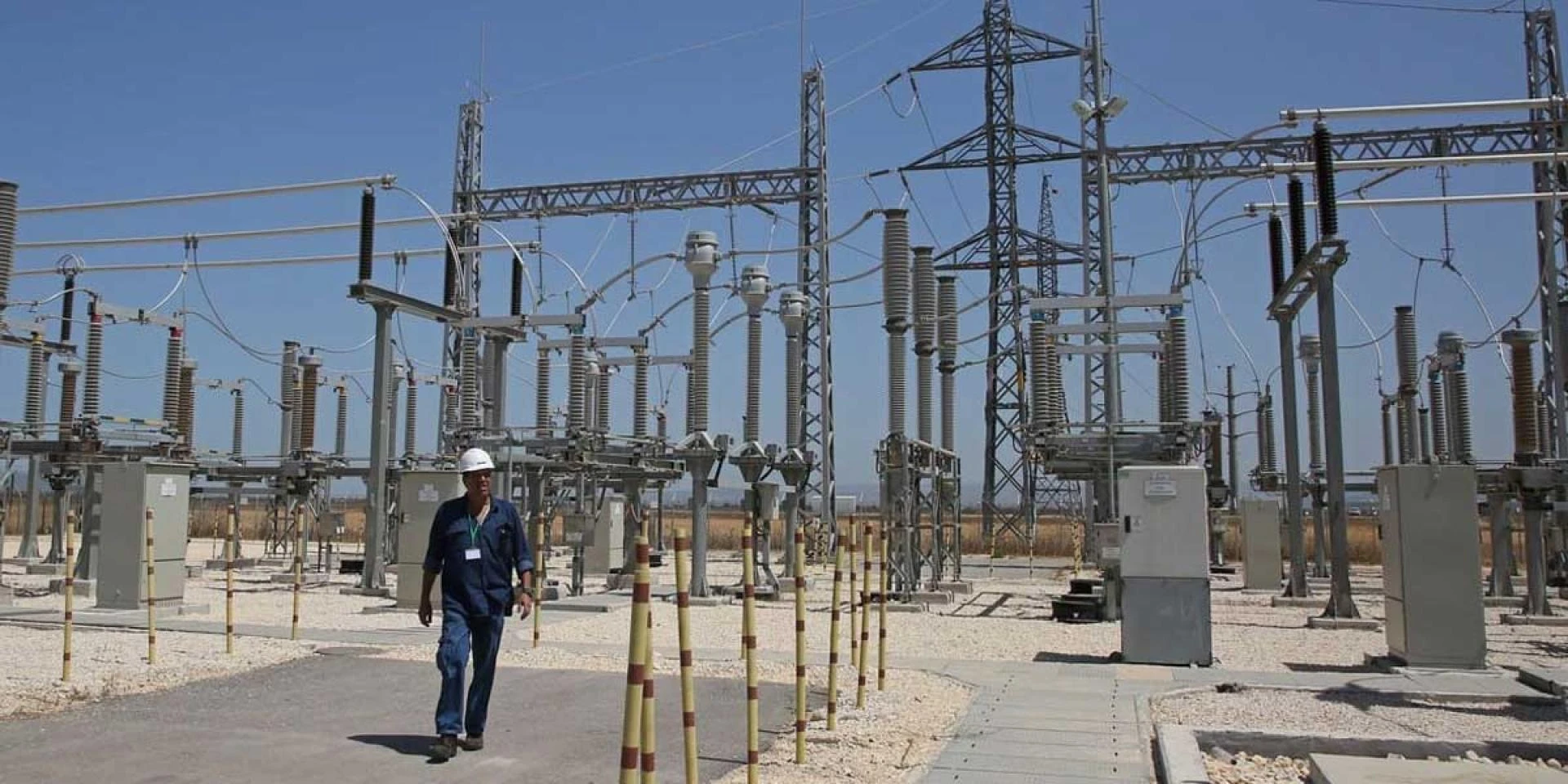
Reliability is a critical factor in power distribution. Modern systems are designed to minimize outages and ensure continuous electricity supply, even under challenging conditions.
Advanced technologies help improve reliability by:
- Detecting faults instantly
- Isolating affected sections of the grid
- Enabling automated restoration of services
- Providing real-time visibility into system performance
These features make the grid more resilient to disruptions such as extreme weather events and equipment failures.
Role of EPC Companies in Modern Distribution Systems
The transformation of electric power distribution systems would not be possible without the expertise of an epc company in india and global EPC players. These organizations are responsible for designing, building, and implementing advanced power infrastructure.
Leading epc companies handle:
- Engineering design and system planning
- Procurement of advanced equipment
- Construction and installation of infrastructure
- Testing and commissioning of systems
Their role is crucial in ensuring that modern distribution systems are deployed efficiently and meet the highest standards of quality and performance.
Companies like Hartek Group are actively contributing to this transformation by delivering advanced solutions in substations, grid systems, and renewable energy integration.
Digitalization and Data-Driven Decision Making
Data is becoming a powerful asset in modern power systems. Digital tools and analytics enable utilities to make informed decisions and optimize operations.
Modern electric power distribution systems leverage:
- Big data analytics
- Artificial intelligence and machine learning
- Cloud-based platforms
- IoT-enabled devices
These technologies provide insights into consumption patterns, equipment performance, and potential risks, allowing for proactive management and improved efficiency.
Supporting Urbanization and Industrial Growth
As cities expand and industries grow, the demand for reliable electricity continues to rise. Modern electric power distribution systems are designed to support this growth by providing scalable and flexible infrastructure.
They enable:
- Efficient power supply to urban areas
- Reliable electricity for industrial operations
- Support for digital infrastructure such as data centers
- Integration of electric vehicle charging networks
This adaptability ensures that power systems can meet the evolving needs of a growing economy.
Sustainability and the Future of Power Distribution
Sustainability is a key focus for modern energy systems. Electric power distribution plays a crucial role in reducing carbon emissions and promoting clean energy.
By enabling renewable energy integration and improving efficiency, modern systems contribute to:
- Lower environmental impact
- Reduced energy wastage
- Enhanced resource utilization
Future developments in electric power distribution are expected to include greater automation, increased use of energy storage systems, and deeper integration of renewable energy sources.
The Road Ahead
The transformation of Electric Power Distribution is reshaping how energy is delivered and consumed. As technology continues to advance, power systems will become more intelligent, efficient, and sustainable.
EPC companies will remain at the forefront of this transformation, driving innovation and delivering infrastructure that meets the demands of a rapidly evolving energy landscape.
Organizations that invest in modern distribution systems today will be better positioned to handle future challenges and capitalize on new opportunities.
Frequently Asked Questions (FAQs)
1. What is Electric Power Distribution?
Electric power distribution refers to the process of delivering electricity from transmission systems to end users such as homes, businesses, and industries.
2. How is modern power distribution different from traditional systems?
Modern systems use digital technologies, automation, and real-time monitoring to improve efficiency, reliability, and flexibility.
3. Why is renewable energy integration important in power distribution?
It helps reduce dependence on fossil fuels and supports sustainable energy generation.
4. What role do EPC companies play in power distribution?
EPC companies design, build, and implement power infrastructure, ensuring efficient and reliable distribution systems.
5. What is the future of electric power distribution?
The future includes smart grids, advanced automation, energy storage integration, and increased use of data-driven technologies.