Walking into a dental practice today feels nothing like it did a decade ago. Gone are the days of cold waiting rooms and rushed appointments. Patients now expect comfort, honesty, and treatment plans that actually make sense to them.
This shift hasn't happened by accident. Dentists in Cheshire have been quietly rewriting the rulebook on what good dental care should feel like, blending modern technology with a genuine focus on the person sitting in the chair, not just their teeth.
If you've been putting off a dental visit because of old memories of the drill or the smell of antiseptic, it's worth knowing just how much has changed. Here's a closer look at what's driving this transformation and why it matters for your next appointment.
1. Digital Dentistry Has Replaced Guesswork
Traditional dentistry relied heavily on physical impressions, X-rays with long wait times, and a fair bit of estimation.
That's changed.
Intraoral Scanners and 3D Imaging
Most modern clinics now use digital scanners that map your mouth in minutes, no gag-inducing trays of putty required. Combined with 3D imaging, dentists can spot issues that older X-rays might miss entirely, from hidden decay to bone density concerns.
Faster, More Accurate Treatment Plans
Because the data is instant, treatment plans are built around your actual mouth structure rather than a rough sketch. This means fewer surprises mid-treatment and appointments that run more smoothly from start to finish.
2. Patient Comfort Is Now the Priority, Not an Afterthought
Ask anyone who's avoided the dentist for years, and dental anxiety is usually the reason. Modern practices have taken this seriously.
Sedation and Pain Management Options
Many clinics now offer a range of sedation choices, from mild relaxation techniques to deeper sedation for more complex procedures. This isn't just a luxury add-on anymore; it's becoming standard practice.
Calmer Environments
Softer lighting, quieter equipment, and staff trained specifically in anxiety management have made a genuine difference. Small changes, but they add up to a completely different experience.
Did You Know? Studies suggest that nearly a third of adults report some level of dental anxiety, yet regular check-ups reduce the need for invasive treatment later on. Comfort-focused care isn't just kind, it's practical.
3. Personalised Care Plans Over One-Size-Fits-All Treatment
No two mouths are the same, and treating them as if they were rarely gets good results.
Understanding Lifestyle and Long-Term Goals
Rather than jumping straight to a filling or extraction, many practices now start with a conversation. What's your diet like? Do you grind your teeth at night? Are you planning orthodontic work down the line? These questions shape a plan that fits your life, not just your symptoms.
Preventive Care Takes Centre Stage
There's a growing shift from fixing problems to preventing them altogether. Regular hygiene visits, tailored home-care advice, and early intervention are replacing the old "wait until it hurts" approach.
4. Cosmetic and Restorative Options Have Expanded Significantly
People want more than functional teeth; they want to feel confident smiling.
Invisible Aligners and Whitening
Clear aligners have made orthodontic treatment far more discreet, and teeth whitening has become quicker and gentler on enamel than older methods allowed.
Implants and Restorative Work
Dental implants now offer a long-term, natural-looking solution for missing teeth, often lasting decades with proper care. This has genuinely changed outcomes for patients who once had limited options.
Expert Insight: Having spoken with several clinicians across the region, one theme comes up repeatedly: patients no longer see cosmetic dentistry as vanity. They see it as an investment in confidence, and practices have adjusted their offerings accordingly.
5. Technology Is Improving Communication, Not Just Treatment
It's not only the tools inside the treatment room that have changed.
Online Booking and Digital Records
Booking a check-up no longer means a phone call during work hours. Digital systems let patients book, reschedule, and access their records with a few clicks.
Clearer Explanations Through Visual Tools
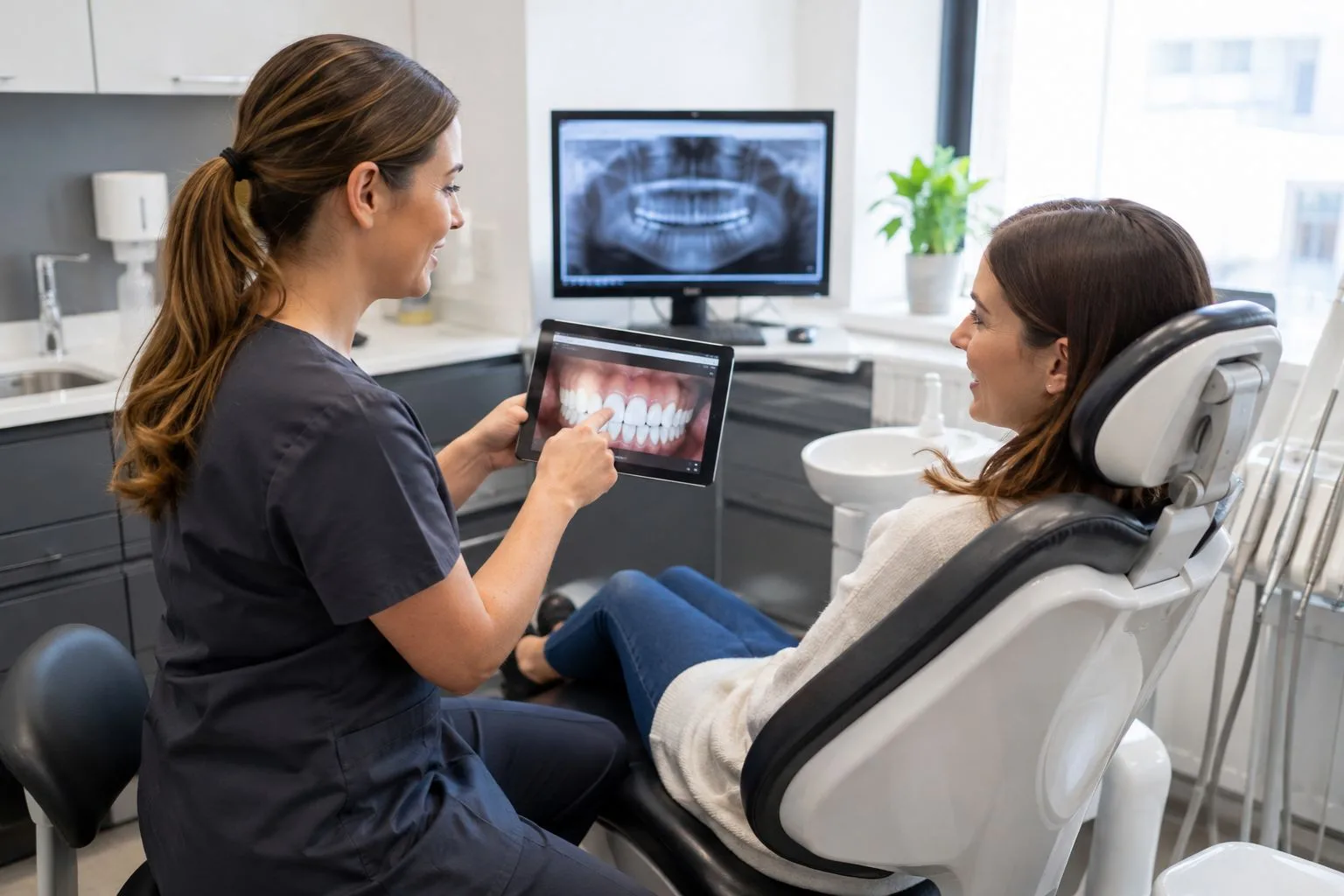
Screens showing real-time scans mean patients can actually see what the dentist sees. This builds trust and helps people understand why a treatment is recommended, rather than just being told to trust the process.
6. Local Practices Are Raising the Bar Across the Region
Across Cheshire, practices are increasingly investing in staff training, newer equipment, and patient education, rather than competing purely on price.
A Community-Focused Approach
Many local dentists in Cheshire now run educational sessions, offer flexible payment plans, and build long-term relationships with families rather than treating patients as one-off appointments.
Common Mistakes Patients Still Make
- Skipping check-ups until something hurts
- Assuming cosmetic work is purely cosmetic, not preventive
- Not asking about newer, less invasive treatment options
- Choosing a practice based on price alone, without checking hygiene standards or reviews
Avoiding these mistakes often leads to simpler, less costly treatment down the line.
Take the First Step Toward a Healthier Smile
If you've been searching for dentists in Cheshire who genuinely listen, explain your options clearly, and use modern technology to make treatment more comfortable, Fence House Dental is here for exactly that.
Whether you need a routine check-up, want to explore cosmetic options, or simply haven't been to the dentist in a while and feel nervous about it, the team is ready to make the process straightforward and pressure-free.
Book your appointment with Fence House Dental today and experience dental care built around you, not the other way around.
Frequently Asked Questions
1. What makes modern dental care different from traditional dentistry?
Modern dentistry relies on digital scanning, 3D imaging, and personalised treatment planning, which means more accurate diagnoses and fewer uncomfortable procedures compared to older methods.
2. How can I deal with dental anxiety before an appointment?
Talk to your dentist beforehand. Many practices now offer sedation options, calmer environments, and staff trained to help nervous patients feel more at ease.
3. Are cosmetic dental treatments worth the investment?
For many patients, yes. Treatments like clear aligners, whitening, and implants improve both confidence and long-term oral health when done through a qualified practice.
4. How often should I visit the dentist for check-ups?
Most dentists recommend a check-up every six months, though this can vary depending on your oral health history and individual risk factors.
5. What should I look for when choosing a dental practice?
Look beyond price. Check for modern equipment, clear communication, hygiene standards, and genuine patient reviews before booking your first appointment.