
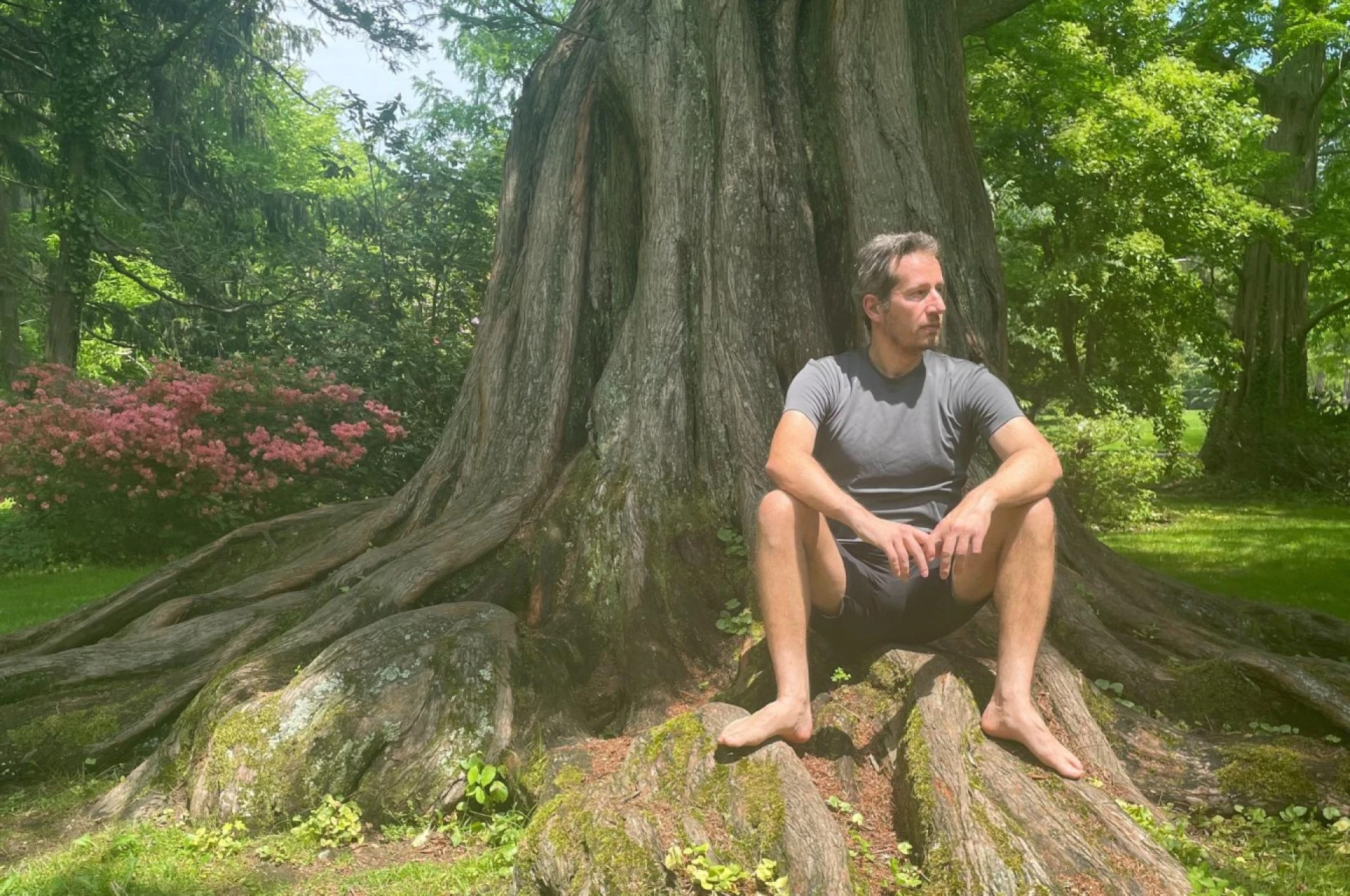
There are moments in life when growth doesn’t feel like progress. It feels like loss.
Like standing at the edge of something familiar, watching parts of yourself fall away before you understand what’s replacing them.
I’ve seen this in athletes before a breakthrough season. In leaders just before they step into something bigger than themselves. And if I’m honest, I’ve lived it too.
Metamorphosis is not a clean process. It’s not linear. It asks you to sit in uncertainty longer than you’d like. But on the other side of that discomfort, something shifts. Not just in how you perform, but in how you lead.
This is where metamorphosis coaching begins to change things in a way most people don’t expect.
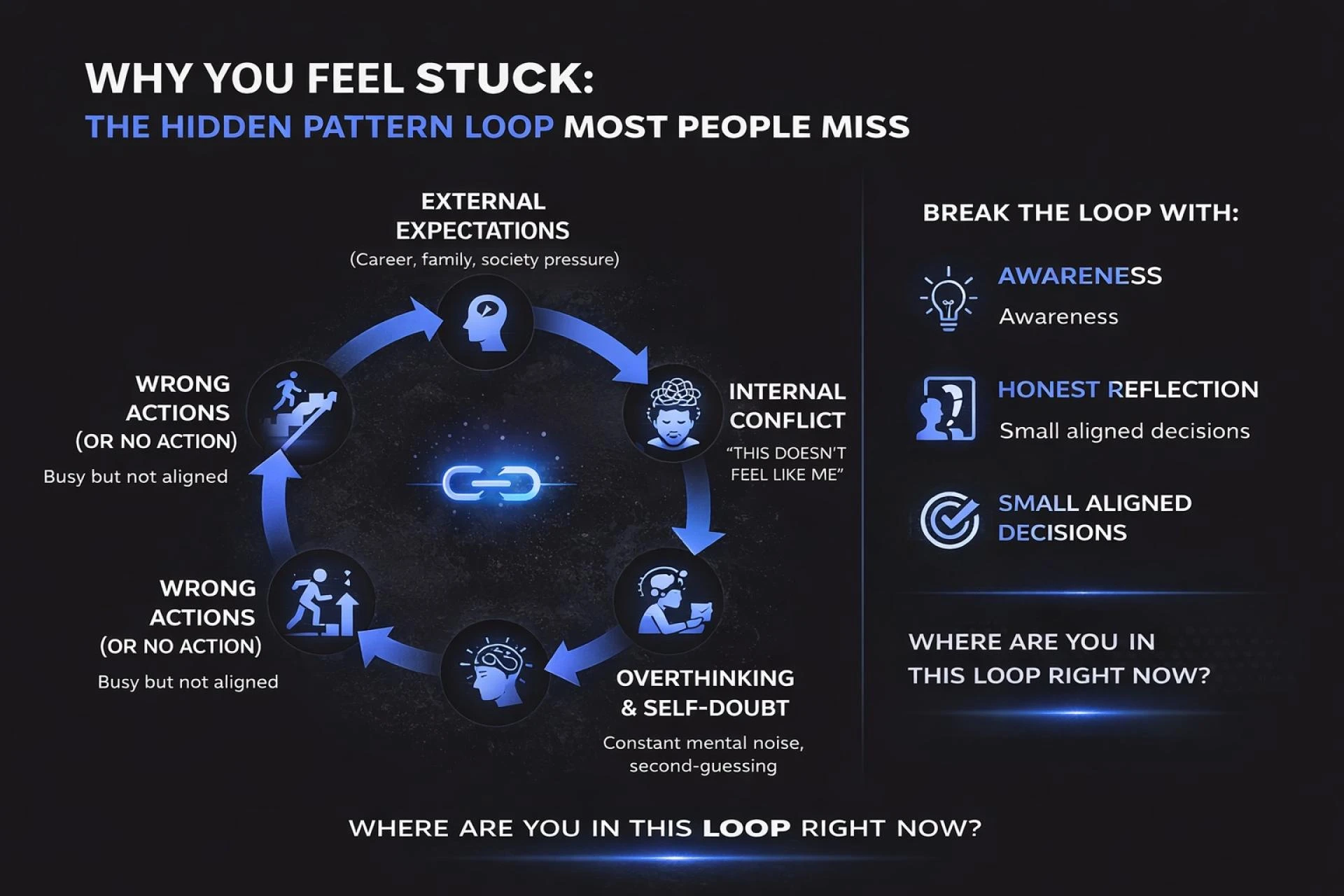
Leadership Isn’t Built in Comfort
When people think about leadership, they often imagine confidence, clarity, and control.
But what I’ve observed over years of working with individuals across different walks of life is something quieter and less obvious.
Real leadership is built in the moments where you don’t feel ready.
It’s built when you question your direction, when outcomes are uncertain, when the external validation isn’t there yet.
As a metamorphosis coach, I don’t focus on helping people appear more like leaders. I focus on helping them become more honest with themselves. Because leadership that is built on self-awareness holds steady. Leadership built on image tends to crack under pressure.
And most people don’t struggle because they lack skill. They struggle because they’ve never been taught how to sit with discomfort without losing themselves.
A Lesson from the Edge of the World
There was a time I found myself far from anything familiar.
I had traveled to Réunion Island for a tennis tournament. It was intense, physically and mentally demanding, the kind of environment where you are constantly measuring yourself against others.
After the tournament, I needed space. Not just to recover physically, but to step away from the noise that comes with competition.
So I went hiking toward Piton des Neiges, the highest point on the island.
Along the way, I came across a small, remote community. A few families living simply, far removed from the pace and expectations most of us are used to.
What struck me wasn’t what they lacked. It was what they carried so effortlessly.
They welcomed me without hesitation. Shared their food. Their time. Their stories.
There was no performance. No need to impress.
Just presence.
And in that space, I noticed something that I’ve since come to recognize in strong leaders.
They didn’t try to control everything. They didn’t rush outcomes. They trusted their process, their community, and their place within it.
It changed how I understood leadership.
Not as control, but as connection.
What Most Leaders Get Wrong
A lot of people step into leadership roles thinking they need to have all the answers.
So they overcompensate.
They try to control outcomes, manage every detail, and present a version of themselves that feels strong on the outside but disconnected on the inside.
This is where things start to break.
Because leadership is not about holding everything together. It’s about creating space where others can grow.
And that requires a different kind of strength.
One that is built through awareness, patience, and the ability to let go of control when it’s not serving you.
This is where behavioral coaching starts to play a deeper role. It helps you see patterns you’ve been operating on without realizing it. Patterns that quietly shape how you lead, communicate, and respond under pressure.
You can explore this more through behavioral coaching, where the focus shifts from surface-level habits to the deeper psychology behind them.
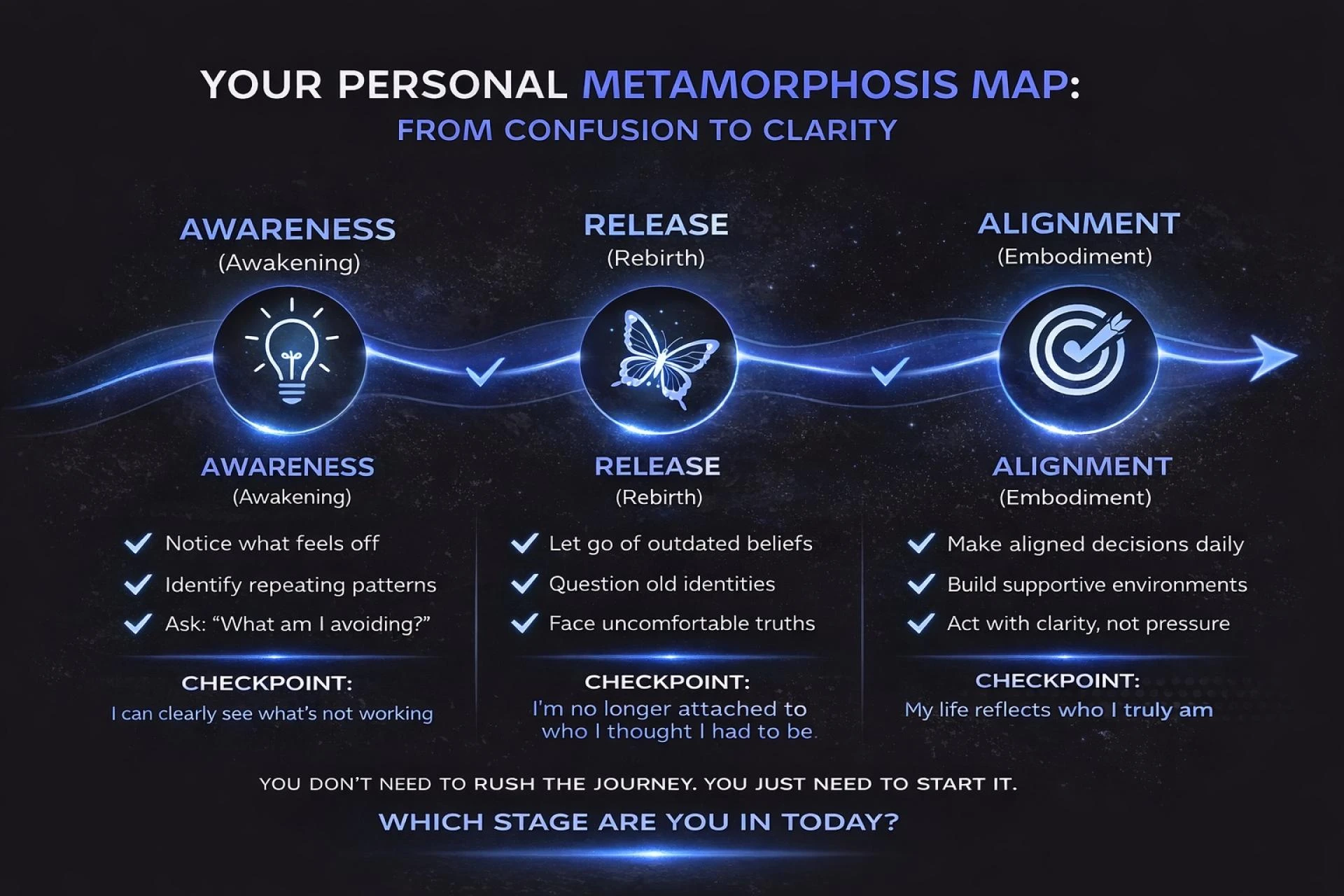
The Shift That Changes Everything
Leadership begins to change when you stop asking, “How do I perform better?” and start asking, “What is driving the way I show up?”
That shift sounds small, but it opens a completely different path.
You begin to notice:
- Where you’re reacting instead of responding
- Where fear is shaping your decisions
- Where control is replacing trust
- Where you’re disconnected from the people you’re meant to lead
And slowly, things start to realign.
You don’t become less ambitious.
You become more grounded.
You don’t lose your edge.
You gain clarity.
This is the heart of metamorphosis. Not becoming someone else, but returning to a version of yourself that leads with presence instead of pressure.
What I Learned from That Mountain Community
That experience stayed with me, not because it was dramatic, but because it was simple.
And simplicity has a way of revealing truth.
Here’s what I took with me, and what I now share with people navigating leadership in their own lives:
Connection matters more than convenience.
The strongest leaders are not the most efficient. They are the most present.
People don’t follow authority. They follow how you make them feel.
That family made me feel welcome without trying. Leadership works the same way.
Purpose creates alignment.
When everyone is working toward something shared, leadership becomes less about direction and more about support.
Patience is not passive.
Growth takes time. The best leaders understand the rhythm of effort and trust.
Joy is not a distraction.
It’s a stabilizer. It keeps people connected, especially during difficult moments.
You don’t have to carry everything alone.
Independence matters, but so does knowing when to lean on others.
Acceptance creates clarity.
When you stop fighting what you can’t control, your energy shifts to what actually matters.
Practical Ways to Lead Through Metamorphosis
If you’re in a leadership position, or stepping into one, here are a few grounded ways to apply this in your day-to-day life:
1. Slow down your reactions
Not every situation needs an immediate response. Give yourself space to think clearly before acting.
2. Listen without preparing your reply
Most people listen to respond. Leaders listen to understand.
3. Create environments where people feel seen
This is often more powerful than any strategy you implement.
4. Accept uncertainty as part of the process
Clarity doesn’t always come before action. Sometimes it follows it.
5. Reconnect with your own values regularly
Leadership becomes unstable when it’s disconnected from who you are.
6. Build a rhythm between effort and recovery
Burnout doesn’t create better leaders. Awareness does.
Two Reflections I Often Come Back To
“Leadership is not about becoming someone others admire. It’s about becoming someone others can trust when things are uncertain.”
“Metamorphosis begins the moment you stop trying to control the outcome and start understanding the process.”
Why This Matters More Than Ever
We’re living in a time where leadership is often measured by visibility and results.
But the people I’ve worked with, the ones who create lasting impact, don’t lead from pressure.
They lead from alignment.
They understand themselves. They trust their process. And they create space for others to grow without forcing it.
This is the kind of leadership that doesn’t burn out.
It evolves.
And this is where The Metamorphosis coach approach becomes different. It’s not about giving you a system to follow. It’s about helping you see yourself more clearly so you can lead in a way that feels true and sustainable.
A Quiet Invitation
If you’re reading this and something feels familiar, maybe you’re already in that space of transition.
Where things don’t feel wrong, but they don’t feel fully aligned either.
You don’t need to rush out of it.
Sometimes the most important shifts happen in the moments where nothing seems to be happening at all.
Take a step back.
Reflect on how you lead, not just what you achieve.
And ask yourself a simple question:
Am I leading from who I truly am, or from who I think I need to be?
Your answer might be the beginning of your own metamorphosis.
FAQs
What is metamorphosis coaching?
Metamorphosis coaching is a process of deep personal and professional transformation. It focuses on self-awareness, mindset, and behavioral patterns to help individuals grow in a way that feels aligned and lasting.
How does metamorphosis coaching improve leadership?
It helps leaders understand their internal patterns, manage emotions better, and lead with clarity and presence rather than pressure or control.
Is this approach only for experienced leaders?
No. It’s valuable for anyone stepping into leadership, whether in business, sports, or personal life.
What makes this different from traditional coaching?
Traditional coaching often focuses on performance and outcomes. This approach focuses on the internal shifts that make those outcomes sustainable.
Can leadership really be developed through self-awareness?
Yes. In fact, the strongest leadership foundations are built on understanding how you think, respond, and connect with others.