
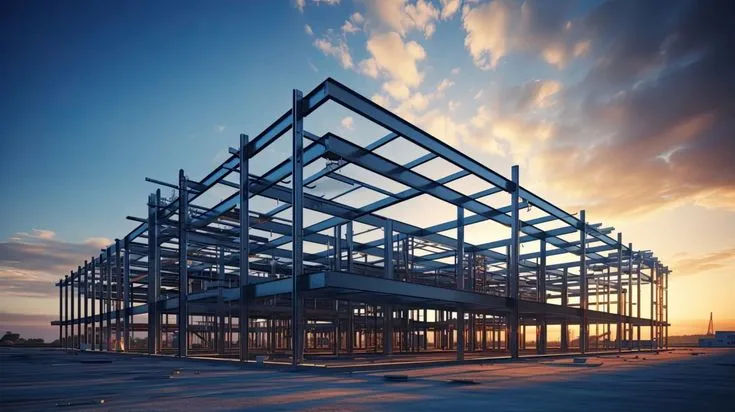
Metal roofing cost planning means calculating how much money is needed for a metal roof. It includes the cost of materials, workers and all other expenses related to the roofing in the construction project. Builders and contractors do this planning so they can stay within their budget, reduce waste and finish the project on time. A clear cost plan helps avoid surprises and keeps the project running smoothly. To make this process more accurate and easier, many builders hire roofing estimating services for better cost control and planning.
Importance of Cost Planning for Metal Roofing
Metal roofing is strong, long-lasting and energy-efficient but it can get expensive if it is not planned properly. Metal roofing cost planning helps builders figure out how much money they will need before work starts on the metal roofing. Good planning also helps in choosing the right materials and skilled workers for metal roofing work. When everything is planned and calculated early, there is less chance of overspending on the project.
Steps to Plan Metal Roofing Cost in Construction Projects
Understanding the Size of the Roof
Roof size is the first thing contractors check when planning the cost of a roofing project. A bigger roof needs more materials and more labour which increases the total cost. Contractors measure the roof area in square feet or square meters and also carefully look at its shape. A simple flat roof is easier to install and costs less than a roof with many angles and slopes. You have to get the right measurement because even a small mistake costs extra money.
Choosing Metal Type
Different types of metal are used for roofing and each one comes at a different price. Some common choices include steel, aluminium and copper. Steel is usually the most affordable and commonly used option for metal roofing.
Aluminium is the lightest material and does not rust easily while copper is strong, beautiful and the most expensive choice. The kind of metal you choose will affect the total budget so contractors try to find the right metal for their roof according to their needs and budget.
Material Quantity Calculation
After selecting the metal type, contractors calculate how much material is needed for the job and also add a little extra to cover waste during work. The material can get wasted when it is being cut or shaped or if someone makes a mistake during the process of installation.
Normally, contractors add an extra material to the estimated list just in case it is needed. This step ensures the project does not stop because of a shortage of materials. Nowadays, many professionals prefer working with the best takeoff company for more accurate material estimation and smooth project planning.
Labour Cost
Labour is a big part of the metal roofing cost because skilled workers are needed to install the roof properly and make it strong and safe. Labour cost depends on the factors given below.
- Size of the project
- Roof design complexity
- Workers experience
If the design is complicated, it takes more time and effort so the cost of labour increases. If you plan well, you can make sure you hire the right number of workers for the job.
Tools and Equipment Costs
Metal roofing needs special tools and equipment to get the job done properly. These include cutting tools, safety gear and lifting equipment used during installation. You can rent some of these tools and buy others from contractors. The cost of using these tools is added to the total estimated cost of the metal roofing.
Underlayment and Insulation Costs
Underlayment is a layer that goes under the metal roof. It protects against water and moisture. Insulation is important because it keeps the building cool in hot weather and warm in cold weather. It helps to make the space more comfortable and reduce energy use. Both underlayment and insulation add to the total cost but they are important for long-term roof performance.
Many builders now prefer hiring professional insulation estimating services. These services help by giving a clear idea of insulation costs and precise material takeoffs and thermal analysis for your project for better budget planning. If you skip them, you may face problems later that can be more expensive to fix.
Transportation Costs
Transportation costs depend on the distance, fuel prices and the weight of materials when they are delivered from suppliers to the construction site. Heavy metal sheets are so heavy that they increase the transportation and delivery costs. So planning this in advance is a good idea to avoid unexpected expenses.
Permits and Regulations
When you start a construction project, you need to get work permits and approvals. These permits have fees so it is important to include them in the project budget. Builders must follow local building rules and safety guidelines to keep the project legal and safe for everyone.
Weather and Time Factors
Bad weather conditions like rain, strong winds or extreme heat slow down metal roofing work and delay the project. Due to these delays, labour costs increase and material rates may also rise, so contractors plan extra time to handle such situations.
Contingency Cost
Contingency cost is extra money kept aside for unexpected expenses that may come up during a project. These expenses include sudden increases in material prices, changes in design or damage during construction work. A small part like 5 to 10% of the total budget is set aside as a contingency cost that helps to manage problems without stopping the project.
Final Cost Estimation
After checking all cost factors, contractors prepare a final cost estimate that includes the cost of materials, labour, tools, transport and other expenses. The final cost estimate is shared with the client for approval. Once it is approved, the project starts with a clear plan that everyone can follow. A clear and detailed cost estimate helps reduce confusion and builds strong trust between contractors and clients.
Tips for Better Metal Roofing Cost Planning
Cost planning makes a big difference when you are working on construction projects. Here are some easy tips to keep in mind:
- Measure the roof properly
- Pick materials that match your budget and last longer
- Hire trained and experienced workers
- Keep some extra material for waste
- Be ready for unexpected costs
If you follow these tips, you can stay within your budget and complete your metal roofing project smoothly.
Conclusion
Metal roofing cost planning is a really important step for any construction project. It helps builders and clients understand costs, manage resources and avoid delays in a simple and clear way. To get the cost right, you need to measure the roof, choose the materials and estimate labour costs accurately because every step counts. When you plan carefully, metal roofing turns out to be a strong and long-lasting investment that lasts a long time. Good cost estimation helps save money and keeps your metal roof strong and reliable for years.