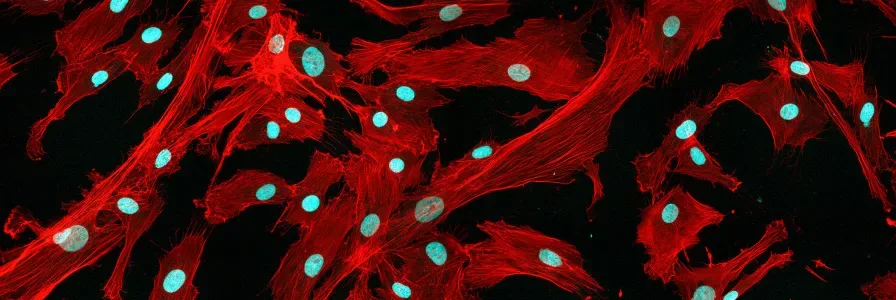
Mesenchymal stem cells come up in almost every conversation about regenerative care, yet most people can't say what they are. In simple terms, MSCs are a type of adult stem cell found in tissues like bone marrow, fat and umbilical cord tissue. Scientists are interested in them because they may help calm inflammation and release signals that support repair. If you're searching for mesenchymal stem cell therapy in Jacksonville, FL, you probably want straight answers about how it works, what it's used for and what a visit involves. At Reju Stem Cells, we believe informed patients make better decisions. This guide walks through the science in plain language, the conditions researchers are studying, and what you can expect from start to finish.
What Mesenchymal Stem Cells Are and How They May Work
Mesenchymal stem cells, often shortened to MSCs, are adult cells that can develop into several tissue types, including bone, cartilage and fat. What gets the most attention, though, is what they may do beyond becoming new tissue. Studies suggest MSCs release signaling molecules that can help regulate the immune response and calm inflammation in an injured or irritated area. In other words, they may act more like a coordinator of repair than a replacement part. This is an active area of research, and findings differ by condition, cell source and how the therapy is delivered. The International Society for Stem Cell Research offers a helpful, plain-language resource called A Closer Look at Stem Cells if you want unbiased background. For a wider view of how MSCs fit alongside other options like PRP and exosomes, read our regenerative medicine patient guide for Jacksonville.
Where MSCs Come From
MSCs can be taken from several sources. Bone marrow was one of the first, and fat tissue is another common option. Both are examples of autologous sources, meaning the cells come from the patient. Umbilical cord tissue is a third source and is typically donated after a healthy birth, which makes it allogeneic, meaning the cells come from a donor. Each source has trade-offs. Autologous cells avoid donor matching questions but require a collection procedure, and the number and quality of cells can vary with age and health. Donor-derived cells skip the collection step, but sourcing, screening and processing standards become very important. We cover that topic in depth in our guide to umbilical cord stem cells in Jacksonville. Whatever the source, ask your provider where the cells come from, how they're tested and how they're handled. A clear, confident answer is a good sign, and vague answers are a reason to keep asking.
Conditions Researchers Are Studying
MSCs are being studied across a wide range of conditions. In orthopedics, researchers are looking at joint wear, tendon problems and some spine-related issues. In immune-related and metabolic conditions, interest centers on the ability of MSCs to influence inflammation. One example we've written about is how MSC stem cells and exosomes may support children with type 1 diabetes, which shows how research is expanding beyond pain. It's worth being direct here: study sizes, protocols and outcomes vary, and many uses are still investigational. That means a responsible clinic won't promise a cure or a guaranteed result. Instead, they'll walk you through what's known, what's still being tested and whether your situation is a reasonable fit. Your own diagnosis, imaging and history will shape what's realistic. If anyone makes sweeping claims about treating everything, treat that as a warning sign and look elsewhere.
What to Expect From a Treatment Visit
A visit usually starts with a conversation, not a procedure. You'll review your symptoms, past treatments, imaging and medical history, and the provider will explain whether MSC therapy is appropriate for you. If you move forward, the process depends on the cell source and the treatment area. Some approaches involve collecting your own tissue, while donor-derived products skip that step. The cells are then delivered, often by injection, sometimes with imaging guidance for accuracy. Many outpatient procedures like this allow you to go home the same day, but your provider will confirm what applies to you and give specific instructions on activity, rest and follow-up. Recovery and timelines differ from person to person, and improvement, if it happens, often builds gradually rather than overnight. If you're in the Jacksonville area and want to talk through your options, schedule a free consultation with Reju Stem Cells. Bring your scans and a list of questions, and we'll help you sort out what's realistic.
Frequently Asked Questions
What are mesenchymal stem cells?
MSCs are adult stem cells found in tissues such as bone marrow, fat and umbilical cord. They're studied for their ability to influence inflammation and support tissue repair.
Is mesenchymal stem cell therapy FDA approved?
Many stem cell products used in clinics aren't FDA approved for the conditions people seek treatment for, and some uses are still investigational. Ask any provider about a product's regulatory status.
How long does a treatment visit take?
It varies by cell source and treatment area. Your provider will explain the schedule during your consultation, including time for evaluation, the procedure and aftercare instructions.
When might I notice results?
Responses vary. If improvement happens, it often builds gradually over weeks rather than right away, and some people don't respond. Your provider can help set realistic expectations.