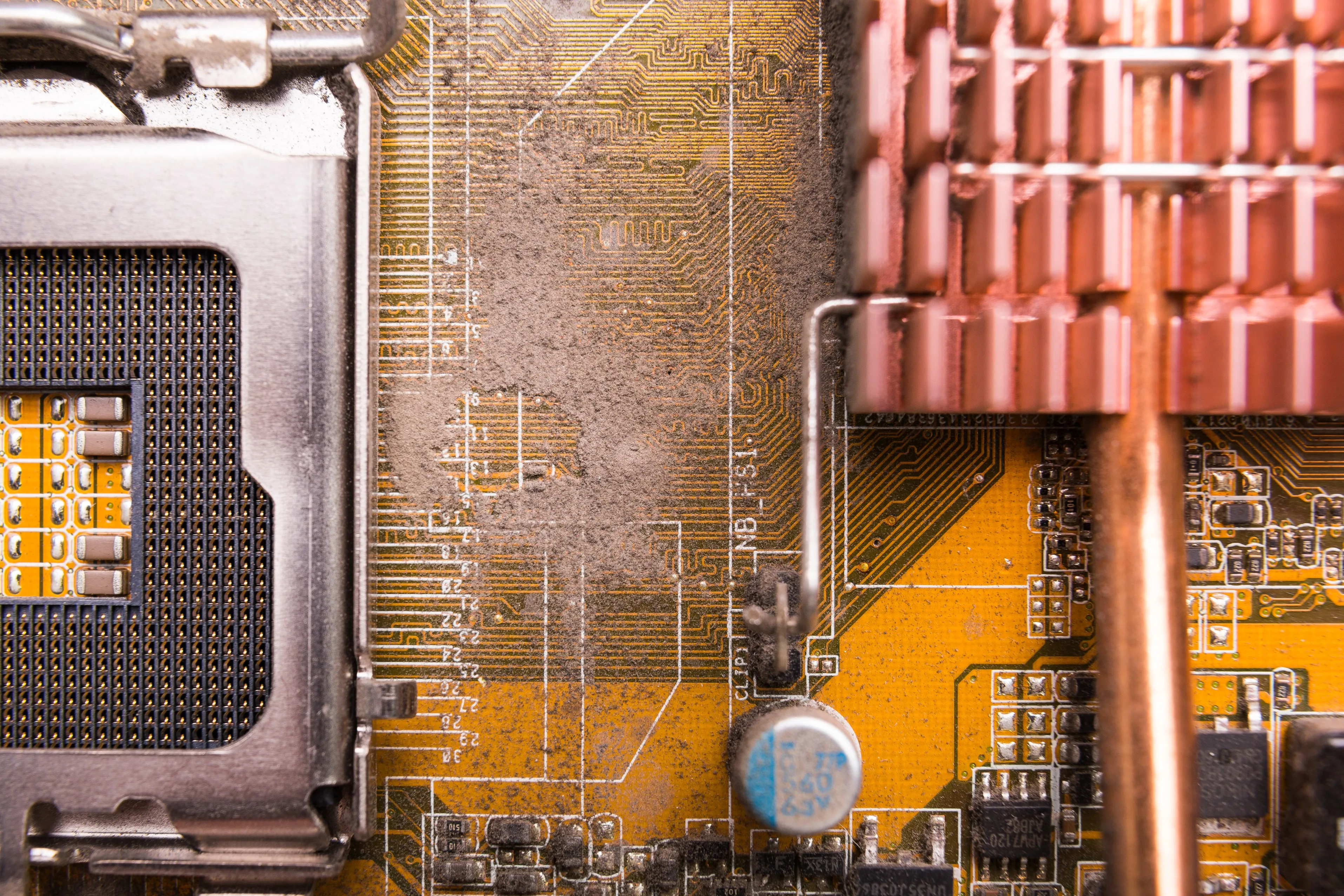
Developing reliable electronic products requires more than selecting the right components. Every product must be designed to withstand environmental conditions, manage heat effectively, and maintain structural integrity throughout its lifecycle. This is where Mechanical & Thermal Design plays a critical role.
From consumer electronics and industrial equipment to medical devices and networking systems, proper mechanical and thermal engineering helps products perform consistently while reducing failures and manufacturing challenges. A well-planned design also improves efficiency, supports faster product development, and lowers long-term maintenance costs.
In this blog, we'll explore how Mechanical & Thermal Design improves product quality, enhances performance, and supports efficient product development.
What Is Mechanical & Thermal Design?
Mechanical & Thermal Design is the engineering process of designing a product's physical structure while ensuring it can effectively manage heat generated during operation.
Mechanical design focuses on:
- Product enclosure design
- Structural integrity
- Component placement
- Material selection
- Manufacturing feasibility
Thermal design focuses on:
- Heat dissipation
- Airflow optimization
- Cooling techniques
- Thermal simulations
- Temperature management
Together, these disciplines help create products that are durable, efficient, and ready for manufacturing.
Why Mechanical & Thermal Design Matter
Modern electronic devices continue to become smaller, faster, and more powerful. As processing power increases, so does heat generation. Without effective thermal management and mechanical planning, products can experience overheating, reduced performance, shorter lifespans, and increased maintenance requirements.
Mechanical & Thermal Design helps engineers address these challenges early in the development process, ensuring products meet performance, reliability, and safety expectations.
How Mechanical & Thermal Design Improve Product Quality
Better Heat Management
Heat is one of the biggest factors affecting electronic reliability. Excessive temperatures can reduce component lifespan, impact performance, and lead to unexpected failures.
Effective thermal design helps:
- Maintain safe operating temperatures
- Improve airflow throughout the system
- Reduce hot spots
- Extend component life
By managing heat efficiently, products remain stable even during continuous operation.
Improved Structural Reliability
Mechanical design ensures every component fits securely while protecting sensitive electronics from vibration, shock, and environmental conditions.
Well-designed mechanical structures provide:
- Better durability
- Improved product stability
- Reduced mechanical stress
- Increased product lifespan
Strong mechanical engineering contributes directly to overall product quality.
Enhanced Manufacturing Efficiency
Products designed with manufacturing in mind are easier to assemble and test.
Mechanical & Thermal Design supports:
- Simplified assembly processes
- Reduced manufacturing complexity
- Better component accessibility
- Lower production costs
Designing for manufacturability helps improve consistency while reducing production delays.
Improving Product Efficiency Through Better Design
Optimized Component Placement
The location of electronic components affects both cooling performance and product reliability.
Engineers carefully position components to:
- Improve airflow
- Minimize heat concentration
- Reduce electrical interference
- Simplify maintenance
Optimized layouts contribute to higher efficiency and better long-term performance.
Material Selection
Choosing the right materials is equally important.
Engineers evaluate materials based on:
- Thermal conductivity
- Mechanical strength
- Weight
- Cost
- Environmental resistance
The right combination of materials helps balance durability, cooling performance, and manufacturing requirements.
Thermal Simulation and Analysis
Modern engineering teams use thermal simulation tools to evaluate product performance before building physical prototypes.
Simulation helps identify:
- Heat distribution
- Airflow patterns
- Cooling performance
- Potential thermal risks
Early analysis reduces redesign efforts while improving product quality.
Benefits of Mechanical & Thermal Design
Organizations investing in effective Mechanical & Thermal Design can achieve several business advantages, including:
- Improved product reliability
- Better thermal performance
- Higher manufacturing efficiency
- Longer product lifespan
- Reduced maintenance costs
- Faster product development
- Improved customer satisfaction
- Lower product failure rates
- Better compliance with industry standards
These benefits contribute to stronger product performance and improved business outcomes.
Best Practices for Mechanical & Thermal Design
To maximize product quality and efficiency, engineering teams should follow proven design practices.
Consider Thermal Requirements Early
Thermal management should begin during the initial design stage rather than after hardware development is complete.
Design for Manufacturability
Products should be easy to manufacture, assemble, and test without compromising performance.
Validate Through Simulation
Thermal and mechanical simulations help identify potential issues before production begins.
Balance Performance and Cost
Engineers should select materials and cooling methods that provide reliable performance while remaining cost-effective.
Collaborate Across Engineering Teams
Mechanical, thermal, electrical, and manufacturing engineers should work together throughout the development process to ensure the final product meets all design requirements.
Supporting Modern Product Development
As electronic systems continue to evolve, the importance of Mechanical & Thermal Design continues to grow. Advanced engineering practices help organizations develop products that perform reliably under demanding conditions while meeting customer expectations.
Companies such as Fidus support organizations with specialized engineering expertise, helping businesses develop high-performance electronic products through effective mechanical and thermal design strategies.
Final Thoughts
Mechanical & Thermal Design is essential for creating products that are reliable, efficient, and ready for production. By optimizing heat management, improving structural integrity, and supporting manufacturing efficiency, engineering teams can reduce product risks while delivering higher-quality solutions.
As products become more advanced, investing in effective Mechanical & Thermal Design helps businesses improve performance, extend product life, and accelerate development. A well-engineered design not only enhances product quality but also supports long-term business success.