When property owners consider value-additions, they usually focus on interior improvements such as kitchens, flooring, or smart home technology. Although those renovations are important, the outside of the property forms the first impression- and first impressions are crucial to market value. Masonry is among the strongest and most enduring methods for renovating a property's exterior and enhancing its structural soundness simultaneously.
Masonry Contractor Aldie VA provides stability, aesthetic appeal, and future financial resources to the building, concrete faces and pavements, as well as the walls and outdoor living areas. You may be planning to sell in the near future, or you might just wish to have a more solid investment; masonry can significantly increase the value of your house.
The Power of First Impressions: Boosting Curb Appeal
Real estate experts often say buyers form an opinion within seconds of seeing a home. Masonry instantly elevates curb appeal by giving a property a polished, upscale look that stands out in the neighborhood.
A home with brick or stone features appears more solid, elegant, and well-maintained. Even small masonry additions—like a stone pathway or brick mailbox—can make the property feel premium.
Masonry features that improve curb appeal include:
- Brick or stone exterior facades
- Stone entryways and pillars
- Decorative driveways and walkways
- Retaining walls and garden borders
- Outdoor fireplaces or fire pits
These features create a strong emotional reaction in buyers. People are naturally drawn to materials that feel timeless and durable.
Durability That Attracts Buyers
One of masonry’s greatest advantages is its exceptional lifespan. Wood siding may need replacement every 20–30 years, but brick and stone can last more than a century with minimal maintenance.
Buyers are willing to pay more for a home that won’t require major exterior repairs soon. Masonry signals strength and long-term reliability.
Why durability increases property value:
- Resistant to rot, pests, and weather damage
- Withstands harsh climates and temperature changes
- Requires minimal upkeep over decades
- Reduces long-term maintenance costs
A buyer sees masonry as a future savings opportunity. Less maintenance equals less stress—and that’s a huge selling point.
Higher Energy Efficiency
Energy efficiency is no longer just a bonus feature—it’s a major selling factor. Masonry materials such as brick and stone provide excellent thermal mass, meaning they absorb heat during the day and release it slowly at night.
This natural insulation helps stabilize indoor temperatures and reduce energy bills.
Energy benefits of masonry:
- Keeps homes cooler in summer
- Retains warmth during winter
- Reduces reliance on HVAC systems
- Lowers monthly utility costs
Lower operating costs make homes more attractive to buyers and can significantly increase resale value.
Increased Fire and Weather Resistance
Safety is a top concern for homeowners and buyers alike. Masonry materials are non-combustible and provide superior protection against fire, storms, and extreme weather.
Compared to wood or vinyl siding, brick and stone offer:
- High fire resistance
- Strong wind and storm protection
- Resistance to mold and moisture damage
- Better structural integrity during disasters
A safer home often means lower insurance premiums, which further boosts market appeal.
Long-Term Return on Investment
Masonry projects typically offer a strong return on investment (ROI). While the upfront cost may be higher than other materials, the long lifespan and low maintenance make masonry a financially smart decision.
Properties with masonry features often sell faster and at higher prices because buyers recognize the value immediately.
High-ROI masonry projects include:
- Stone or brick veneers
- Outdoor kitchens and patios
- Retaining walls for landscaping
- Masonry driveways and walkways
- Chimney upgrades or repairs
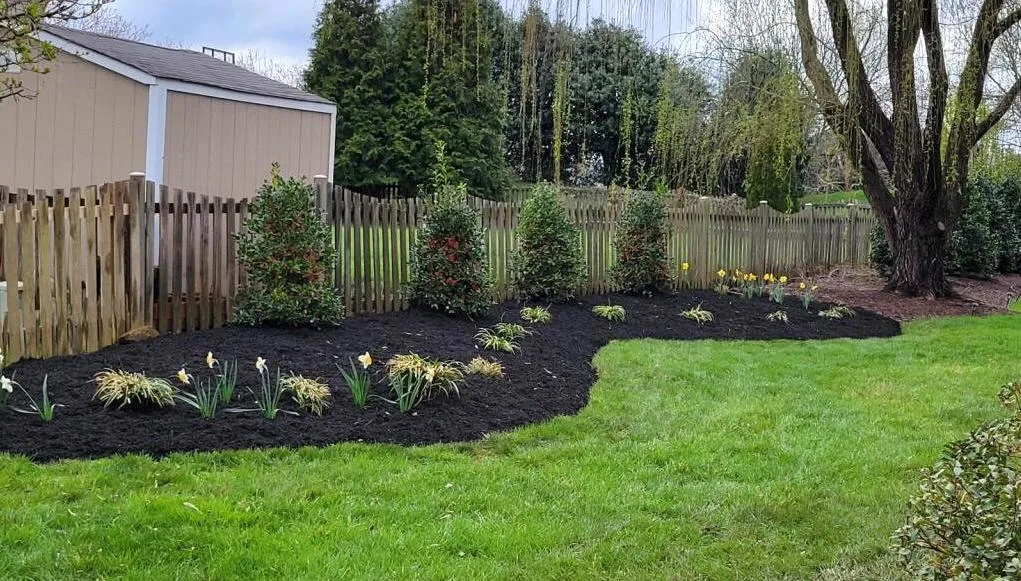
Landscapers Round Hill VA upgrades combine functionality and aesthetics—two key drivers of property value.
Outdoor Living Spaces Increase Market Appeal
Outdoor living has become one of the most desirable features in modern homes. Buyers want spaces where they can entertain, relax, and spend time with family.
Masonry plays a significant role in creating these spaces for its durability and timeless beauty.
Popular masonry outdoor upgrades:
- Stone patios and seating areas
- Outdoor kitchens and BBQ stations
- Fire pits and fireplaces
- Garden walls and raised planters
- Poolside stone decking
These features transform a backyard into an extension of the home, making the property feel larger and more luxurious.
Timeless Aesthetic Appeal
Trends come and go, but brick and stone remain timeless. Masonry never looks outdated, which protects the property’s long-term value.
Modern buyers appreciate materials that won’t need redesign in a few years. Masonry offers:
- Classic architectural appeal
- Compatibility with many design styles
- Natural textures and colors
- Long-lasting beauty
This timeless quality makes masonry one of the safest design investments homeowners can make.
Structural Strength and Stability
Masonry is not just decorative—it strengthens the structure of a property. Retaining walls prevent soil erosion, stone foundations add stability, and brick structures resist environmental stress.
Structural benefits include:
- Improved foundation support
- Better drainage and erosion control
- Stronger property boundaries
- Increased lifespan of landscaping
A property that is structurally sound commands a higher value in the real estate market.
Better Property Appraisal Value
Appraisers consider durability, materials, curb appeal, and structural quality when determining property value. Masonry positively impacts all of these factors.
Homes with masonry often receive:
- Higher appraisal estimates
- Stronger resale pricing
- Greater buyer demand
- Faster selling times
Investing in masonry today can directly influence the future sale price of your home.
Sustainability and Eco-Friendly Appeal
Sustainability is becoming increasingly important to buyers. Masonry materials are environmentally friendly because they last longer and reduce waste from frequent replacements.
Eco-friendly advantages:
- Long lifespan reduces material waste
- Natural materials with low environmental impact
- Improved energy efficiency
- Recyclable and reusable materials
Tree Service Round Hill VA features attract environmentally conscious buyers and increase market appeal.
A Smart Investment That Lasts
Masonry is more than a visual upgrade—it’s a long-term investment in durability, safety, energy efficiency, and timeless design. Few home improvements offer the same combination of beauty and financial return.
By enhancing curb appeal, reducing maintenance, improving energy performance, and creating desirable outdoor living spaces, masonry significantly increases property value and buyer interest.
FAQs
Does masonry really increase home resale value?
Yes. Homes with brick or stone features often sell faster and at higher prices because buyers value durability, low maintenance, and curb appeal. Masonry signals long-term quality and reduces future repair concerns.
Which masonry upgrade adds the most value?
Stone or brick veneers, patios, outdoor kitchens, and walkways typically offer the best return. These upgrades improve both appearance and functionality, making the home more attractive to buyers.
Is masonry expensive compared to other materials?
The upfront cost can be higher than wood or vinyl, but masonry lasts much longer and requires less maintenance. Over time, it often becomes more cost-effective and delivers a stronger return on investment.
How long does masonry last?
With proper installation and minimal care, brick and stone structures can last 50–100+ years. Many historic homes still have their original masonry intact.
Does masonry help reduce energy bills?
Yes. Brick and stone provide natural insulation, keeping interiors cooler in summer and warmer in winter, which can lower heating and cooling costs.