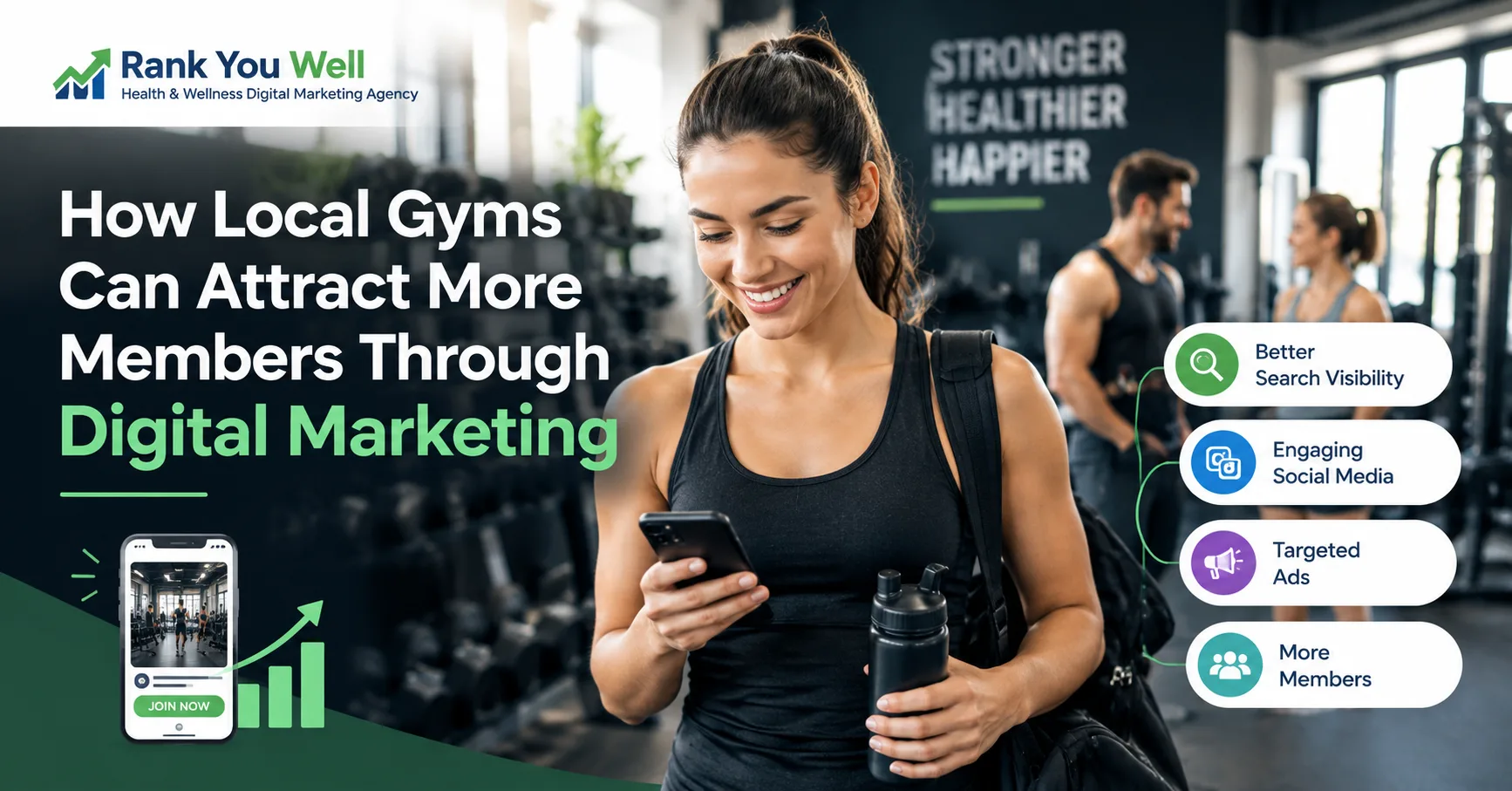
For a local gym, attracting new members often starts with being visible in the right place at the right time. Someone moving into a neighbourhood may search for nearby gyms, while another person may compare membership prices, personal trainers, group classes, and opening hours before deciding where to join.
Even a well-equipped gym can miss opportunities if potential members cannot find accurate information online. A practical digital marketing strategy helps local gyms communicate their services, reach people in their area, and make it easier for interested visitors to enquire about membership.
Why Local Gyms Need a Digital Marketing Strategy
Local gyms compete on several factors, including convenience, facilities, pricing, atmosphere, and the services available.
Potential members want to know whether a gym fits their schedule, budget, and training preferences. If the website does not answer these questions, they may choose a competitor whose information is easier to access.
Digital marketing for gyms should therefore focus on two connected goals: helping relevant people discover the business and giving them enough information to take the next step.
1. Improve Your Local Search Visibility
Local search is an important starting point for gyms that depend on nearby customers.
Create and maintain an accurate Google Business Profile. Include the correct address, telephone number, opening hours, website, and relevant business categories. Add authentic photographs of your equipment, training areas, and facilities.
Keep your business information consistent across your website and important directories. Update holiday hours and service details when they change.
Your website should also have a useful location page explaining where the gym is, which facilities it provides, and how prospective members can enquire or arrange a visit.
Use local search terms naturally where they help describe the business. Avoid repeating neighbourhood names unnaturally or creating multiple pages with nearly identical content.
2. Make Membership Information Easy to Find
Membership uncertainty can prevent people from contacting a gym.
Your website should explain the available plans, facilities, class options, and additional services. If prices depend on the membership type, explain those differences clearly.
Include information about contract length, joining fees, cancellation terms, trial sessions, and other conditions where applicable.
Use clear calls to action such as "Explore Memberships," "Book a Gym Tour," or "Ask About a Trial."
A short enquiry form can collect the information needed to respond without asking potential members to complete a lengthy questionnaire.
Check the website on mobile devices to ensure visitors can quickly find the telephone number, address, and booking information.
3. Use Content Marketing to Answer Local Customers' Questions
Content marketing can help local gyms explain their services while supporting their online visibility.
Consider publishing articles such as:
- What Should Beginners Look for When Choosing a Local Gym?
- How to Compare Gym Membership Plans
- What to Expect During Your First Gym Visit
- Is Personal Training Right for Your Fitness Goals?
- How to Choose Between Group Classes and Independent Training
Each article should provide a useful answer rather than repeat keywords.
You can also create content about your own facilities, classes, trainers, and membership options. Keep claims accurate and avoid guaranteeing specific physical or health outcomes.
Link articles to relevant service pages so readers can learn more about the classes or membership options discussed.
4. Use Social Media to Build Familiarity
People may feel more comfortable visiting a gym when they already understand its environment.
Social media can introduce trainers, show equipment, explain class formats, and communicate changes to schedules or membership options.
Short videos can provide a tour of the facilities or demonstrate how to book a group class. Posts can also answer common questions about parking, opening hours, or available equipment.
Use authentic photographs that reflect the actual gym. Obtain appropriate permission before publishing identifiable images of members.
Rather than posting only discounts, combine promotional messages with useful information that helps people understand what makes your gym suitable for them.
5. Run Targeted Advertising With a Clear Offer
Paid advertising can help promote a specific service or membership opportunity to people in relevant areas.
A gym might advertise a tour, an introductory session, a new class, or a clearly defined membership offer.
The landing page should match the advertisement and explain the conditions of the offer. Avoid vague promises or misleading countdowns that create artificial urgency.
Set a budget before launching a campaign and measure the results. Track enquiries, booked tours, trial registrations, and new memberships rather than relying only on clicks.
If the campaign attracts visitors who do not convert, review the audience, offer, landing page, and follow-up process.
6. Follow Up With Enquiries Professionally
Marketing can generate enquiries, but a slow or confusing response may cause potential members to lose interest.
Create a straightforward process for responding to website forms, telephone enquiries, and messages. Explain membership options clearly and offer a convenient way to arrange a visit.
Follow up appropriately with people who have requested information, while respecting their communication preferences and applicable marketing rules.
Avoid repeated unsolicited messages. A professional response should make it easier for someone to make an informed decision without feeling pressured.
7. Encourage Retention and Genuine Referrals
Existing members can contribute to a gym's long-term growth through continued memberships and voluntary recommendations.
Keep members informed about classes, facility updates, and membership changes. With appropriate consent, use email or messaging channels to share relevant information.
Ask for honest feedback and address recurring concerns about equipment, scheduling, or service quality.
If you introduce a referral program, explain the conditions clearly and comply with applicable platform policies and advertising requirements. Never buy reviews or require members to leave positive ratings.
8. Measure the Results of Your Marketing
Digital marketing services for local gyms should be evaluated against business goals.
Track local search visibility, website enquiries, calls, booked tours, trial registrations, and new memberships. Where possible, identify which marketing channels generate relevant enquiries.
If your website receives traffic but few membership requests, improve the clarity of your membership information and booking process. If advertising generates enquiries but few visits, review response times and the quality of the offer.
Regular reporting helps you focus resources on the activities that make a meaningful difference.
When Should a Gym Hire a Marketing Agency?
Managing SEO, social media, advertising, and website improvements can be challenging for gym owners who already have busy schedules.
Rank You Well helps health and wellness businesses develop digital marketing strategies tailored to their services and goals. A discussion with a marketing provider should cover your target area, membership priorities, budget, reporting, and the work included.
Conclusion
Digital marketing for gyms is most effective when it helps local customers move from discovery to membership with minimal confusion.
Improve your local listings, explain membership options clearly, publish helpful content, and maintain a convenient enquiry process. Measure the enquiries and memberships generated by your efforts, then refine the strategy based on what you learn.