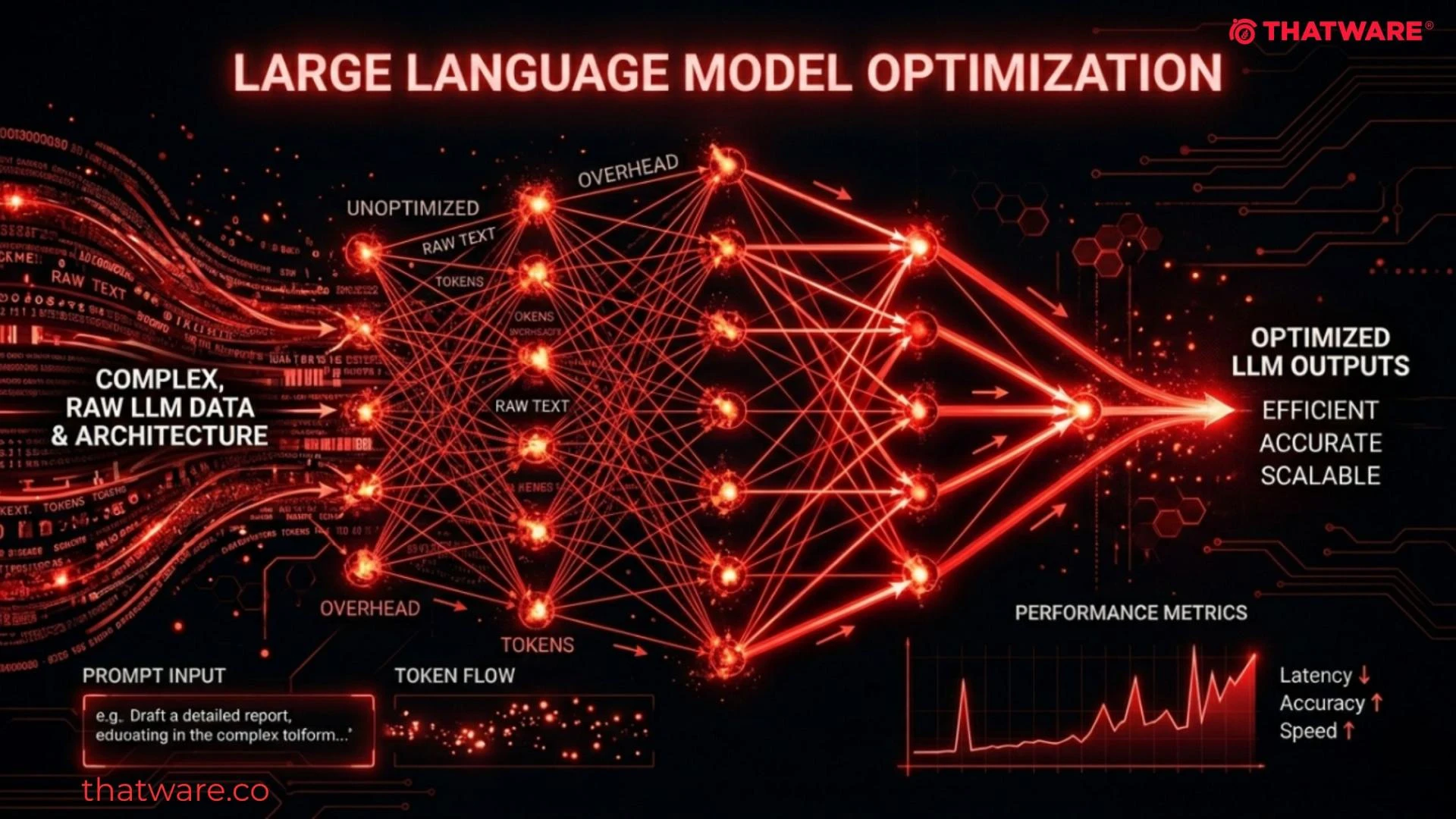
In today’s AI-driven digital landscape, simply creating high-quality content is no longer enough to rank well in search results. Large Language Model Optimization (LLM) is transforming the way businesses improve visibility, ensuring content aligns with advanced AI algorithms.
By leveraging techniques that optimise content for generative AI and search engines powered by large language models, companies can reach their target audience faster and more effectively. With the right LLM strategies, businesses gain higher engagement, improved search rankings, and better conversion rates, making it an essential part of modern digital marketing and content strategy.
Understanding LLM
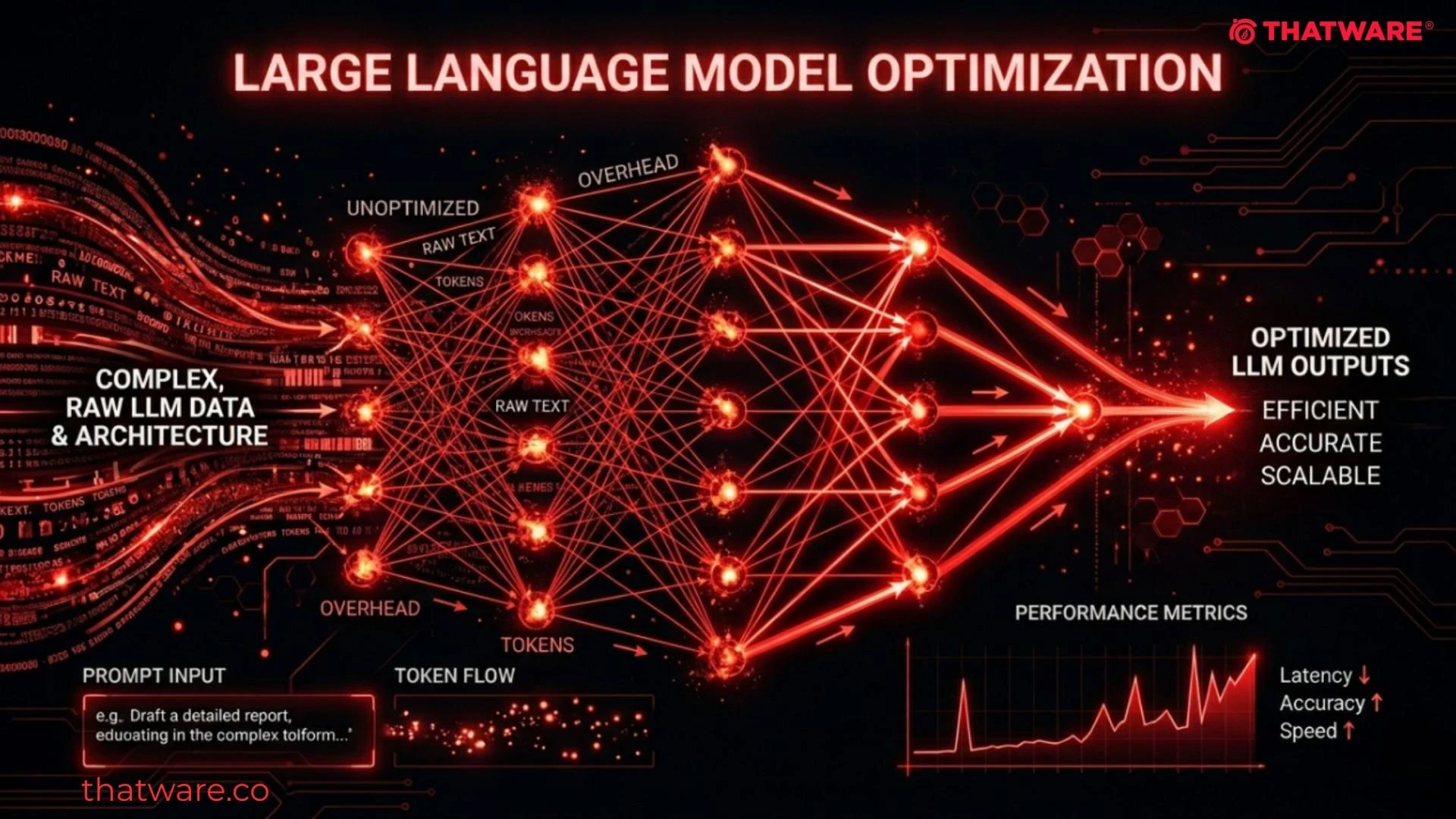
Large Language Model Optimization focuses on refining content so AI-driven search engines, such as ChatGPT, Google’s SGE, and other generative engines, can interpret and present it effectively. Unlike traditional SEO, which primarily targets keywords and backlinks, LLM SEO ensures that content is semantically rich, contextually relevant, and aligned with AI search patterns.
Optimizing for GEO services means your content can appear in AI-generated responses, featured snippets, and conversational search results, dramatically increasing the chances of attracting targeted traffic and meaningful engagement.
Semantic and Contextual Relevance
One of the primary benefits of LLM SEO optimization is semantic alignment. Modern AI search engines analyse the intent behind queries rather than just matching keywords. By structuring content around topics, entities, and context, businesses can ensure that their information is understood correctly and ranked higher.
Semantic and contextual optimisation allows AI to connect the content with relevant search queries, meaning your content is more likely to appear in generative answers and recommendation algorithms. This not only improves visibility but also drives quality traffic.
Structured Content for AI Search
Optimising content for LLM performance tuning requires proper structuring. Using headings, bullet points, metadata, and internal linking makes it easier for AI algorithms to parse and highlight key information. Structured content ensures that generative engines can present your material accurately in snippets, summaries, or answer boxes.
By making content machine-readable without sacrificing human readability, businesses can achieve faster rankings and stronger engagement, bridging the gap between traditional SEO and AI-driven search strategies.
Leveraging AI Insights and Predictive SEO
LLM optimization techniques aren’t just about content formatting; it also involves data-driven strategy. By analysing search trends, user queries, and AI-generated content recommendations, businesses can predict which topics will perform best.
Advanced LLM SEO techniques also allow for continuous optimisation: updating content based on performance metrics, user intent shifts, and AI evaluation ensures content remains relevant, improving both traffic and ROI over time.
Enhancing User Engagement and Conversion
Content optimized for large language models tends to be more useful, informative, and engaging. By aligning with AI understanding, your content becomes easier to consume, share, and act upon.
This naturally increases user satisfaction, dwell time, and conversion rates, reinforcing the benefits of ranking higher in search results.
Conclusion
Large Language Model Optimization is a game-changer for businesses aiming to rank faster, attract targeted traffic, and enhance user engagement. By focusing on semantic relevance, structured content, and predictive insights, companies can maximise their visibility in AI-driven search environments.
To implement advanced LLM SEO strategies and optimise your content for generative engines, businesses can explore the innovative solutions offered by ThatWare LLP, a leader in AI-driven SEO and LLM services.