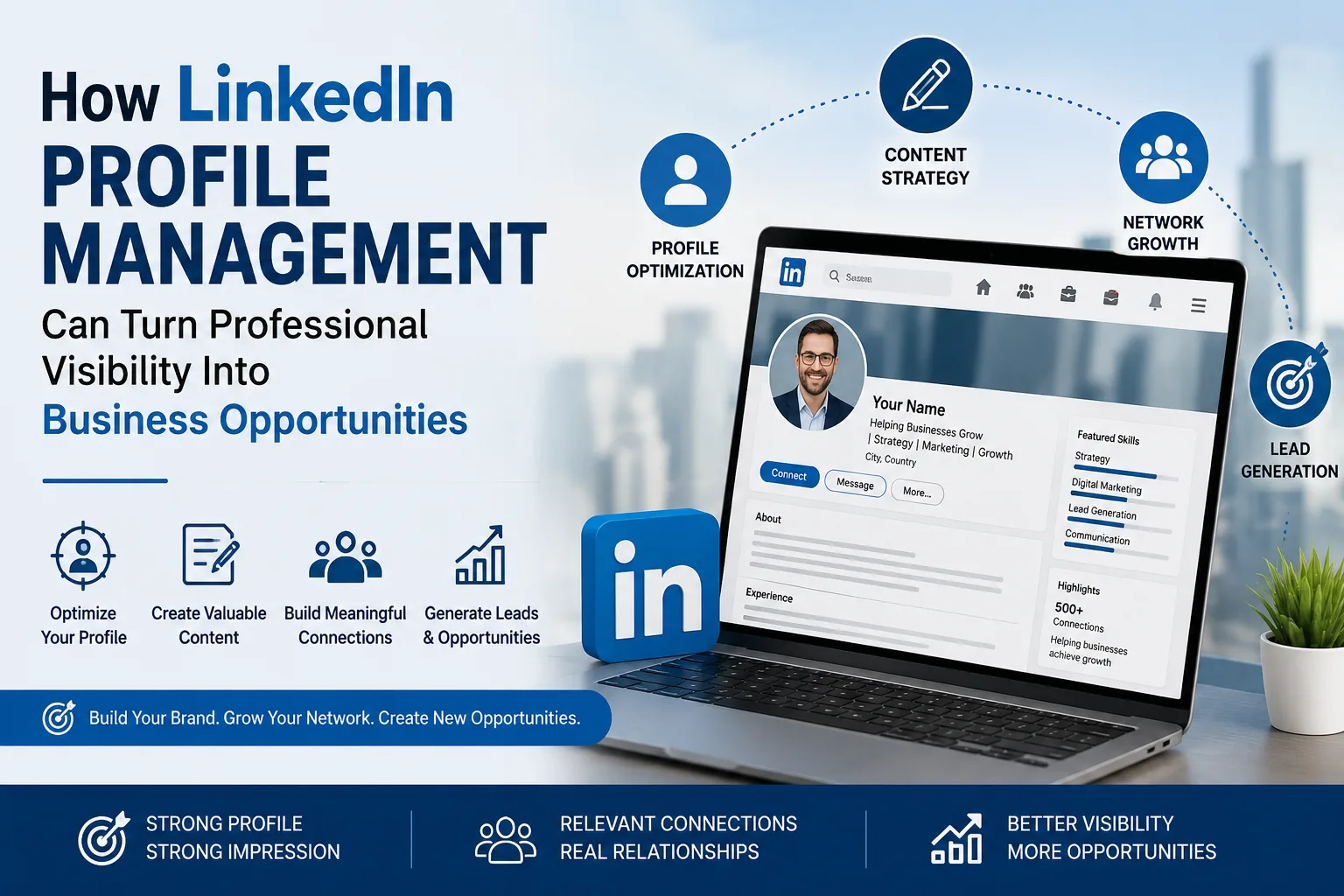
For entrepreneurs, consultants, executives, and business professionals, LinkedIn is more than an online resume. A well-managed profile can communicate professional expertise, strengthen credibility, expand industry connections, and create opportunities for meaningful business conversations.
However, simply creating a profile is not enough. The profile needs to clearly communicate who you are, what you do, and the value you bring to your industry. Regular profile management can help professionals maintain a consistent and credible presence while adapting their messaging as their experience and business goals develop.
Start With a Strong Professional Profile
The first step is optimizing the profile itself. A clear headline should explain the professional role and area of expertise, while the About section can communicate experience, strengths, achievements, and business interests.
Relevant keywords can also be naturally incorporated into profile sections so that the profile better represents the professional services or expertise being offered. A professional profile photo, updated experience section, relevant skills, and useful featured content can further improve how visitors understand the person or business.
Businesses and executives that need help managing their presence can consider LinkedIn management services to develop a more structured approach to profile optimization and professional communication.
Build Authority Through Consistent Content
A strong LinkedIn presence also depends on what a person shares after the profile is optimized. Posting useful industry insights, practical experiences, case studies, professional opinions, and educational content can help demonstrate expertise.
Content should be created with a specific audience in mind. For example, a consultant might share practical business advice, while a technology professional could discuss industry developments or useful solutions. Consistency matters, but posting frequently without a clear purpose can make content less effective. A better approach is to develop a LinkedIn content strategy based on the target audience, professional objectives, and topics that are relevant to the industry.
Turn Networking Into Relationships
LinkedIn networking should go beyond collecting connections. Personalized connection requests, thoughtful comments, meaningful conversations, and relevant follow-ups can help professionals develop stronger relationships.
For B2B businesses, this can create opportunities to connect with potential clients, partners, investors, recruiters, and industry professionals. The focus should be on starting genuine conversations rather than immediately promoting a product or service.
Connect LinkedIn With a Wider Marketing Strategy
LinkedIn can become more effective when it works alongside other digital marketing activities. A broader digital marketing strategy can combine LinkedIn activity with SEO, lead generation, paid advertising, content marketing, and other channels to support wider business objectives.
This approach can help businesses maintain consistent messaging across different platforms while using each channel for its specific purpose.
Focus on Long-Term Professional Growth
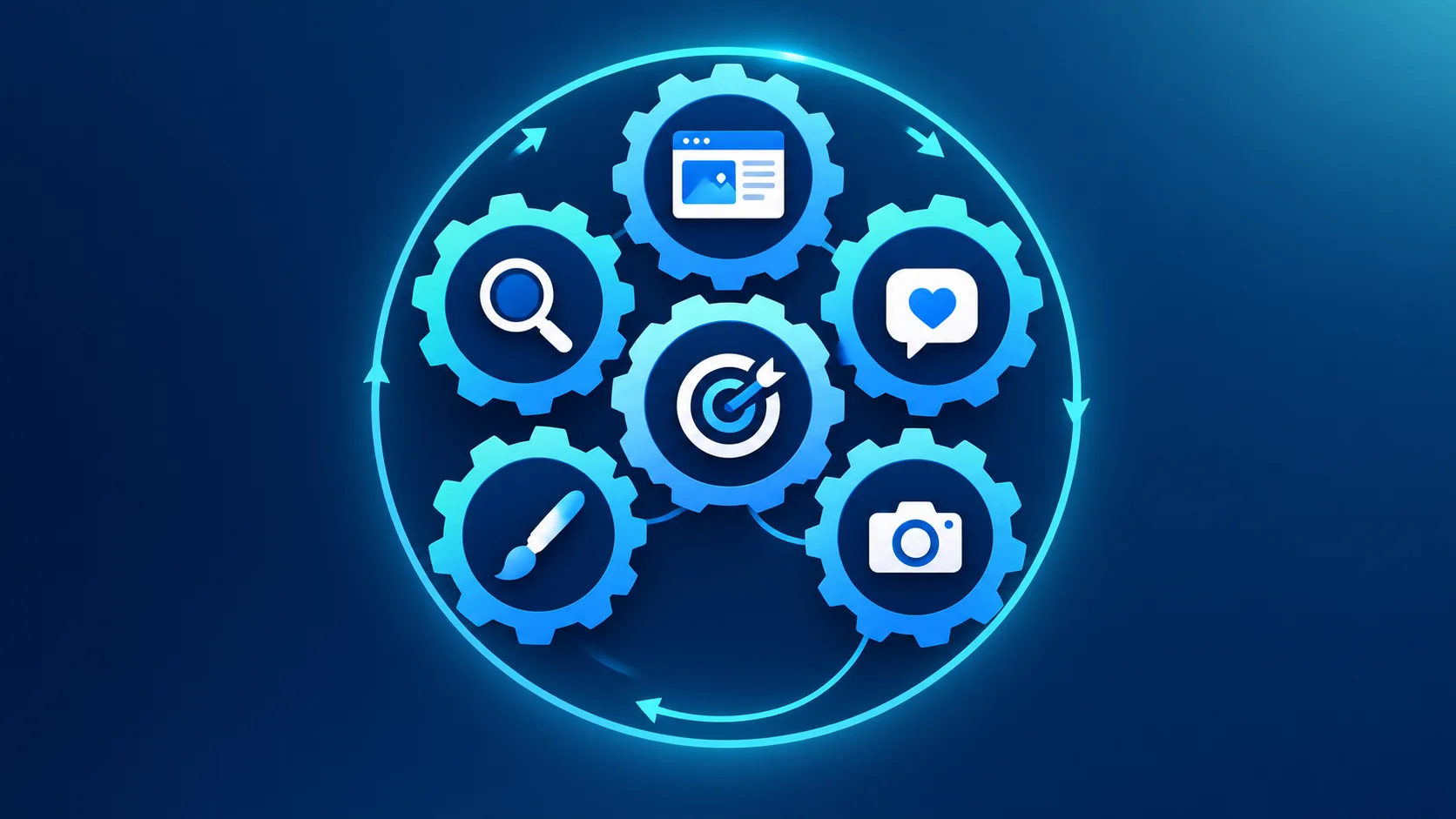
LinkedIn management is most effective when profile optimization, content, networking, and engagement work together. Professionals should regularly review their profile, monitor engagement, identify relevant connections, and refine their content based on audience response.
The objective is not simply to increase profile views or connection numbers. The real value comes from building a credible professional presence that attracts the right audience and creates opportunities for genuine business relationships.
A consistent LinkedIn strategy can therefore help professionals move from simply being visible online to becoming more recognizable, trusted, and connected within their industry.