Introduction to LED Grow Lights in Greenhouses
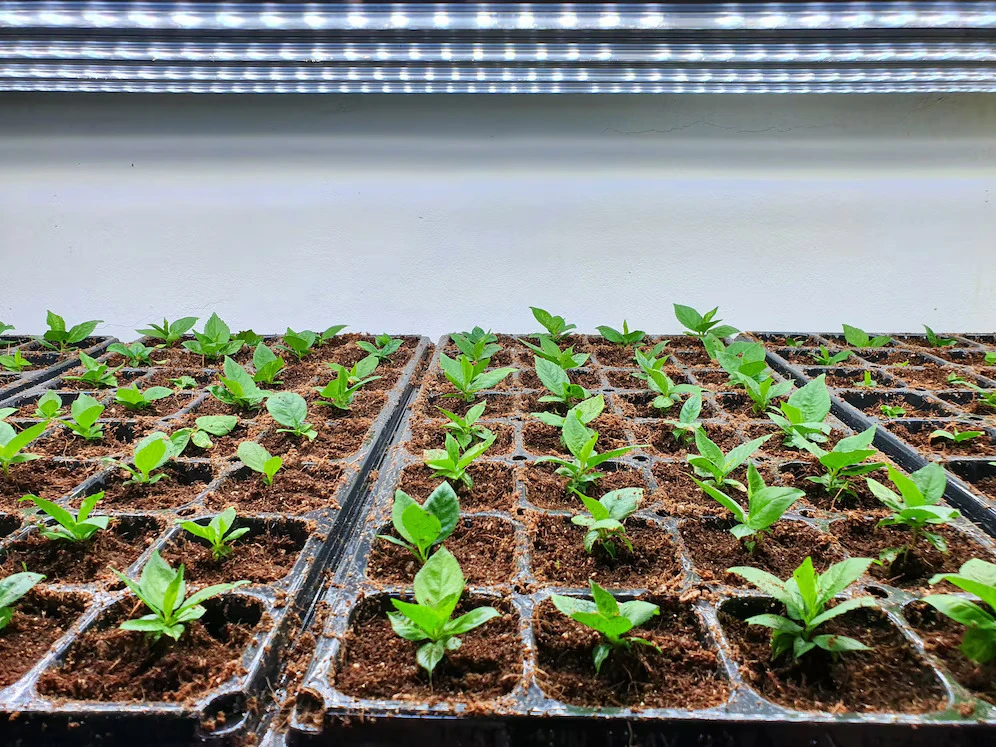
Greenhouse farming has revolutionize agriculture by providing a controlled environment for plant growth. However, natural sunlight alone is often insufficient, especially in regions with limited daylight hours. To address this challenge, growers have turned to LED Grow Lights for Greenhouse applications.
These lights deliver a precise spectrum of light tailored for plant growth, optimizing photosynthesis and improving yields. Unlike traditional lighting solutions, LED Grow Lights for Greenhouse farming consume less energy while providing targeted light wavelengths that plants need to thrive.
Why Greenhouse Plants Need Artificial Lighting
Plants rely on light for photosynthesis, a process that enables them to convert light energy into food. While natural sunlight is ideal, greenhouse cultivation often requires supplemental lighting to maintain consistent plant growth.
Key Reasons for Using Artificial Lighting:
- Seasonal Light Variation – During winter or cloudy days, sunlight may not be sufficient for optimal plant growth.
- Controlled Growth Cycles – With artificial lighting, growers can regulate light exposure to encourage flowering and fruit production.
- Enhanced Photosynthesis Efficiency – By providing the right spectrum, artificial lighting improves plant metabolism and energy conversion.
Using LED Grow Lights for Greenhouse environments ensures that plants receive the necessary light, regardless of external conditions.
How LED Grow Lights Benefit Greenhouse Cultivation
The introduction of LED Grow Lights for Greenhouse applications has significantly improved indoor farming. These lights provide:
- Better Light Spectrum Control – LED lights offer a balanced spectrum, catering to different growth stages.
- Longer Lifespan – High-quality LED fixtures last significantly longer than traditional bulbs.
- Lower Heat Emission – Unlike HID or HPS lamps, LEDs generate less heat, reducing the need for cooling systems.
- Environmentally Friendly Operation – With reduced energy consumption, LED technology supports sustainable farming practices.
By incorporating LED Grow Lights for Greenhouse settings, growers can maintain optimal conditions for plant health while lowering operational costs.
The Role of Full-Spectrum Lighting in Greenhouses
Full-spectrum lighting replicates natural sunlight, providing plants with the wavelengths they need for photosynthesis. LED Grow Lights for Greenhouse environments offer:
- Blue Light for Vegetative Growth – Encourages strong root and leaf development.
- Red Light for Flowering and Fruiting – Promotes blooming and fruit production.
- UV and Infrared Light – Supports plant resistance to pests and diseases.
With full-spectrum LED Grow Lights for Greenhouse setups, plants experience healthier and more consistent growth throughout their life cycle.
Energy Efficiency and Cost Savings
Energy costs are a major concern for greenhouse growers. Traditional lighting systems consume excessive electricity and generate high levels of heat, increasing cooling expenses.
Using LED Grow Lights for Greenhouse operations offers:
- Up to 50% Energy Savings – LEDs require less power to produce the same light output as traditional lamps.
- Reduced HVAC Costs – Lower heat emission means minimal cooling requirements.
- Government Incentives – Many regions offer rebates for switching to energy-efficient LED lighting.
By adopting LED Grow Lights for Greenhouse environments, farmers can significantly lower their energy expenses while maintaining optimal growing conditions.
Impact on Plant Growth and Yield
The effectiveness of LED Grow Lights for Greenhouse farming extends beyond energy savings—they also directly impact plant development and productivity.
How LEDs Improve Growth:
- Faster Growth Cycles – Optimized lighting schedules accelerate plant maturity.
- Higher Yields – Better photosynthesis efficiency results in increased production.
- Stronger Plants – Controlled light exposure enhances plant resilience and health.
Growers using LED Grow Lights for Greenhouse settings report improved harvests with better-quality produce.
California LightWorks: Leading the Industry
When it comes to high-performance LED Grow Lights for Greenhouse farming, California LightWorks is a top choice. Their advanced LED technology provides greenhouse growers with:
- Customizable Spectrum Control – Adjustable settings for different plant stages.
- Energy-Efficient Operation – Lower power consumption compared to traditional lights.
- Durability and Longevity – Designed to withstand greenhouse conditions.
- Smart Lighting Systems – Automated controls for optimized growth cycles.
By investing in California LightWorks, greenhouse growers can achieve superior plant health and increased efficiency in their operations.
Conclusion
LED Grow Lights for Greenhouse applications have revolutionized indoor farming by providing an efficient, cost-effective, and sustainable lighting solution. Compared to traditional systems, LEDs offer better energy savings, improved plant growth, and a longer lifespan. Brands like California LightWorks continue to lead the industry by offering cutting-edge solutions tailored for greenhouse cultivation.
Greenhouse growers looking to improve productivity and sustainability should consider adopting LED Grow Lights for Greenhouse operations for better results.
Frequently Asked Questions
1. How do LED Grow Lights benefit greenhouse farming?
LED Grow Lights for Greenhouse farming provide a balanced light spectrum, lower energy consumption, and better heat management, resulting in healthier plants and higher yields.
2. Are LED grow lights cost-effective for greenhouses?
Yes, LED Grow Lights for Greenhouse environments reduce energy costs, require less maintenance, and offer longer lifespans, making them a cost-effective choice.
3. How does California LightWorks compare to other LED brands?
California LightWorks offers premium LED lighting solutions with advanced spectrum control, energy efficiency, and durability, making it a leading choice for greenhouse growers.
4. Do LED grow lights replace natural sunlight in greenhouses?
No, but they supplement natural light, especially in low-light conditions, ensuring plants receive optimal light for growth.
5. What spectrum is best for greenhouse plants?
A full-spectrum LED system with blue, red, UV, and infrared wavelengths provides the best results for greenhouse cultivation.