Healthy skin naturally renews itself through a continuous process of shedding old cells and producing new ones. However, as we age, this natural renewal cycle gradually slows down. Factors such as prolonged sun exposure, environmental pollution, acne scarring, and lifestyle habits can further affect skin texture, tone, and overall appearance. As collagen production decreases over time, the skin may develop fine lines, uneven pigmentation, rough texture, and visible imperfections.
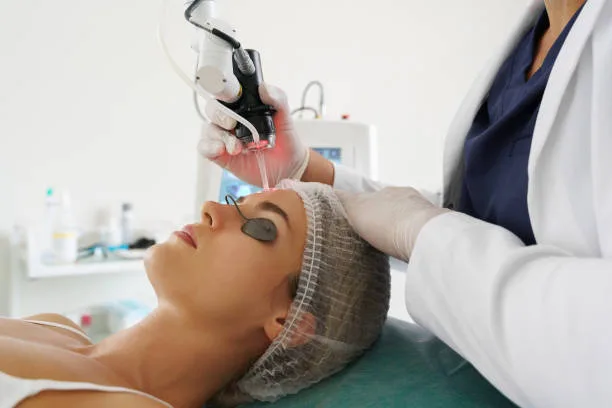
Modern laser skin resurfacing technology offers an advanced approach to improving skin quality by working with the body's natural healing mechanisms. Rather than simply treating the surface, this technology precisely targets specific areas within the skin to stimulate collagen production and encourage healthy cellular renewal. Over time, the skin gradually becomes smoother, firmer, and more even in appearance while maintaining its natural characteristics.
Common Skin Concerns Addressed
Laser skin resurfacing is commonly recommended for individuals seeking improvement in various skin concerns, including:
- Fine lines and wrinkles
- Uneven skin texture
- Acne scar appearance
- Sun-related skin damage
- Irregular skin tone
- Enlarged pores
- Mild pigmentation irregularities
Because every individual's skin is unique, treatment plans are typically customised to address specific concerns while considering skin type, texture, and desired outcomes.
How Fractional Laser Technology Works
Fractional laser systems use advanced technology to create thousands of microscopic treatment zones within the skin while leaving the surrounding healthy tissue untouched. This fractional approach allows the untreated areas to support faster healing, making recovery more efficient compared to traditional fully ablative resurfacing techniques.
The controlled micro-injuries activate the body's natural repair response, encouraging the production of new collagen and elastin fibres. As collagen remodels over the following weeks and months, the skin gradually develops a smoother texture, improved elasticity, and a more refined appearance. Because the treatment stimulates the skin's own regenerative processes, improvements continue to develop progressively rather than appearing immediately.
Factors That Influence Treatment Results
Several factors can influence how the skin responds to laser resurfacing and the overall outcome of treatment:
- Individual skin condition and concerns
- Skin type and natural healing response
- Treatment intensity and depth
- Age and collagen production levels
- Consistent use of sun protection
- Following the recommended skincare routine
- Adherence to professional aftercare instructions
Since skin renewal is a gradual biological process, visible improvements typically occur over time as collagen continues to rebuild beneath the surface. Protecting the treated skin from ultraviolet exposure is particularly important during recovery, as it supports healthy healing and helps preserve treatment results.
A personalised consultation allows the treatment plan to be tailored according to individual skin characteristics and aesthetic goals. Combined with appropriate aftercare and a consistent skincare routine, laser skin resurface can support long-term improvements in skin texture, tone, and overall skin quality while maintaining a naturally refreshed appearance.