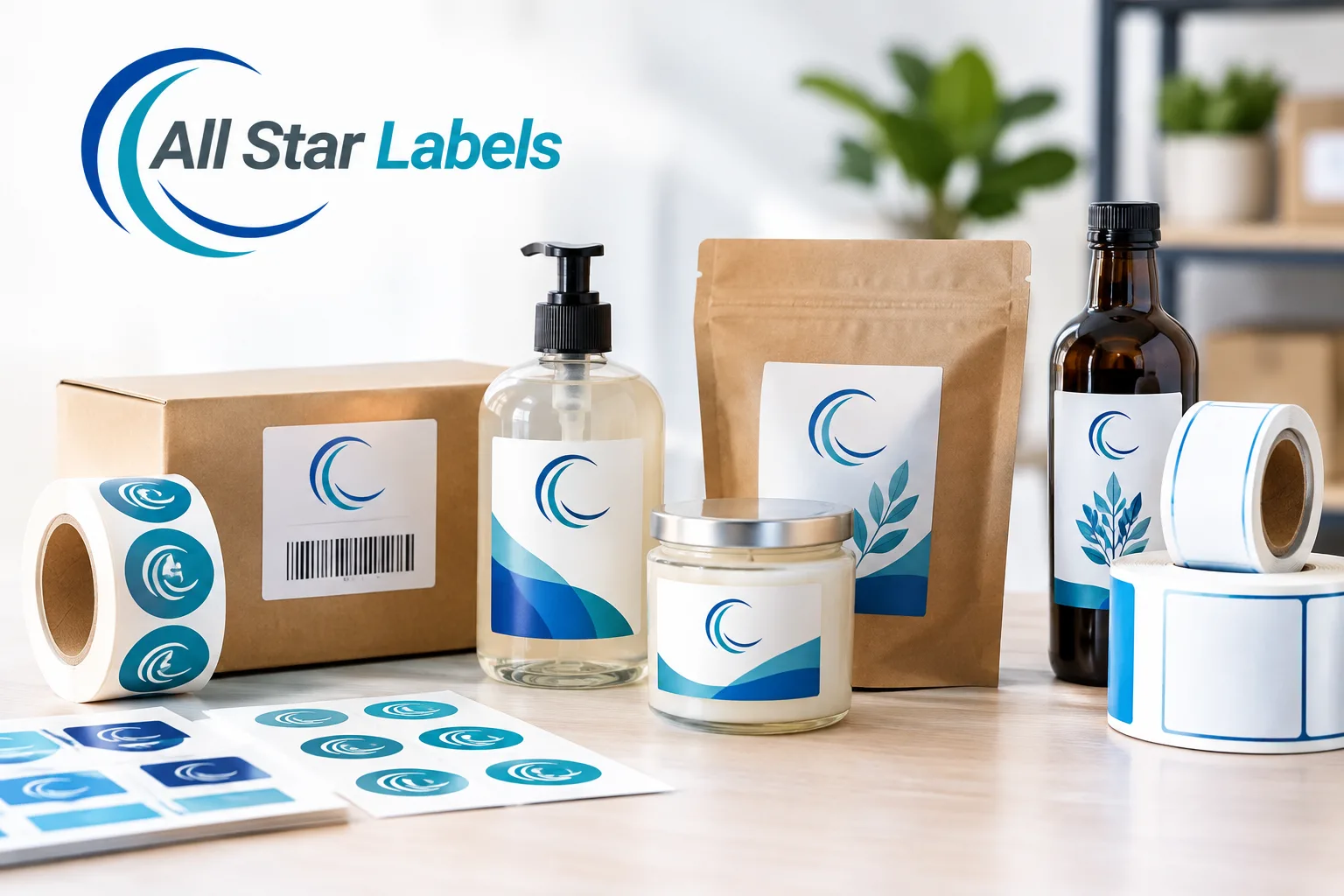
Before someone checks the ingredients, compares specifications, or tries a product, its packaging is often the first thing they notice. A well-designed label can make an ordinary product look professional, communicate useful information, and create a positive impression. Whether it is a bottle on a retail shelf, a box in an online order, or a packaged item in a warehouse, the right label helps the product stand out.
However, attractive design is only one part of effective product presentation. The printing quality, material, durability, and readability of a label also matter. Businesses need labels that look good while remaining clear and reliable throughout storage, handling, and transportation. This is where choosing the right printing supplies and working with an experienced label manufacturer can make a noticeable difference.
1. Creating a Strong First Impression
Customers often make quick judgments based on packaging. A clean, well-printed label can make a product appear more trustworthy and carefully presented. On the other hand, faded text, uneven printing, or poorly positioned information may affect how customers view the product.
Labels give businesses an opportunity to communicate their brand identity without saying a word. Colors, fonts, logos, and product details all contribute to the overall appearance.
A professional label should ideally include:
- A clear and recognizable brand name.
- Readable product information.
- Consistent colors and typography.
- High-quality graphics and printing.
- A layout that suits the product's packaging.
These details may seem small, but together they help create a more polished presentation.
2. Choosing the Right Printing Materials
Even an attractive label design can lose its appeal if the printing quality is poor. Selecting suitable printing materials is therefore an important part of the labeling process.
For businesses using thermal transfer printers, the ribbon plays a major role in determining the final print quality. A suitable thermal transfer ribbon helps produce sharp text, clear barcodes, and consistent graphics on compatible label materials.
Different applications require different ribbon types. For example, products stored in dry indoor environments may have different printing requirements from items exposed to moisture, chemicals, or frequent handling.
Choosing the right combination of label material and ribbon helps businesses maintain a professional appearance while ensuring that important information remains readable.
3. Understanding Different Types of Thermal Transfer Ribbons
Not every ribbon is suitable for every labeling application. Understanding the available options makes it easier to select printing supplies according to product requirements.
Here are three commonly used options:
Wax Thermal Transfer Ribbon
Wax ribbons are generally used for printing on paper labels. They are a practical choice for everyday applications such as retail price tags, shipping labels, and inventory identification.
They offer good print quality for standard labeling needs and are often selected for applications where extreme resistance is not required.
Wax Resin Ribbon
A wax resin ribbon combines wax and resin components to provide greater durability than standard wax ribbons in many applications. It is commonly used when businesses need clearer printing with improved resistance to smudging and abrasion.
This option can work well for product labels that experience regular handling or require longer-lasting printed information.
Resin Thermal Transfer Ribbon
A resin thermal transfer ribbon is designed for applications that demand greater print durability. It is commonly used with suitable synthetic label materials, particularly where resistance to chemicals, heat, moisture, or abrasion is important.
Industries such as manufacturing, healthcare, automotive, and chemical packaging may require this type of printing solution, depending on their specific operating conditions.
Selecting the correct ribbon helps businesses avoid unnecessary printing problems and maintain consistent label quality.
4. Improving Barcode and Product Information Readability
A product label does more than display a logo or attractive design. It also carries essential information that customers, retailers, and warehouse employees rely on.
Barcodes, batch numbers, manufacturing dates, expiry dates, and product descriptions must remain easy to read. Poor print quality can create confusion and may even lead to scanning difficulties during stock management or checkout.
Using a compatible thermal printer ribbon helps businesses produce clear and consistent printed information. It is particularly useful for applications where labels need to remain readable throughout the product's lifecycle.
Businesses should also pay attention to font size, spacing, contrast, and label placement. A well-organized design makes information easier to find and improves the overall customer experience.
5. Maintaining Brand Consistency Across Products
Customers recognize brands through repeated visual elements. When products from the same company use consistent labeling styles, they create a more recognizable identity.
For example, a business selling different varieties of skincare products may use the same logo placement, typography, and color scheme across its packaging. Individual product names and descriptions can change, but the overall design remains familiar.
Consistent printing quality is equally important. Faded logos or uneven text can make different products look as though they belong to separate brands.
Businesses should therefore focus on both design consistency and reliable printing materials. Working with an experienced supplier such as All Star Labels can help businesses find suitable labeling solutions for their product presentation requirements.
6. Why Quality Labels Matter for Business Growth
Good labeling is not simply about making packaging attractive. It can also support daily business operations and improve customer confidence.
Some of the key advantages include:
- Better brand recognition: Consistent labels help customers identify products more easily.
- Professional appearance: High-quality printing gives packaging a cleaner and more polished look.
- Clear communication: Readable labels make product details easier to understand.
- Improved product identification: Clear barcodes and identification information support inventory management.
- Greater durability: Suitable printing materials help labels withstand the conditions they are designed for.
For growing businesses, these benefits can make a meaningful difference. Investing in appropriate labeling materials helps maintain presentation standards as product ranges expand.
7. How All Star Labels Supports Better Product Presentation
At All Star Labels, the focus is on helping businesses achieve reliable and professional labeling results. Choosing the right label materials and printing supplies is an important part of creating packaging that represents a brand effectively.
From everyday product identification to applications requiring more durable printing, businesses need solutions that match their operational requirements. The right thermal transfer printing supplies can help maintain clear text, readable barcodes, and consistent results.
By paying attention to label quality, printing compatibility, and presentation details, businesses can create packaging that communicates professionalism and builds a stronger connection with customers.
Conclusion
Labels have a greater influence on product presentation than many businesses realize. They help establish brand identity, communicate essential information, and give packaging a professional appearance. However, achieving good results requires more than an appealing design.
Choosing suitable printing materials, including wax, wax resin, and resin ribbons, helps businesses maintain the quality and readability of their labels. With the right approach and reliable labeling solutions from All Star Labels, businesses can present their products more effectively and create a consistent brand image.
Frequently Asked Questions (FAQs)
1. How do labels improve product presentation?
Labels improve product presentation by displaying brand identity, product information, and visual elements in an organized and attractive way. They help products look professional and recognizable.
2. What is a thermal transfer ribbon used for?
A thermal transfer ribbon is used with compatible thermal transfer printers to print text, barcodes, logos, and other information onto label materials.
3. What is the difference between wax resin and resin ribbons?
Wax resin ribbons offer a balance of print quality and durability, while resin ribbons generally provide greater resistance to abrasion, chemicals, and other demanding conditions when used with compatible materials.
4. Which ribbon is suitable for durable product labels?
Resin ribbons are commonly preferred for demanding applications that require durable printing. However, the correct choice depends on the label material and environmental conditions.
5. Can high-quality labels help build brand recognition?
Yes. Consistent colors, clear printing, recognizable logos, and professional label designs help customers identify and remember a brand.