Children’s early years are crucial for shaping their personality, communication style, and emotional intelligence. One often overlooked but highly impactful experience in this journey is celebrating birthday parties for kids. Beyond balloons, cake, and games, these gatherings play a powerful role in helping children grow socially and emotionally.
Building Social Skills Through InteractionBirthday parties bring together children from different backgrounds, schools, and neighborhoods. This environment encourages kids to interact with peers outside their usual circle. They learn how to introduce themselves, start conversations, take turns, and participate in group activities. These simple interactions help build essential communication skills that are useful throughout life.
Group games such as musical chairs, treasure hunts, or team-based activities also teach cooperation. Children understand the importance of following rules, waiting patiently, and respecting others. These early social lessons help reduce shyness and improve confidence when interacting in larger groups.
Developing Emotional Awareness and ExpressionOne of the key benefits of celebrations like birthday parties is emotional learning. Kids experience a wide range of emotions—excitement, joy, disappointment, and sometimes even jealousy. Learning to manage these feelings in a positive environment helps develop emotional resilience.
For example, a child may not win a game or may have to wait for their turn. These moments teach patience and coping strategies. At the same time, being celebrated by friends helps boost self-esteem and creates a sense of belonging. Over time, children become more aware of their own emotions and learn how to express them appropriately.
Learning Empathy and SharingAt birthday parties, children naturally learn the importance of sharing—whether it’s toys, food, or attention. This helps develop empathy, as they begin to understand the feelings of others. When a friend is sad or left out, children often respond with kindness, learning the value of supporting others emotionally.
Such experiences help shape compassionate behavior, which is a critical life skill. It also helps children build stronger friendships and trust with their peers.
Encouraging Confidence and IndependenceParticipating in birthday activities allows children to step out of their comfort zone. Whether it’s performing in front of others, joining a game, or making new friends, these small challenges build confidence.
Over time, children become more independent in social settings. They are less afraid to express themselves and more willing to try new experiences. This confidence extends beyond parties into school and other group environments.
Strengthening Parent-Child BondingBirthday celebrations are not just about kids; they also involve family participation. Parents often plan, organize, and supervise activities, which strengthens bonding with their children. Kids feel valued and supported when they see their parents actively involved in their happiness.
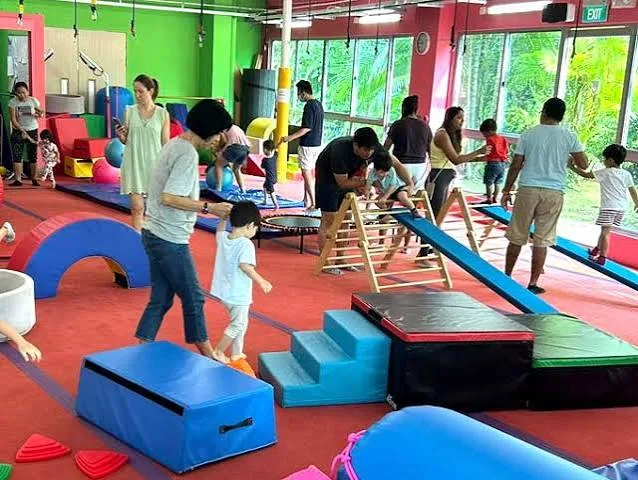
In structured activity environments like those offered by The Little Gym, children also benefit from guided social play that enhances both physical and emotional development.
ConclusionBirthday celebrations are more than just fun events—they are meaningful learning experiences. Through interaction, sharing, emotional expression, and teamwork, children develop essential life skills that shape their future. Well-planned birthday parties for kids can become an important part of a child’s social and emotional growth journey, making celebrations both enjoyable and educational.