The Internet of Things (IoT) has become a game-changer across industries, but its impact on the gaming sector is particularly fascinating. By connecting devices, sensors, and software to the internet, IoT allows games to become more interactive, immersive, and personalized. From arcade halls to smart homes, IoT is bridging the gap between the physical and digital worlds, creating unique experiences for players everywhere.
Understanding IoT in Gaming
IoT in gaming refers to the integration of connected devices and sensors into game ecosystems. These devices can monitor user actions, environmental conditions, or physical movement and feed that data back into the game in real time. Unlike traditional games that rely solely on controllers and screens, IoT-enabled games respond dynamically to real-world stimuli.
IoT devices in gaming can include wearable devices, motion sensors, smart consoles, and even connected furniture. These devices collect data that is then processed by software to create responsive gameplay, adaptive challenges, and real-time feedback.
Applications of IoT in Gaming
1. Immersive Player Experiences
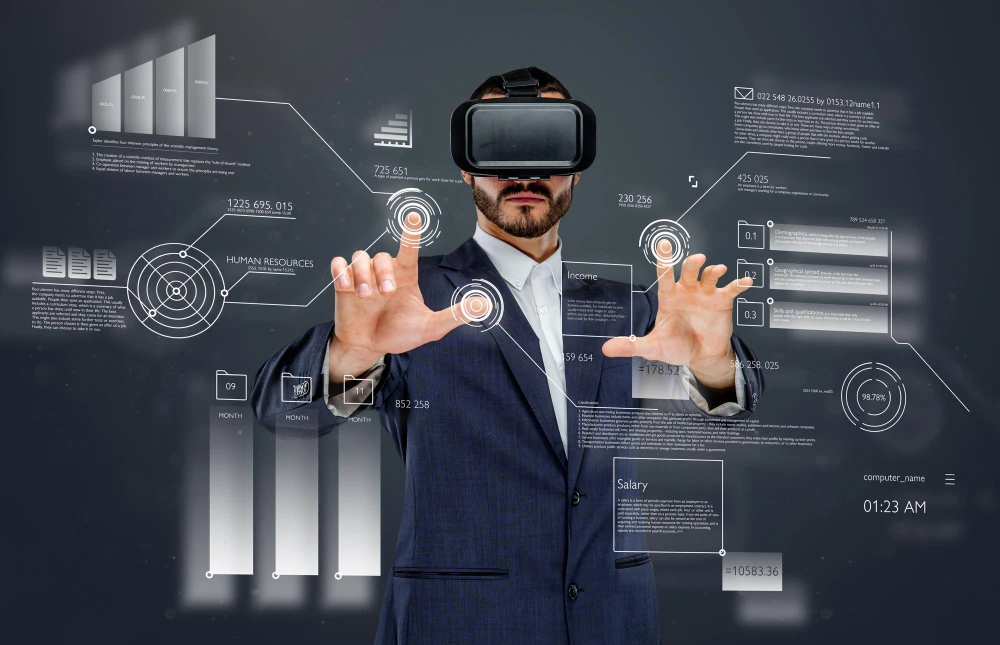
IoT allows developers to create more immersive experiences by connecting real-world movements and actions to in-game responses. For example, a motion sensor in a VR headset or a smart wearable can detect player movements, translating them into precise actions within the game.
2. Connected Arcade Machines
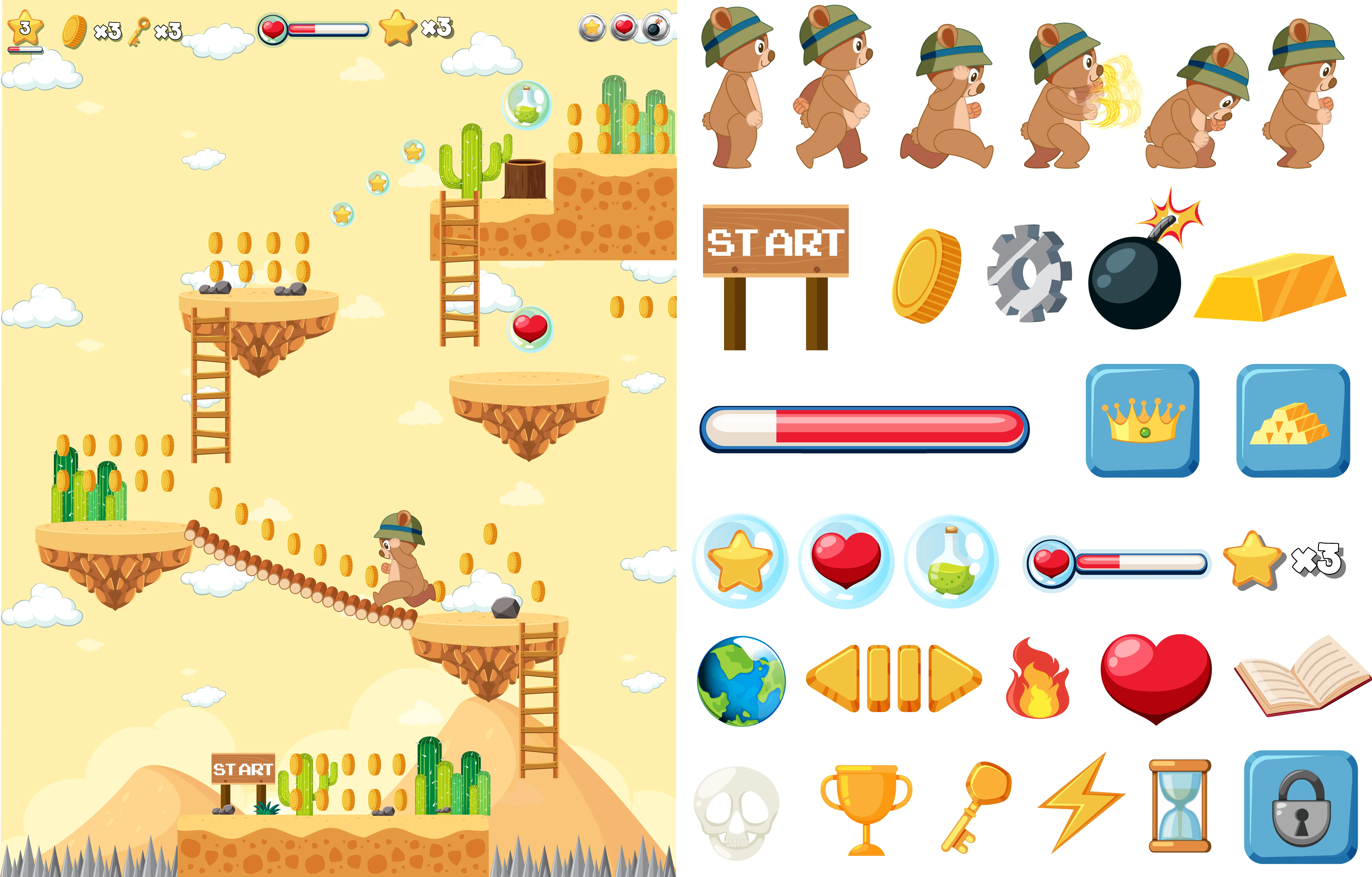
Traditional arcade games are evolving thanks to IoT. Smart sensors and networked systems allow arcade operators to monitor machine usage, track player scores, and even offer real-time challenges across multiple locations. This innovation enhances player engagement and provides operators with valuable analytics.
3. Personalized Gameplay
IoT enables games to adapt to individual player behavior. Wearables can track heart rate, stress levels, and movement patterns, allowing games to dynamically adjust difficulty or provide real-time feedback. This creates a highly personalized gaming experience.
4. Cloud and Remote Gaming
With IoT devices connected to the internet, players can access games from multiple locations and devices. Cloud-based gaming platforms leverage IoT to synchronize gameplay, progress, and scores, ensuring a seamless experience across PCs, consoles, and mobile devices.
How IoT Enhances Arcade Game Software
IoT integration is transforming arcade game software by adding layers of interactivity and analytics. Sensors and connected systems allow software to track player performance, adjust game difficulty automatically, and even implement competitive features where players compete in real time across different machines.
Operators benefit as well, gaining insights into which games are most popular, peak usage times, and maintenance needs. This helps optimize revenue and improve overall player satisfaction.
Benefits of IoT in Gaming
Enhanced Engagement
By linking real-world actions to in-game responses, IoT keeps players more engaged than ever before.
Real-Time Analytics
Developers and operators can collect actionable insights from gameplay, leading to better game design and marketing strategies.
Cross-Device Connectivity
Players can seamlessly switch between consoles, mobiles, and VR systems without losing progress.
Adaptive Experiences
IoT allows games to automatically adjust difficulty or introduce new challenges based on player behavior and environmental inputs.
Challenges in Implementing IoT for Gaming
Security Risks
Connected devices can be vulnerable to hacking. Ensuring secure data transmission and storage is critical to protect player privacy.
Development Complexity
Integrating hardware, software, and network systems in real-time requires specialized skills and careful planning.
Cost of Hardware and Maintenance
IoT-enabled gaming devices require sensors, networking components, and regular updates, which can be expensive for developers and operators.
Data Management
Handling the massive amounts of data generated by IoT devices requires robust infrastructure and analytics tools.
Future Trends in IoT Gaming
AI Integration
Artificial intelligence will enhance IoT games by making NPCs smarter, predicting player behavior, and providing adaptive challenges.
AR and VR Expansion
IoT-enabled augmented and virtual reality games will become more immersive, integrating real-world data for enhanced gameplay.
Edge Computing
Processing data locally on devices rather than sending it to the cloud reduces latency, which is crucial for real-time gaming experiences.
Smart Gaming Hubs
Homes may evolve into fully connected gaming environments where lighting, sound, and even furniture respond to gameplay in real time.
Collaborative Development
Many businesses are now partnering with an IoT development company to design innovative game solutions that combine hardware, software, and analytics for smarter, connected gaming experiences.
Conclusion
IoT is reshaping the gaming landscape, creating experiences that go beyond screens and controllers. As the gaming industry continues to innovate, integrating IoT technologies will be essential for developers and operators looking to stay ahead. With the help of professional IoT development partners, businesses can create games that are interactive, adaptive, and future-ready, making every gameplay experience more engaging than ever.