
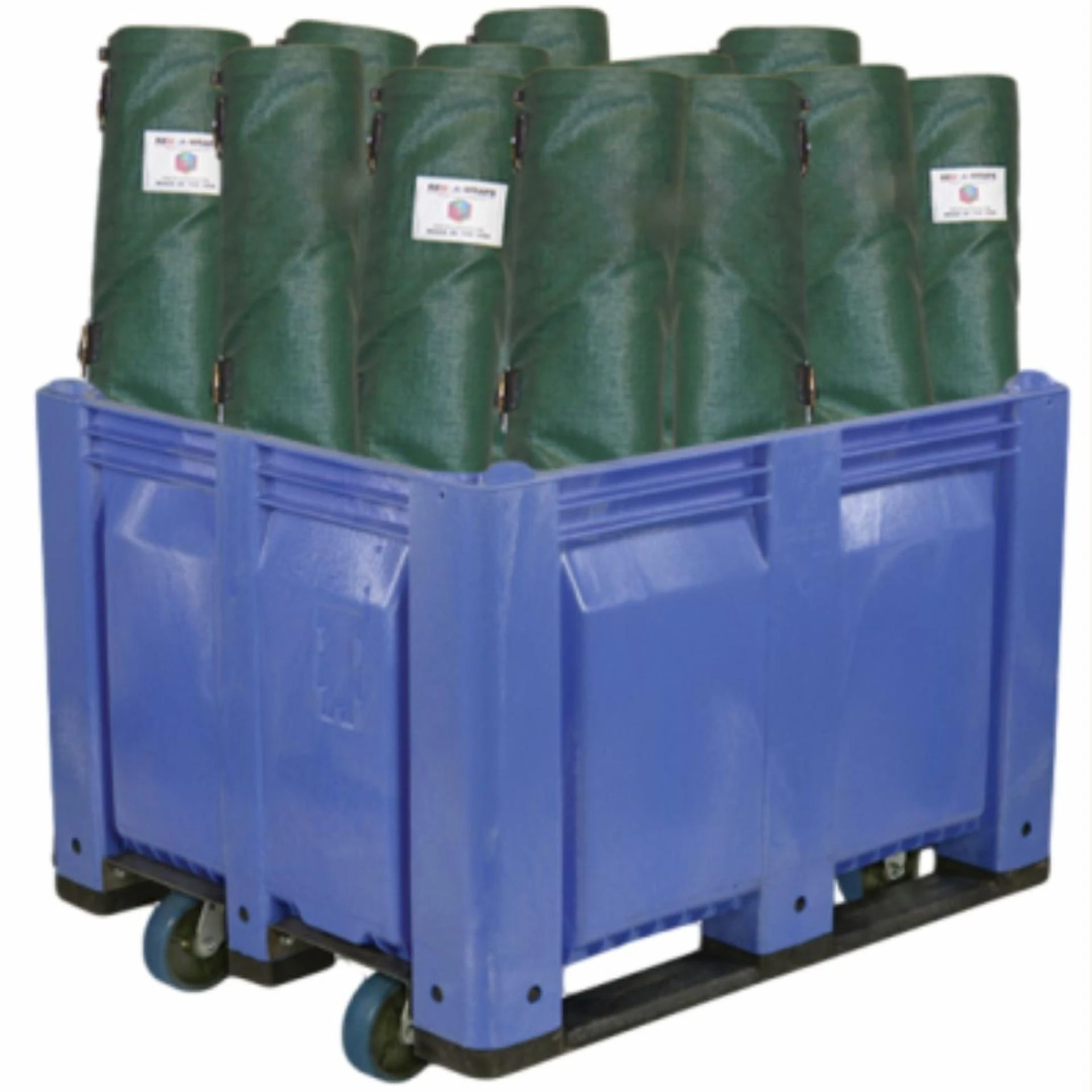
Temperature control decides how safely goods travel and wait across supply chains. In storage rooms, loading docks, and transit points, stability often changes without warning.
This is where the insulated pallet cover becomes the quiet protector, shaping how products stay safe in cold and normal zones alike. This blog is here to show how performance stays steady across different temperatures, without complex systems or heavy tools.
Understanding how this protective layer works across zones helps you see why efficiency, safety, and balance matter more than speed alone. Read ahead to uncover how smart insulation quietly supports consistency from start to finish.
Understanding Thermal Protection Basics
Temperature-sensitive loads respond quickly to their surroundings. Cold air slows reactions, while warm air speeds them up. Insulated covers work by reducing this exchange.
Layers trap air, forming a barrier that resists sudden change. You get smoother transitions when pallets move between spaces. This protection mattered yesterday, matters today, and will matter tomorrow as storage conditions keep shifting.
Unlike rigid systems, covers adapt to movement and pauses alike. In both zones, stability depends on controlled airflow rather than active cooling. That simple idea drives dependable performance without complexity or excess waste.
Performance Inside Refrigerated Zones
Cold rooms are designed to slow temperature rise, yet door openings create instant fluctuations. At this point, the insulated pallet cover acts as a buffer. It holds internal conditions steady while the surrounding air changes. Products stay closer to the target temperature during handling and staging. Moisture buildup is also reduced, helping packaging remain intact.
You benefit from fewer temperature shocks, which can damage quality over time. In refrigerated zones, insulation supports consistency rather than replacing cooling systems. The result is controlled protection that complements existing infrastructure and keeps goods within safe ranges longer.
Behavior in Ambient Storage Areas
Ambient zones may appear stable, but heat, airflow, and light constantly shift. Pallets left unprotected absorb these changes fast. When covered, insulation slows heat gain and loss. These covers help products adjust gradually instead of reacting instantly.
This is valuable during short stops or unexpected delays. You see better control without needing powered equipment. Over time, this gentle buffering preserves product condition and reduces waste. Ambient storage becomes more predictable, even when outside conditions vary throughout the day or season.
Transitioning Between Temperature Zones
Movement between cold and ambient spaces creates the highest risk. Sudden changes stress products and packaging. During transitions, insulation works as a bridge. The insulated pallet cover reduces shock by extending the time it takes for internal temperatures to change.
This delay gives handlers flexibility. Loading takes longer, unloading happens faster, yet internal conditions remain safer. Past handling relied on speed alone. Now, balance leads the process. With better transitions, quality stays protected across every step, even when schedules shift or pauses occur unexpectedly.
Sustainability and Material Responsibility
Modern logistics also values environmental care. Many operations pair insulation with eco-friendly pallet wrap to reduce waste while maintaining protection. Materials are designed to last through repeated cycles. Reusable Stretch Wrap further supports this approach by minimizing single-use plastics.
These choices do not weaken performance. Instead, they add long-term value. Insulation remains effective while environmental impact decreases. Sustainable materials were once optional. Today, they are becoming standard. Protection and responsibility now move together, shaping how storage solutions evolve across industries.
Durability and Reuse Advantages
Repeated handling demands strength. Insulated covers are built to endure folding, stacking, and transport. Over time, the pallet cover proves its worth through reuse. You gain consistent performance without constant replacement. This durability reduces costs and planning stress. In the past, fragile materials limited reuse.
Now, the improved design extends service life. Each cycle reinforces efficiency. Strong seams, flexible layers, and reliable insulation combine to deliver steady results across refrigerated and ambient zones alike.
Operational Efficiency and Handling Ease
Ease of use affects adoption. Covers that install quickly save time. Lightweight designs reduce strain. The insulated pallet cover fits naturally into existing workflows. No special tools are needed. Staff adapts quickly, and processes remain smooth.
Efficiency increases when protection does not slow movement. Handling becomes safer and more predictable. As operations scale, simplicity keeps systems running without disruption. This balance between protection and speed supports long-term success.
Long-Term Value Across Storage Conditions
Short-term fixes often fail under pressure. Insulated covers offer lasting value by working across multiple environments. The insulated pallet cover performed yesterday, adapts today, and will continue tomorrow as needs evolve. You gain flexibility without redesigning infrastructure.
Cold rooms, ambient spaces, and transition points all benefit. Over time, consistency reduces losses and improves reliability. This steady performance builds trust in storage and transport operations.
Conclusion
Across shifting temperatures and storage demands, the insulated pallet cover stands as a simple yet powerful solution. It protects quietly, adapts smoothly, and supports stability without complexity.
By understanding how insulation bridges environments, you gain insight into smarter, steadier protection. The journey of temperature control becomes less about reaction and more about balance, guided by the dependable presence of the insulated pallet cover.