Hair restoration is not a one-size-fits-all process. Every person has different hair density, texture, thickness, colour, growth pattern, and donor area. These factors can influence how a hair transplant is planned and how the final result may look.
For people considering a hair transplant in Turkey, understanding these individual characteristics is important. A well-planned procedure should match the patient's existing hair rather than simply focus on the number of grafts being transplanted.
Turkey has become a popular destination for hair restoration. However, choosing a suitable treatment requires more than comparing package prices. Patients should understand how their own hair characteristics affect treatment planning, technique selection, graft placement and expectations.
Hair Density Helps Determine the Transplant Strategy
Hair density refers to the number of hairs growing within a specific area of the scalp. It can vary significantly between individuals. Some people naturally have dense hair, while others have finer or more widely spaced hair.
This difference matters during hair transplant planning. A person with lower natural density may require a more careful approach to create the appearance of fuller coverage. The surgeon may need to distribute grafts strategically across areas affected by hair loss.
The donor area must also be assessed. If the donor region has good density, it may provide more grafts for transplantation. If donor density is limited, the available grafts must be used carefully.
This is why a professional consultation is an important part of choosing the best hair transplant in Turkey. The focus should be on creating a natural result that suits the patient's existing hair characteristics.
Hair Thickness Can Affect the Appearance of Fullness
Hair thickness is another important factor. Thick hair can often provide greater visual coverage because each hair shaft occupies more visible space. Fine hair may require a different approach to achieve a similar appearance of density.
This does not mean that people with fine hair cannot achieve good results. Instead, treatment planning must account for the characteristics of the existing hair.
Graft placement, hairline design and distribution can all be adjusted according to hair thickness. A skilled surgeon can use available grafts in a way that supports natural-looking coverage.
Patients researching the best hair transplant surgery in Turkey should therefore look beyond promotional photographs and focus on whether the clinic provides individual treatment planning.
Hair Texture Influences Hairline Design
Hair may be straight, wavy or curly. Each texture can affect the way transplanted hair appears after growth.
Curly or wavy hair can sometimes create the appearance of greater volume because the hair occupies more space away from the scalp. Straight hair may show more of the scalp between individual strands, particularly when the hair is fine.
Hair texture can therefore influence decisions about graft placement and density.
The hairline also needs careful attention. A natural hairline should not look like a straight row of implanted hairs. It usually requires irregularity and variation in the placement of individual grafts.
A suitable best hair transplant clinic in Turkey should take these characteristics into account before developing a surgical plan.
Hair Colour and Skin Tone Can Influence Visual Density
The contrast between hair and scalp can also affect how dense the hair appears.
Dark hair against a lighter scalp may make areas of reduced density more noticeable. Lower contrast between hair and skin may make the scalp less visible.
This does not determine whether someone is suitable for a transplant. However, it can influence how the surgeon approaches density and graft distribution.
The aim is not simply to add as many hairs as possible. The objective is to create a balanced appearance that works with the patient's natural features.
The Donor Area Is a Key Part of Planning
A hair transplant depends on the availability of suitable donor hair. The donor area is usually assessed at the back and sides of the scalp because these hairs are often more resistant to the effects of male pattern hair loss.
However, donor hair varies from person to person. Density, hair calibre, growth direction and the number of available follicular units all need to be considered.
Overharvesting the donor area can create visible thinning. Therefore, responsible planning is essential.
A professional assessment should consider both current hair loss and possible future hair loss. This helps the surgeon plan graft use over the longer term rather than focusing only on the present condition.
Existing Hair Loss Patterns Matter
Hair loss does not progress in the same way for everyone. Some people mainly experience a receding hairline. Others develop thinning around the crown or more extensive loss across the top of the scalp.
The pattern and stage of hair loss can influence the order in which areas are treated.
For example, a patient with significant frontal recession may need the hairline and frontal zone to receive greater attention. Another patient may need a plan that addresses thinning across a wider area.
This is why hair transplant centres in Turkey may use different approaches for different patients. There is no single graft number or technique that is suitable for everyone.
Hairline Planning Requires Individual Attention
The hairline is one of the most visible parts of a hair transplant. Its shape should complement the patient's facial structure, age and natural hair characteristics.
A very low or overly straight hairline may look unnatural. A carefully designed hairline can create a more balanced transition between the forehead and transplanted hair.
Hair characteristics also matter here. Fine single-hair grafts may be useful around the front edge, while grafts containing more hairs can be placed further behind where greater density is appropriate.
The goal should be a gradual transition rather than an obvious boundary.
Choosing the Right Technique
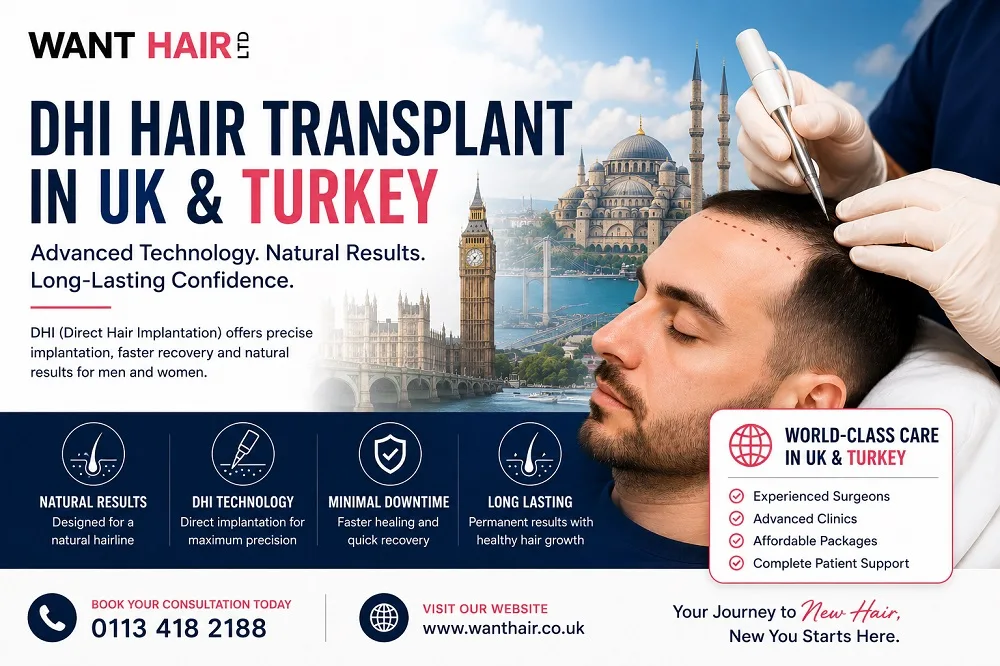
Different hair transplant techniques may be suitable for different patients. FUE and DHI are among the techniques commonly discussed during hair restoration consultations.
The choice should depend on factors such as hair loss pattern, donor availability, desired coverage, hair characteristics and the surgeon's assessment.
Patients should be cautious about choosing a technique simply because it is promoted as the newest or most advanced option. The quality of diagnosis, planning and surgical execution is often more important than the name of the technique.
When comparing the best hair transplant in Turkey options, patients should ask how the clinic decides which technique is appropriate for their individual case.
Graft Placement Should Follow Natural Hair Direction
Hair does not grow in random directions. It follows natural patterns that vary across different areas of the scalp.
The direction, angle and orientation of transplanted follicles should therefore be planned carefully. Incorrect placement can make transplanted hair look artificial, even when the grafts themselves are healthy.
The frontal hairline requires particular care because mistakes can be highly visible.
Individual hair characteristics can guide how grafts are placed to blend with existing hair. This is one reason why experienced surgical planning matters when considering hair restoration abroad.
Realistic Expectations Are Essential
Hair transplant surgery can improve the appearance of areas affected by hair loss, but expectations should remain realistic.
The outcome depends on several factors, including donor supply, hair characteristics, existing hair loss, healing, graft survival and future hair loss.
Patients should also understand that transplanted hair does not appear immediately. Growth takes time, and the final result develops gradually.
A responsible clinic should explain the expected timeline and discuss possible limitations before treatment.
What Should Patients Look for in a Turkish Clinic?
Choosing a clinic should involve more than searching online for the lowest price. Patients should examine the qualifications and experience of the medical team, the consultation process, surgical planning, aftercare and the clinic's approach to patient safety.
It is also useful to ask whether the surgeon personally evaluates the patient and how graft numbers are determined.
People considering hair transplant centres in Turkey should also ask about follow-up care after returning home. Good aftercare can be an important part of the overall treatment experience.
Want Hair Ltd: Supporting Patients in Their Hair Restoration Journey
Want Hair Ltd provides information and support for people exploring hair restoration options, including treatment in Turkey. The company focuses on helping patients understand their options and make informed decisions about their hair transplant journey.
For anyone researching the best hair transplant clinic in Turkey, comparing providers carefully is important. Patients should consider clinical standards, surgeon involvement, treatment planning and aftercare rather than relying on marketing claims alone.
A consultation can help identify which treatment approach may be suitable based on the patient's individual hair characteristics and goals.
Conclusion
Individual hair characteristics play a major role in hair transplant planning. Density, thickness, texture, colour, growth direction, donor supply and the pattern of hair loss can all influence the treatment strategy.
For patients considering hair transplant Turkey, the best approach is to focus on personalised planning rather than a standard package or fixed graft number. The best hair transplant surgery in Turkey should be based on a careful assessment of the individual patient and realistic expectations.
Whether comparing the best hair transplant in Turkey, researching a best hair transplant clinic in Turkey, or reviewing different hair transplant centres in Turkey, patients should take time to assess the medical team, treatment plan and aftercare.
With informed decision-making and appropriate professional guidance, hair restoration planning can be more precise, realistic and tailored to the individual.