
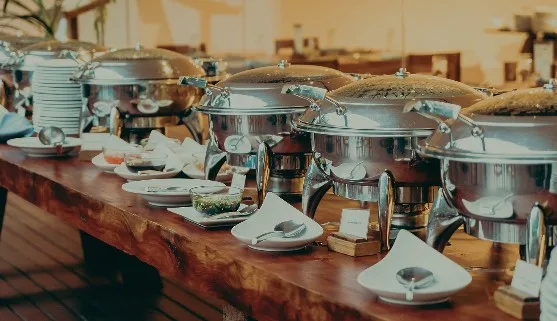
One of the key reasons customers return to the same restaurant is consistency. Diners expect their favorite dishes to taste just as good as they did during previous visits. When a restaurant consistently delivers the same quality, flavor, and presentation, it builds trust and customer loyalty. This is especially important in Indian cuisine, where complex spice blends and detailed cooking techniques play a major role in the dining experience. The reputation of the best Indian restaurant New Jersey diners recommend often depends on its ability to maintain the same exceptional flavor profile day after day, regardless of how busy the restaurant may be.
Standardized Recipes Create Reliable Results
A major factor behind flavor consistency is the use of standardized recipes. Professional kitchens carefully document ingredient quantities, preparation methods, and cooking procedures to ensure dishes are prepared the same way every time.
Standardized recipes reduce variation and help kitchen teams maintain accuracy. Whether a dish is prepared on a quiet weekday or during a busy weekend service, following established procedures helps preserve the intended flavor and quality. This consistency allows customers to enjoy familiar tastes whenever they visit.
High-Quality Ingredients Make a Difference
Even the best recipe cannot produce consistent results without reliable ingredients. Indian restaurants place significant emphasis on sourcing quality spices, vegetables, proteins, and other essential components.
Fresh ingredients help preserve flavor integrity and ensure dishes meet customer expectations. Many restaurants establish relationships with trusted suppliers to maintain a dependable inventory of products. By prioritizing ingredient quality, restaurants create a strong foundation for delivering consistent meals throughout the year.
Spice Blends Are Carefully Managed
Spices are central to Indian cuisine, and maintaining consistency often begins with spice preparation. Many restaurants create their own signature spice blends using carefully measured ingredients.
These blends help ensure that dishes maintain the same flavor profile regardless of who prepares them. Consistent spice preparation also allows restaurants to preserve the unique taste that customers associate with specific menu items. By controlling this critical element, restaurants can provide a dependable dining experience across multiple visits.
Preparation Processes Begin Early
Many Indian dishes require significant preparation before service begins. Sauces, curry bases, marinades, and specialty ingredients are often prepared hours in advance to allow flavors to develop properly.
Restaurants recognized among the best Indian restaurants NJ, such as Spice Rack, frequently invest substantial time in these preparation processes. Early preparation helps create consistency by ensuring that foundational ingredients reach the desired flavor, texture, and quality before orders are served. This attention to detail contributes significantly to the overall dining experience.
Staff Training Supports Quality Control
Consistency depends not only on recipes and ingredients but also on the people preparing the food. Restaurant teams receive training to ensure they understand cooking procedures, portion sizes, and presentation standards.
Well-trained staff members can accurately execute recipes while maintaining the restaurant's quality expectations. Ongoing training also helps ensure that new employees learn established methods and contribute to consistent food preparation. This investment in staff development plays an important role in long-term success.
Quality Checks Throughout Service
Successful restaurants continuously monitor food quality throughout the day. Kitchen supervisors and chefs often review dishes before they reach customers to verify appearance, portion size, and flavor.
These quality checks help identify potential issues before they affect the guest experience. Consistent monitoring allows restaurants to maintain high standards and quickly address any variations that may occur during service. This proactive approach helps protect the restaurant's reputation and customer satisfaction.
Balancing Tradition and Efficiency
Indian cuisine often relies on traditional cooking methods that have been refined over generations. While modern restaurant operations require efficiency, maintaining authentic preparation techniques remains important for preserving flavor consistency.
Many restaurants achieve this balance by combining traditional culinary knowledge with organized kitchen systems. This approach allows them to serve customers efficiently while maintaining the authenticity and quality that diners expect from Indian cuisine.
Experience Consistent Indian Flavors Every Time!
Flavor consistency is the result of careful planning, quality ingredients, standardized recipes, skilled staff, and ongoing quality control. These elements work together to ensure that customers receive the same enjoyable dining experience during every visit. From spice preparation and ingredient sourcing to staff training and kitchen oversight, successful restaurants invest considerable effort in maintaining high standards. Whether you are a longtime fan of Indian cuisine or exploring it for the first time, visiting the best Indian restaurant New Jersey diners trust offers an opportunity to experience the reliability, quality, and authentic flavors that keep guests returning again and again.