
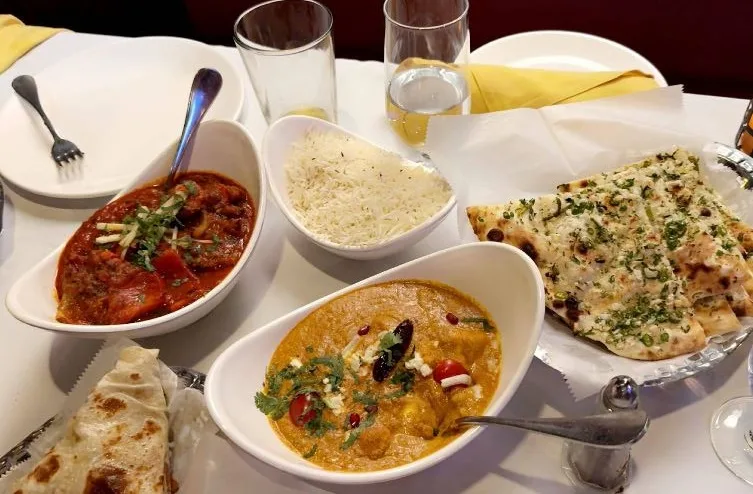
Indian cuisine carries centuries of culinary traditions, regional influences, family recipes, and cultural practices. Yet today’s diners often look for more than authentic flavors when choosing where to eat. They expect thoughtful presentation, comfortable settings, efficient service, and dining experiences that fit contemporary lifestyles. The best Indian restaurants NJ understand this changing landscape and find ways to preserve culinary heritage while responding to modern expectations. Their success comes from knowing which traditions should remain untouched and where thoughtful innovation can enhance the overall experience.
Preserving the Roots of Indian Cuisine
Authenticity begins with the food itself. Indian restaurants continue to rely on traditional cooking techniques, spice combinations, and recipes that reflect the diversity of the country. From slow-cooked gravies to freshly prepared breads and carefully balanced spice blends, these methods help preserve the character of Indian cuisine. At the same time, chefs may refine certain techniques to improve consistency or efficiency without changing the essential identity of a dish. This approach allows traditional recipes to remain relevant while meeting the expectations of diners who value quality and reliability.
Adapting Flavors Without Losing Authenticity
Modern diners have increasingly varied preferences. Some prefer bold and spicy flavors, while others may request milder preparations, vegetarian options, or dishes suited to specific dietary needs. Indian restaurants can accommodate these preferences without abandoning traditional culinary principles. Chefs may adjust spice levels, portion sizes, or ingredient combinations while maintaining the fundamental flavor profile of a dish. Such flexibility makes Indian cuisine accessible to a broader audience while ensuring that its distinctive culinary identity remains recognizable.
Creating a Contemporary Dining Atmosphere
The dining environment has become an important part of the restaurant experience. While traditional Indian décor can create warmth and cultural character, modern diners may also appreciate minimalist interiors, comfortable seating, thoughtful lighting, and well-designed layouts. Successful restaurants often combine these elements rather than choosing between tradition and modernity. Subtle cultural details, contemporary furniture, and carefully selected décor can create an atmosphere that feels connected to Indian heritage without appearing dated. This balance is especially important for diners seeking an elevated experience, whether they are enjoying a casual meal or celebrating a special occasion.
Rethinking Presentation and Service
Presentation is another area where Indian restaurants have embraced modern expectations. Traditional dishes can be served in visually appealing ways while retaining their familiar ingredients and preparation methods. Thoughtful plating can highlight textures, colors, and layers that might otherwise go unnoticed. Service has also evolved, with diners expecting knowledgeable staff, timely communication, convenient ordering options, and attentive hospitality. For many guests, discovering Spice Rack, the best restaurant Franklin Park, is not simply about finding flavorful food; it is also about enjoying an experience that feels organized, welcoming, and contemporary.
Offering Variety for Today's Diners
Modern Indian restaurants often recognize that their audiences can include longtime Indian food enthusiasts as well as first-time diners. A well-planned menu therefore provides enough variety to satisfy different tastes without becoming disconnected from traditional cuisine. Regional specialties, vegetarian selections, plant-based alternatives, lighter preparations, and familiar favorites can coexist on the same menu. This variety allows diners to explore Indian food at their own pace. It also gives restaurants an opportunity to introduce lesser-known regional traditions to customers who may be familiar with only a small portion of Indian cuisine.
Technology Meets Traditional Hospitality
Technology has changed how people discover, order, and experience food. Online menus, digital reservations, delivery services, contactless payments, and social media have become practical parts of modern restaurant operations. However, technology does not have to replace hospitality. Instead, it can support it by making the dining process smoother and more convenient. Restaurants that use digital tools effectively can spend more attention on the elements technology cannot replicate, including personal service, cultural storytelling, and genuine interaction between guests and staff.
Keeping Tradition Relevant for the Future
The relationship between tradition and innovation is not necessarily a conflict. In many cases, modernization gives traditional cuisine new opportunities to reach different generations and audiences. The best Indian restaurants NJ recognize that preserving heritage does not mean refusing to change. Instead, they carefully evaluate how presentation, service, technology, atmosphere, and menu choices can evolve while the culinary foundation remains authentic. This thoughtful approach helps Indian cuisine stay connected to its origins while fitting naturally into contemporary dining culture.
Experience the Best of Tradition and Modern Dining!
Indian restaurants continue to demonstrate that heritage and innovation can work together beautifully. By protecting authentic flavors while embracing modern service, presentation, ambiance, and convenience, they create experiences that appeal to today's diners without losing their cultural identity. Whether you are exploring regional Indian cuisine for the first time or looking for a familiar dining experience with a contemporary touch, seek out the best Indian restaurants NJ that respect tradition while welcoming the future. Discover a dining experience where authentic Indian heritage and modern expectations come together at the table.