
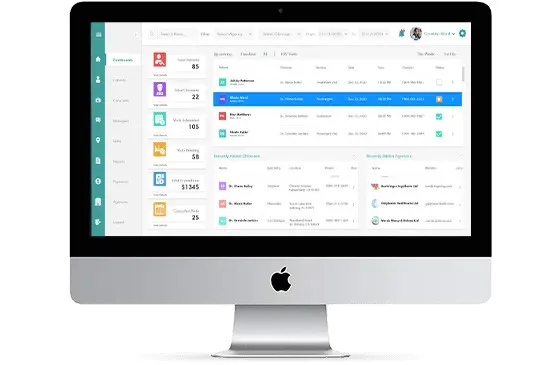
The healthcare industry continues to evolve as providers seek new ways to improve patient outcomes and operational performance. Hospitals must manage large volumes of patient data while coordinating activities across multiple departments. This growing demand for efficiency has increased the importance of modern hospital management systems and intelligent healthcare technology.
Today's hospitals require more than standalone software applications. They need integrated platforms capable of supporting clinical, financial, and administrative workflows simultaneously.
Why Hospital Information Systems Matter
A modern hospital information system serves as the foundation for digital healthcare operations.
These systems help healthcare providers manage:
- Electronic patient records
- Appointment scheduling
- Diagnostic reports
- Billing information
- Treatment histories
A connected hospital information management system ensures that information is available when and where it is needed, helping reduce delays and improve care coordination.
The Role of Hospital Management Services
Implementing new technology often requires expert support. Professional hospital management services help organizations successfully deploy and optimize digital healthcare solutions.
These services may include:
Workflow Analysis
Identifying opportunities for process improvement.
Staff Training
Ensuring successful adoption of new systems.
Data Migration
Transferring information from legacy platforms.
Ongoing Optimization
Helping organizations maximize technology investments.
Healthcare providers that receive proper implementation support often achieve better outcomes and faster returns on investment.
Modern Hospital Management Software
Advanced hospital management system software helps hospitals automate daily operations and improve communication across departments.
Additionally, mobile technology is playing a growing role in healthcare. A secure hospital management app allows healthcare professionals to access information remotely and respond more quickly to operational needs.
Similarly, a modern hospital management application supports better collaboration between clinical and administrative teams.
The Importance of Administrative Technology
Effective hospital leadership depends on accurate data and operational visibility. Modern hospital administration software provides healthcare managers with the tools needed to monitor performance, manage resources, and improve decision-making.
Comprehensive software for hospital management helps organizations streamline operations while maintaining a strong focus on patient care.
As patient expectations continue to evolve, healthcare organizations must adopt technologies that improve both clinical and administrative efficiency. Modern hospital management platforms provide real-time access to critical information, helping staff make informed decisions, reduce operational bottlenecks, and deliver a smoother patient experience across every stage of care.
Conclusion
Healthcare organizations are increasingly relying on digital technologies to improve efficiency and support better outcomes. By investing in integrated systems and modern operational tools, hospitals can strengthen communication, enhance productivity, and create a more connected healthcare experience for both patients and providers.