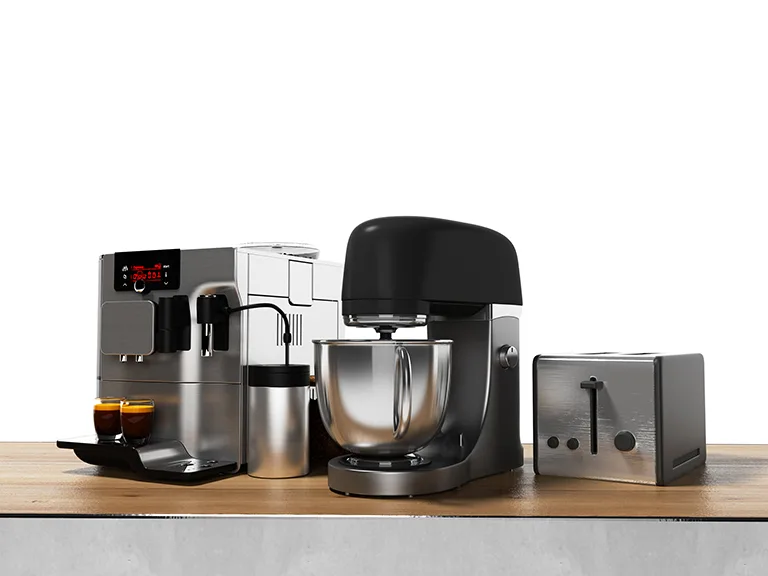
The global home appliance industry has shifted significantly toward customization and brand differentiation. Instead of relying solely on generic products, many businesses now build their own branded product lines through OEM (Original Equipment Manufacturer) and private label models. This approach allows companies to enter the market faster while maintaining control over branding and customer experience.
In this process, the role of a home appliances supplier becomes central, as they provide not only manufacturing capabilities but also design support, quality assurance, and scalable production solutions for brand owners.
Understanding OEM and Private Label in Home Appliances
OEM and private label models are widely used strategies in the appliance industry, but they serve slightly different purposes.
OEM production allows brands to customize product design, specifications, and functionality. The supplier manufactures the product based on the buyer’s technical requirements.
Private label production, on the other hand, involves selecting existing product designs and branding them under a company’s own label. This method is faster and more cost-efficient.
Both models rely heavily on supplier expertise to ensure product quality and market readiness.
Product Development and Customization Support
One of the most important ways suppliers support OEM and private label brands is through product development assistance. Many manufacturers have in-house engineering and design teams that help turn ideas into manufacturable products.
Support typically includes:
- Concept development and technical feasibility analysis
- Structural and functional design optimization
- Prototype creation and testing
- Material selection and cost optimization
This collaboration allows brands to develop unique products without needing their own manufacturing infrastructure.
Manufacturing Flexibility and Scalability
A strong supplier provides flexible production capabilities that allow brands to scale quickly based on market demand. This is especially important for growing businesses that experience fluctuating order volumes.
Manufacturing flexibility includes:
- Adjustable production lines for different product models
- Ability to handle small trial orders and large-scale production
- Quick adaptation to design changes or upgrades
- Efficient scheduling for seasonal demand spikes
This scalability ensures that brands can expand without facing supply chain limitations.
Quality Control for Branded Products
Maintaining consistent quality is critical for OEM and private label success. Suppliers implement strict quality control systems to ensure that every product reflects the brand’s standards.
Typical quality assurance processes include:
- Raw material inspection before production
- In-process monitoring during assembly
- Final product testing for performance and safety
- Packaging and labeling verification
Reliable quality control helps brands build trust and reduce product returns in competitive markets.
Branding and Packaging Solutions
Private label and OEM suppliers also support brand identity development through packaging and visual customization. This is essential for creating a strong presence in retail and e-commerce channels.
Common branding services include:
- Logo printing on products and packaging
- Custom box design and labeling
- Instruction manual localization
- Product color and finish customization
These elements help differentiate products in crowded marketplaces and strengthen brand recognition.
Supply Chain and Logistics Support
Beyond manufacturing, suppliers also play an important role in logistics and supply chain management. Efficient delivery systems ensure that products reach global markets on time and in good condition.
Key support areas include:
- Export documentation and compliance handling
- International shipping coordination
- Warehouse and inventory management support
- Packaging optimization for safe transport
Strong logistics capabilities reduce delays and improve overall operational efficiency for brand owners.
Compliance with International Standards
OEM and private label products must meet strict regulatory requirements depending on the target market. Suppliers help ensure compliance with global safety and quality standards.
Common certifications and requirements include:
- CE marking for European markets
- RoHS environmental compliance
- ISO quality management systems
- Electrical safety testing standards
Compliance ensures smooth market entry and reduces legal or regulatory risks for brands.
Cost Efficiency and Competitive Advantage
Working with experienced suppliers allows brands to reduce production costs while maintaining quality. This is especially important for businesses entering competitive retail markets.
Cost advantages often include:
- Economies of scale in production
- Reduced research and development costs
- Lower tooling and setup expenses for OEM production
- Flexible pricing for bulk orders
These savings help brands remain competitive while investing in marketing and expansion.
Long-Term Collaboration and Product Innovation
Successful OEM and private label partnerships are built on long-term collaboration rather than one-time transactions. Suppliers often work closely with brands to improve and upgrade products over time.
This includes:
- Product line expansions based on market trends
- Performance improvements based on customer feedback
- Introduction of new technologies and features
- Continuous design refinement for better user experience
Long-term cooperation leads to stronger product portfolios and sustained business growth.
Conclusion
OEM and private label strategies have become essential for brands looking to succeed in the modern home appliance market. Suppliers play a critical role not only in manufacturing but also in product development, branding, logistics, and compliance.
By working with a reliable home appliances supplier, businesses can build strong brand identities, scale efficiently, and compete effectively in global markets. In today’s fast-moving industry, supplier partnerships are a key driver of innovation and long-term success.