In industrial workplaces, safety depends not only on procedures but also on how clearly those procedures are communicated. Lockout Tagout systems are designed to protect workers from hazardous energy during maintenance and servicing activities. While lockout devices physically isolate energy sources, lockout tags play a critical role in communication.
In Poland’s manufacturing-driven economy, where machinery, electrical systems, and pressurized processes are widely used, high-visibility lockout tags have become essential tools for improving both safety and compliance.
The Importance of LOTO in Polish Industrial Workplaces:
Poland is home to a wide range of industries, including automotive manufacturing, heavy engineering, food processing, chemical production, and energy generation. These environments rely on complex equipment that can pose serious risks if energized unexpectedly during maintenance. Lockout Tagout procedures help prevent accidents by ensuring machines remain safely isolated while work is performed.
However, even a well-designed LOTO procedure can fail if workers do not clearly understand that equipment is locked out. This is where lockout tags - “especially high-visibility” ones become vital. They transform safety instructions into clear, visible warnings that are instantly recognizable on the shop floor.
What are High-Visibility Lockout Tags?
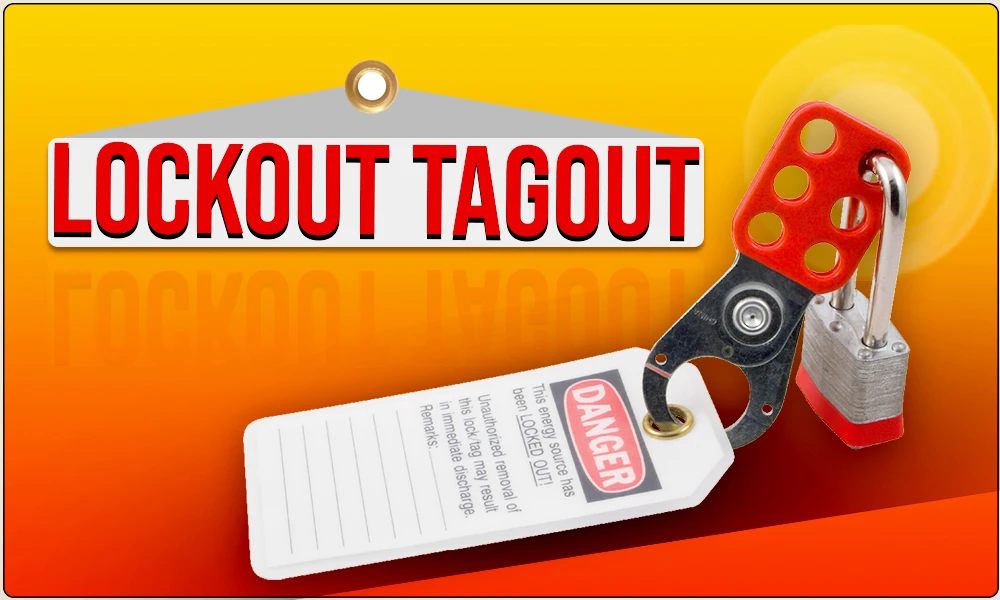
Lockout tags are warning labels attached to energy-isolating devices after lockout has been applied. Their purpose is to inform workers that equipment must not be operated and that maintenance is in progress. High-visibility lockout tags are specifically designed to stand out in busy, industrial environments.
These tags typically use bright colors, strong contrast, bold text, and durable materials to remain readable even in low light, dusty conditions, or high-noise areas. Unlike basic tags, high-visibility versions are harder to overlook, making them far more effective in real-world conditions.
Why Clear Visual Communication is Critical?
Industrial workplaces often involve multiple teams, contractors, and shift changes. Without clear visual communication, the risk of misunderstanding increases significantly. High-visibility lockout tags provide immediate answers to critical questions:
- Is this equipment safe to operate?
- Who applied the lockout?
- Why is the machine isolated?
- When can it be returned to service?
By delivering this information at a glance, lockout tags reduce reliance on verbal communication, which can fail due to language barriers, noise, or time pressure - common challenges in Polish industrial facilities.
Risks of Low-Visibility or Improper Tagging:
When lockout tags are poorly designed, faded, or difficult to read, they can easily be ignored. This creates dangerous situations, especially during urgent tasks or shift handovers. Low-visibility tags may blend into the background, leading workers to assume equipment is available for use.
Such failures can result in accidental startups, equipment damage, serious injuries, or fatalities. In contrast, high-visibility lockout tags act as unmistakable warning signals, reinforcing safe behavior and preventing assumptions that can lead to accidents.
How High-Visibility Lockout Tags Improve Safety?
High-visibility lockout tags strengthen LOTO systems in several important ways:
- Instant Recognition: Bright, contrasting colors draw attention immediately to locked-out equipment.
- Clear Accountability: Tags identify the authorized worker responsible for the lockout.
- Error Reduction: Visual clarity minimizes the risk of misinterpretation during busy operations.
- Shift Change Safety: Incoming teams can instantly understand equipment status without confusion.
These benefits are particularly valuable in Polish facilities that operate continuously or involve multi-shift maintenance schedules.
Supporting Compliance and Safety Audits:
Workplace safety in Poland is closely linked to European standards and structured safety management systems. While lockout tags alone do not provide physical isolation, they support compliance by documenting and communicating safety controls effectively.
Lockout tags make inspections and audits easier by clearly demonstrating that energy control procedures are in place and being followed. Auditors and safety managers can quickly verify that equipment is properly identified, authorized, and controlled, reducing the likelihood of non-compliance findings.
Common Applications Across Polish Industries:
High-visibility lockout tags are widely used across various sectors in Poland:
- Manufacturing: Clearly marking locked machines during repairs and tool changes.
- Energy and Utilities: Identifying isolated electrical panels and substations.
- Chemical and Pharmaceutical: Warning against valve operation during cleaning or process shutdowns.
- Food and Beverage: Supporting hygiene and safety during frequent maintenance activities.
In each case, visibility and clarity directly contribute to safer outcomes.
Best Practices for Using Lockout Tags:
To maximize their effectiveness, organizations should follow best practices such as:
- Standardizing tag colors, formats, and wording across facilities
- Including essential information like name, date, department, and reason for lockout
- Using durable materials resistant to moisture, chemicals, and tearing
- Training workers to respect tags as critical safety warnings, not optional labels
Consistent application ensures that lockout tags become a trusted and respected part of daily operations.
Building a Strong Safety Culture Through Visual Controls:
lockout tags do more than communicate instructions - they reinforce a culture of safety. When workers consistently see clear warnings and identification at isolation points, safety becomes embedded in routine behavior rather than treated as an afterthought.
In Polish workplaces striving for higher safety performance, these visual controls help bridge the gap between written procedures and real-world practice.
Conclusion:
High-visibility lockout tags play a crucial role in improving LOTO safety and compliance in Poland. By delivering clear, unmistakable warnings at the point of isolation, they reduce human error, strengthen accountability, and support safer maintenance practices.
In complex industrial environments, where clarity can mean the difference between safety and disaster, these simple yet powerful tools help ensure that Lockout Tagout procedures work exactly as intended.