Maintaining hygiene and preventing infection are fundamental responsibilities in every healthcare setting. Whether in hospitals, clinics, or home care environments, strict sanitation protocols are followed to protect both patients and medical staff. Even minor lapses in cleanliness can lead to serious complications, especially for individuals with weakened immune systems. Among the many tools used to support infection control, alcohol prep pads remain a simple yet highly effective solution for ensuring safe and hygienic procedures.
Importance of Proper Sanitization in Healthcare
Healthcare environments are particularly vulnerable to the spread of bacteria, viruses, and other harmful microorganisms. Every interaction, from routine checkups to complex procedures, carries some level of risk if proper hygiene practices are not followed. This is why sanitization is considered a non-negotiable part of patient care.
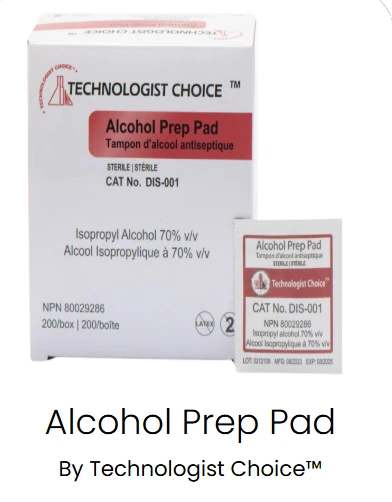
Medical professionals are trained to adhere to strict hygiene protocols, including frequent hand washing, use of personal protective equipment, and proper disinfection of surfaces and instruments. Using Alcohol prep Pads as part of these protocols provides an additional layer of protection by helping eliminate microbes from the skin before procedures are performed. This small step plays a significant role in reducing the chances of infection and cross-contamination.
Common Medical Uses in Daily Practice
In day-to-day healthcare operations, alcohol-based pads are widely used because of their convenience and effectiveness. They come pre-saturated with the right amount of disinfectant, making them easy to use without additional preparation.
Healthcare professionals rely on them for a variety of tasks, such as:
- Preparing the skin before injections or vaccinations
- Cleaning areas prior to drawing blood
- Disinfecting IV insertion points
- Sanitizing minor cuts, scrapes, or abrasions
- Wiping down small medical tools or device surfaces
These applications are essential in maintaining a sterile environment and ensuring that procedures are carried out safely. The portability and single-use nature of these pads also make them ideal for both clinical and mobile healthcare settings.
Best Practices for Safe and Effective Use
While these pads are simple to use, proper technique is critical to ensure maximum effectiveness. Healthcare professionals follow established guidelines to make sure each application provides optimal protection.
Some of the most important best practices include:
- Always washing or sanitizing hands before and after each use
- Using a new pad for every patient or procedure to avoid cross-contamination
- Cleaning the area with gentle, circular motions moving outward
- Allowing the disinfected area to air dry completely before proceeding
- Avoiding touching the cleaned area after it has been disinfected
Following these steps ensures that the disinfectant has enough time to act effectively against harmful microorganisms. Proper use of Alcohol Prep Pads not only enhances patient safety but also supports compliance with healthcare regulations and standards.
Safety Considerations and Precautions
Although alcohol-based disinfectants are widely trusted, they must be used carefully to avoid unintended side effects. Healthcare providers are trained to assess each situation and determine whether these products are appropriate.
Important safety considerations include:
- Avoiding use on deep wounds or severe burns
- Being cautious when applying on sensitive or damaged skin
- Monitoring patients for allergic reactions or irritation
- Keeping the pads away from heat or open flames due to flammability
- Disposing of used pads immediately in proper medical waste containers
In some cases, alternative cleaning methods may be required, especially for patients with specific skin conditions. By understanding these precautions, healthcare professionals can ensure safe usage while minimizing risks.
Role in Infection Prevention and Patient Trust
Infection prevention is at the core of quality healthcare delivery. Patients place a high level of trust in medical professionals, expecting a clean and safe environment during every visit. Visible hygiene practices not only reduce risks but also help build confidence.
Consistent sanitization routines demonstrate professionalism and attention to detail. When patients see that proper measures are being taken before procedures, they are more likely to feel comfortable and reassured. The regular use of Alcohol Prep Pads in clinical workflows highlights a commitment to safety, which strengthens patient trust and satisfaction.
Conclusion
Safe healthcare practices rely heavily on effective infection control measures. From routine procedures to emergency care, maintaining a clean environment is essential to achieving positive outcomes. Simple tools, when used correctly, can have a significant impact on overall safety.
By following proper techniques, adhering to best practices, and understanding necessary precautions, healthcare professionals can ensure that every interaction is conducted in a hygienic manner. These efforts not only protect patients and staff but also uphold the standards of modern healthcare, where safety and quality care go hand in hand.