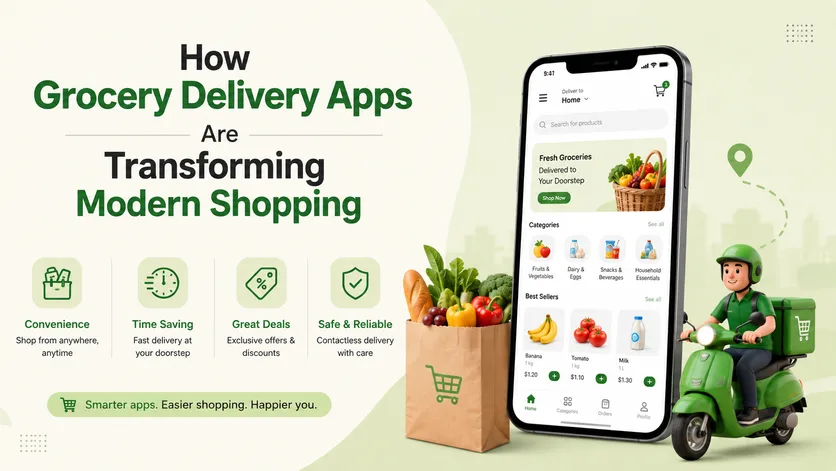
In recent years, grocery delivery apps have revolutionized the way consumers approach shopping, fundamentally altering the landscape of retail. With the click of a button, shoppers can have fresh produce and household essentials delivered right to their doorstep, all while enjoying the convenience of browsing from their smartphones or computers. As these platforms gain popularity, they not only cater to the demands of busy lifestyles but also influence traditional grocery stores to adapt their business models. This article explores the various ways grocery delivery apps are transforming modern shopping, including their impact on consumer behavior, technological advancements, and the challenges they present to both retailers and the environment.
The Rise of Grocery Delivery Apps
History and Evolution of Grocery Delivery
Grocery delivery isn’t exactly a new concept—remember when your local store would send over a delivery man on a bike? Fast forward to today, and the evolution has been nothing short of revolutionary. In the late 90s and early 2000s, grocery delivery began to gain traction with websites allowing consumers to order online, but it wasn’t until the smartphone explosion that these services really took off. Suddenly, people had groceries at their fingertips, quite literally. Apps sprang up, making it easier than ever to order everything from avocados to toilet paper, all while in your pajamas.
Key Players in the Market
When it comes to grocery delivery, a few heavyweights are dominating the ring. Instacart, Amazon Fresh, and Walmart Grocery Delivery are contenders that deliver your grocery dreams right to your doorstep, often faster than you can say “what’s for dinner?” Each has its unique spin—whether it’s Amazon’s sheer convenience or Instacart’s local store partnerships. These players are not just competing for your grocery dollar; they’re also battling for your loyalty, constantly innovating to make your shopping experience as enjoyable as devouring a freshly baked cookie.
Convenience and Time Savings for Consumers
24/7 Access to Groceries
Gone are the days of rushing to the store before it closes, nervously calculating whether you’ll make it in time for those last-minute snacks. With grocery delivery apps, you can browse and order at 3 AM in your sweats (no judgment here!). You can even schedule deliveries at your convenience, allowing for the ultimate “let’s have snacks delivered while I binge-watch my favorite show” experience. Who knew three in the morning could be so productive?
Streamlined Shopping Experience
Shopping for groceries has transformed into a streamlined affair. Most apps allow you to create shopping lists, reorder items with a single tap, and even suggest recipes based on what you already have at home. Say goodbye to wandering the aisles, squinting at tiny labels. Now it’s as simple as adding items to your cart like you’re assembling a digital buffet. Shopping for groceries? Piece of cake (or pie, if that’s more your style).
Reduction of Impulse Purchases
We all know the struggle of walking into a store for milk and coming out with two bags of chips, a blender, and a questionable plant. Grocery delivery apps reduce those pesky impulse buys by allowing for a focused shopping experience. You can stick to your grocery list without getting sidetracked by that flashy end-cap display of sugary cereal. Your wallet (and your waistline) will thank you for it.
Impact on Traditional Grocery Stores
Shifts in Consumer Foot Traffic
As grocery delivery apps gain popularity, traditional grocery stores are noticing a decline in foot traffic—like a party that suddenly turned into a Zoom call. Shoppers are opting for the convenience of home delivery instead of navigating crowded aisles and checkout lines. This shift has grocery stores scrambling to figure out how to lure customers back. Will it involve free samples? A magician? Only time will tell.
Adapting Business Models
In response to the rise of delivery apps, many traditional grocery stores are redefining their business strategies. Some are investing in their own delivery services, while others are integrating technology into their stores to enhance the customer experience. Imagine grocery shopping with augmented reality glasses—picking out the salad ingredients while a holographic chef whispers sweet recipes into your ear. Okay, we might be getting ahead of ourselves, but adaptation is key!
Collaborations and Partnerships with Delivery Services
Instead of viewing grocery delivery apps as competition, many traditional stores are teaming up with them. Partnerships with services like Instacart allow grocery stores to reach a broader audience while providing delivery options. It’s a win-win situation; the grocery store expands its reach, and consumers enjoy the convenience of having their groceries delivered without sacrificing local shopping.
Technological Innovations Driving Change
Mobile App Features Enhancing User Experience
Modern grocery delivery apps are like Swiss Army knives for food shopping. With features like voice search, barcode scanning, and even virtual carts, the user experience is incredibly intuitive. Want to find gluten-free products without the hassle of reading every label? There’s an app for that! These nifty features are designed to save you time and make shopping feel less like a chore and more like a delightful treasure hunt.
Data Analytics for Personalized Shopping
The magic behind your favorite grocery delivery apps often lies in data analytics. These programs analyze your shopping habits and preferences to suggest items you may have forgotten or even anticipate your craving for ice cream and cookies at midnight. It’s like your app knows you better than you know yourself. Creepy? Maybe a little. Helpful? Absolutely!
Integration of AI and Machine Learning
Artificial Intelligence and machine learning are reshaping the grocery shopping landscape, allowing apps to refine recommendations and optimize delivery routes. Imagine a scenario where your app knows precisely how long it takes you to binge-watch a season of your favorite show and times your grocery delivery accordingly. Now that’s some futuristic thinking! With AI on our side, grocery shopping becomes not just smart, but downright genius.
Challenges Faced by Grocery Delivery Services
Logistical Hurdles
When it comes to grocery delivery, logistics is the name of the game—or, more accurately, the obstacle course. Coordinating drivers, maintaining timely deliveries, and managing inventory across multiple stores can feel like herding cats. Add in unpredictable traffic and the whims of weather, and you've got a recipe for delivery chaos that even the most seasoned planner would balk at.
Quality Control and Freshness Issues
In the grocery world, freshness is king. But how can you assure that the avocado you ordered is not a prickly ball of disappointment? Ensuring quality control during the delivery process is a challenge, especially when perishable items are in play. Missing the mark on freshness can lead to customer dissatisfaction, and nobody wants a soggy lettuce deliverer on their hands.
Competition and Market Saturation
It’s a grocery jungle out there! With countless delivery apps popping up like mushrooms after a rainstorm, standing out is harder than finding the last can of pumpkin puree during the holiday rush. With so many choices available, consumers can be fickle, making it imperative for companies to innovate or risk being another forgotten app on the smartphone's home screen.
Consumer Behavior Shifts in Grocery Shopping
Changing Preferences and Priorities
Today’s consumers are no longer just looking for the lowest prices; they want convenience, speed, and that sprinkle of experience too. Whether it’s choosing organic quinoa over regular rice or opting for a local producer instead of a global brand, shoppers are more mindful than ever about what goes in their carts. It's not just grocery shopping—it's a lifestyle statement!
The Role of Reviews and Ratings
In the age of social media, one bad review can go viral faster than a cat video. Consumers are leaning into user-generated content, with reviews and ratings playing a crucial role in shaping their shopping decisions. A mere “meh” comment on your beloved grocery app can send potential customers running for the hills faster than you can say "organic kale."
Impact of Promotions and Discounts
Ah, the sweet siren call of discounts! Promotions can be the golden ticket that lures consumers into using grocery delivery services. From “buy one, get one free” to tantalizing cash-back offers, savvy shoppers know that they can maximize their grocery haul while pampering their wallets. It’s not just shopping; it’s a strategic mission of savings!
Future Trends in Grocery Delivery
Expansion of Delivery Areas
Gone are the days when grocery delivery was confined to urban areas. With many delivery services eyeing the suburbs and beyond, we’re on the cusp of a grocery renaissance. Soon, even the most remote corners will be graced with the presence of a delivery driver, much to the delight of those who live miles away from a grocery store.
Innovations in Delivery Methods
Who needs traditional delivery vehicles when you can have drones zooming in with your groceries? The future is ripe with innovative delivery methods, from autonomous vehicles to robot couriers. Get ready to be greeted by your snack-fetching bot making a beeline to your door while you sit back and enjoy a binge-worthy show (or two).
Integration of Sustainability Practices
As consumers become more eco-conscious, grocery delivery services are stepping up to the plate (preferably one that’s compostable). From using electric vehicles to biodegradable packaging, companies are looking to balance convenience with sustainability. The mantra here? Let’s make shopping easier without leaving a carbon footprint the size of a T-Rex.
The Environmental Impact of Grocery Delivery Services
Carbon Footprint Considerations
While grocery delivery brings convenience to our lives, it also raises eyebrows about its environmental impact. From the carbon emissions of delivery vehicles to the energy used in warehouses, the carbon footprint can be substantial. It’s a juggling act between enjoying our at-home delivery and keeping our planet happy, and it’s a challenge that can’t be ignored!
Packaging Waste Issues
Let’s talk about the mountain of packaging that often comes with our grocery deliveries. From plastic containers to bubble wrap, the waste generated can be staggering. While it keeps our groceries intact during transport, it also raises the question: how can we reduce packaging waste without sacrificing protection and convenience? Spoiler alert: it’s a work in progress.
Efforts Towards Sustainable Solutions
Luckily, there are initiatives sprouting up like wildflowers to tackle these issues head-on. Grocery delivery services are exploring sustainable packaging options, implementing recycling programs, and even offering incentives for customers who return packaging. It’s all about looking forward and making greener choices that can help us shop with a little more love for Mother Earth.As grocery delivery apps continue to evolve, their influence on shopping habits and the retail landscape will only grow stronger. While they offer unparalleled convenience and accessibility for consumers, traditional grocery stores must navigate the challenges posed by this new paradigm. By embracing technology and adapting to changing consumer preferences, retailers can find a way to thrive alongside these innovative services. Ultimately, the transformation of modern shopping is a testament to the power of technology in shaping our daily lives, making it an exciting time for both consumers and businesses alike.
Frequently Asked Questions (FAQs)
What are the benefits of using grocery delivery apps?
Consumers enjoy benefits such as convenience, time savings, and the ability to easily compare prices and products from the comfort of their homes.
How do grocery delivery apps ensure the quality of fresh produce?
Many grocery delivery services partner with trusted suppliers and implement strict quality control measures to ensure that the produce delivered meets customer expectations for freshness and quality.
Are grocery delivery services environmentally friendly?
While grocery delivery services can reduce individual trips to the store, they also raise concerns about packaging waste and carbon emissions. Many companies are working on sustainable practices to mitigate these impacts.
What challenges do grocery delivery apps face in the market?
Challenges include logistical issues, maintaining product quality during delivery, competition from other apps and traditional stores, and customer retention in a saturated market.