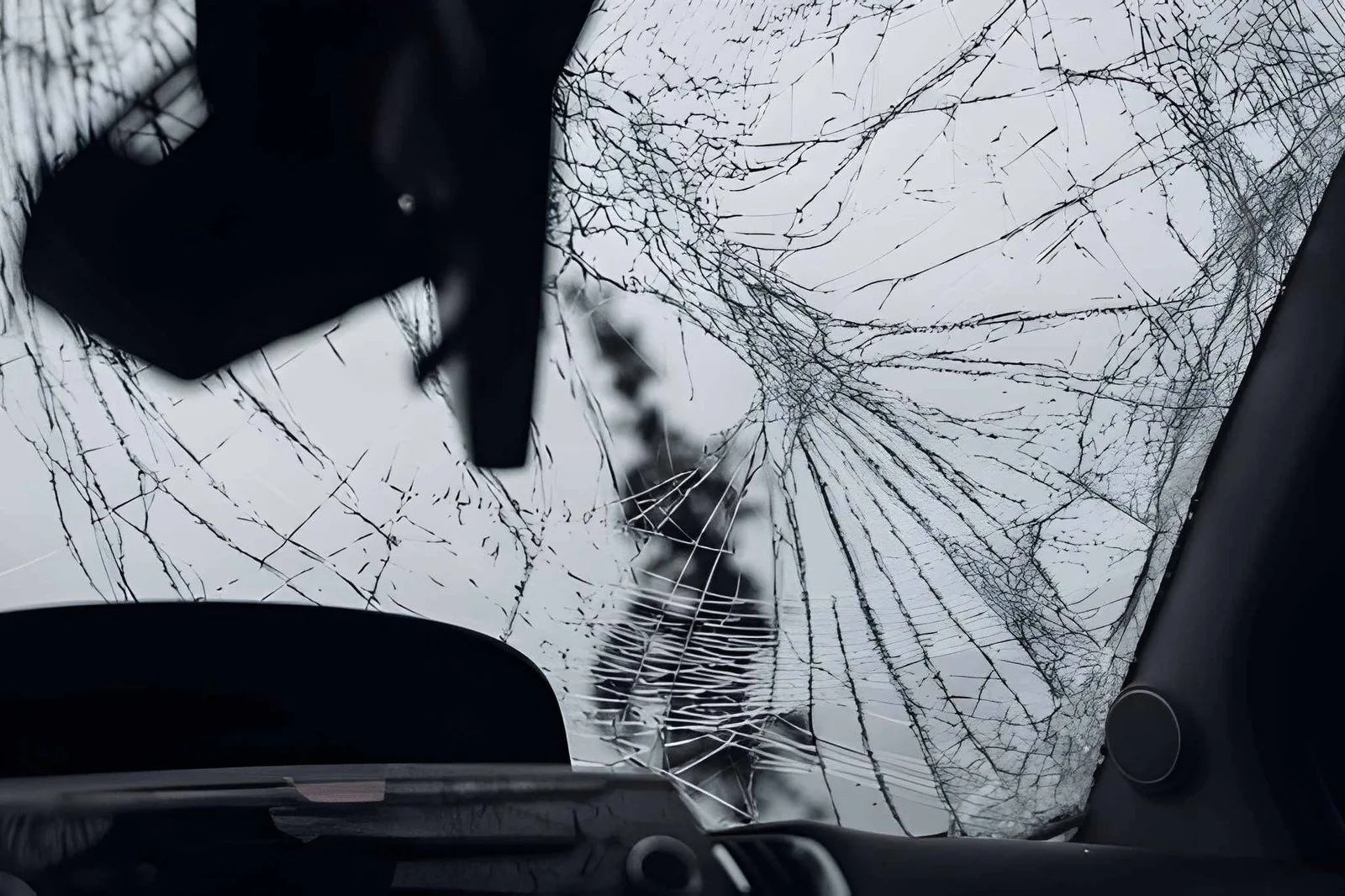
Most people link windshield damage to snow, ice, and freezing weather, but Florida's climate can be just as tough on auto glass. For drivers needing auto glass repair in Winter Haven, FL, intense heat, UV exposure, heavy rain, and sudden temperature changes can weaken windshield strength year-round.
How Florida Heat Creates Invisible Windshield Stress
Thermal Expansion in an Intense Sun State
Florida's average summer temperatures regularly push into the high 90s, and interior vehicle temperatures can climb well above 150°F when parked in direct sunlight. Glass responds to heat by expanding, and when it cools again in the evening or when air conditioning is suddenly blasted on a hot windshield, it contracts rapidly.
This repeated cycle of expansion and contraction creates thermal stress throughout the glass. Over time, that stress accumulates at the microscopic level, weakening the structural integrity of the windshield even when no visible damage is present.
A small existing chip is especially vulnerable. The heat causes the edges of the chip to expand at a slightly different rate than the surrounding glass, and a crack can form or extend seemingly out of nowhere on a hot afternoon.
UV Radiation and Laminate Deterioration
Florida receives more annual sunshine than almost any other state. Prolonged UV exposure does not just fade dashboards and upholstery; it also gradually degrades the polyvinyl butyral (PVB) interlayer that bonds the two panes of a laminated windshield together.
According to the National Highway Traffic Safety Administration (NHTSA), the windshield contributes significantly to a vehicle's structural strength and supports airbag deployment. A windshield with a deteriorating interlayer may not perform as designed in a collision, even if the outer glass surface appears intact.
How Sudden Rainstorms Make Existing Damage Worse
Florida's Storm Patterns Are Uniquely Aggressive
Central Florida, including the Winter Haven area, is one of the most storm-active regions in the country. Afternoon thunderstorms can arrive within minutes, dropping heavy rain and occasionally hail onto vehicles that were baking in direct sun just moments before.
The sudden temperature drop when cold rain hits a sun-heated windshield is one of the most common triggers for crack propagation. A chip that has been stable for weeks can split into a full crack the moment a summer storm rolls through.
Water Infiltration Through Existing Damage
Once a crack develops, rainwater can work its way into the glass layers. Moisture trapped inside a crack weakens the bond between the glass and its interlayer, accelerates deterioration, and makes professional repair increasingly difficult. If water reaches the inner seal around the windshield's edge, it can also compromise the adhesive that holds the glass to the vehicle frame.
What Auto Glass Repair in Winter Haven, FL Drivers Should Watch For
Florida's weather conditions mean that windshield damage tends to progress faster than in many other regions. Drivers should treat even minor chips as time-sensitive, particularly during the summer months when daily heat cycles and afternoon storms create the ideal conditions for rapid crack spread.
Warning signs that demand prompt attention include:
Cracks radiating from a chip, even short cracks extending from a central point, indicate the damage has already begun to spread, and repair may still be possible if addressed quickly.
Cloudiness or hazing near the edges often signals moisture infiltration or interlayer deterioration, both of which are accelerated by Florida's humid environment.
Visible distortion in the driver's sightline, any optical distortion, however subtle, is a safety concern and should be assessed professionally without delay.
Understanding the full range of cracked windshield safety risks goes well beyond visibility alone; structural integrity and crash protection are equally at stake when glass damage is left unaddressed.
Does Florida Law Address Windshield Damage?
Florida statute does address windshield condition as part of vehicle safety. The Florida Department of Highway Safety and Motor Vehicles (FLHSMV) notes that a windshield must be free of defects that impair the driver's vision. Cracks in the driver's line of sight can result in a citation during a traffic stop, giving drivers both a safety and a legal reason to address damage promptly.
Additionally, Florida is one of a handful of states that requires insurance companies to waive the deductible for windshield repair or replacement under comprehensive coverage, meaning many Winter Haven drivers can have damage addressed at no out-of-pocket cost.
Conclusion
Florida's combination of extreme heat, intense UV exposure, and sudden heavy rainstorms makes it one of the most demanding environments for auto glass in the country. For drivers seeking auto glass repair in Winter Haven, FL, the takeaway is straightforward: damage that might stay stable in a milder climate can deteriorate quickly here. Catching it early before heat cycles and storms have a chance to make it worse, is always the most practical and cost-effective approach.