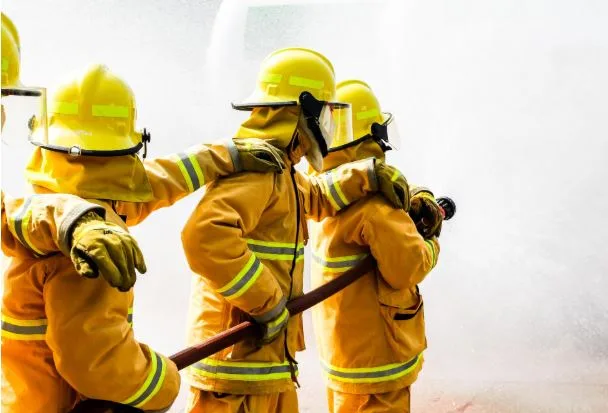
Facilities can face elevated fire risk during both routine operations and unexpected disruptions. Welding, cutting, maintenance activity, equipment repairs, and temporary construction create conditions that require continuous monitoring, especially when a fire alarm is offline or a sprinkler system is impaired. In these situations, consistent protection is essential. Businesses need trained personnel who can monitor exposed areas, identify changing hazards, document patrols, and help maintain compliance while normal fire protection is limited or high-risk work continues.
Many property managers, contractors, and facility operators search for Fire Watch Guards Near Me when dependable coverage is needed without delay. The priority is finding qualified support that can provide steady on-site monitoring, reinforce hot work safety, and help protect people, property, and operations during outages or other elevated-risk conditions. This article explains how fire watch personnel deliver continuous protection in active facilities and why that role remains an essential part of practical fire safety planning.

What Are Fire Watch Guards and Why Are They Needed?
In environments where fire hazards are heightened—such as during welding, hot work, or when fire suppression systems are temporarily disabled—fire watch guards are your first line of defense. These trained professionals actively monitor high-risk areas for any signs of fire, sparks, or potential hazards. Their role is not just about compliance with fire safety regulations but also ensuring that small risks don't escalate into large disasters.
Real-World Example: A Construction SiteConsider a construction site where welding is taking place near piles of combustible materials. Without a vigilant fire watch, a small spark from the welding tool can quickly ignite the surrounding debris, resulting in a fire that could not only delay the project but potentially destroy significant assets. In such scenarios, fire watch guards are essential. Their presence ensures that any fire hazard is detected and handled immediately, preventing a disaster before it even begins.
Key Responsibilities of Fire Watch Guards
The role of a fire watch guard goes beyond just standing watch. Their responsibilities include:
- Monitoring Hazardous Areas: Guards keep a watchful eye on areas where there is an increased risk of fire, such as near hot work or where flammable materials are stored.
- Immediate Action: If they detect a potential fire hazard, they are trained to take immediate action, either extinguishing the fire if small or alerting the fire department for larger fires.
- Evacuation Assistance: In the event of a fire, fire watch guards assist in ensuring that workers evacuate safely and that fire safety protocols are followed.
- Documentation: Fire watch guards maintain detailed logs of their observations, which can be critical in fire safety audits and compliance checks.
The Crucial Role of Fire Watch Guards in High-Risk Environments
Different environments require different fire safety measures, and fire watch guards are deployed in industries where standard fire suppression systems may not be enough. Let's explore some high-risk environments where fire watch guards are indispensable.
Construction Sites and Hot Work OperationsConstruction sites often require hot work like welding, grinding, or cutting—each of which generates sparks that could easily ignite surrounding materials. Fire watch guards are necessary in these settings to ensure that workers are not exposed to fire hazards. Their job is to monitor the area and ensure that there is no unattended ignition risk.
Manufacturing and Industrial PlantsIn industrial plants, heavy machinery, chemicals, and flammable substances are commonly present. Fire watch guards ensure that malfunctioning equipment, overheated machinery, or any operational errors don’t lead to devastating fires. Given that these facilities can be complex, fire watch guards act as the eyes and ears for potential fire risks.
Healthcare FacilitiesHospitals and healthcare settings, with their combination of electrical systems, medical equipment, and flammable materials, present unique fire risks. Fire watch guards ensure that these facilities stay compliant with fire safety standards, particularly in areas where fire suppression systems may need maintenance or when conducting activities like sterilization that involve heat.
Compliance with OSHA and NFPA Regulations
One of the main reasons for implementing fire watch services is to remain compliant with industry regulations. Failing to adhere to these standards can result in hefty fines, legal consequences, and most importantly, safety breaches that can result in loss of life and property damage.
- OSHA Regulations: The Occupational Safety and Health Administration (OSHA) mandates that fire watch guards be deployed during certain high-risk activities. For example, welding and cutting operations require constant fire watch because of the risk of sparks and heat ignition.
- NFPA Standards: The National Fire Protection Association (NFPA) also has guidelines regarding fire watch during hot work. According to NFPA 51B, a fire watch must remain on-site for at least 30 minutes after the completion of work to ensure that no smoldering materials ignite.
By adhering to these safety guidelines, facilities can ensure that they are not only compliant but also protecting their workers and assets effectively.
What Could Happen If You Skip Fire Watch Guards?
The absence of fire watch guards can have catastrophic consequences. In industries with heightened fire risks, skipping this step is akin to leaving the door open to disaster. Here’s what can happen when fire watch guards are not present:
- Undetected Fire Risks: Small sparks or heat sources that could escalate into fires may go unnoticed without a dedicated guard on watch.
- Non-Compliance: Skipping fire watch may violate local regulations, resulting in fines, penalties, or even a shutdown of operations.
- Increased Risk of Injuries or Deaths: The risk of injury or death increases significantly without a fire watch guard in place. A fire that could have been stopped with timely action could spiral out of control without a trained professional to intervene.
- Costly Property Damage: A fire that isn't caught early can destroy equipment, materials, and facilities, leading to extensive financial loss.
How to Choose a Fire Watch Guard Provider
When looking for fire watch services, it’s important to select a provider with a proven track record in maintaining safety across different environments. Here are a few tips to help you choose the right provider:
- Verify Certification and Training: Ensure the provider offers guards who are certified and trained in fire safety and emergency response.
- Reputation and References: A reputable provider should have a history of serving businesses in high-risk environments. Ask for references or check online reviews to gauge the quality of their services.
- Compliance with Legal Standards: The provider should meet all local, state, and federal fire safety requirements, including OSHA and NFPA standards.
- Availability and Responsiveness: Fire watch services need to be available 24/7, especially during high-risk operations. Look for a provider that offers quick response times and can deploy guards at short notice.
A simple way to find fire watch services near you is by searching for Fire Watch Guards Near Me. This will connect you with reputable providers who specialize in your area and understand local fire safety regulations.
Conclusion: Proactive Fire Safety Is Non-Negotiable
Fire watch guards are essential to the safety of any facility where fire risks are present. Whether it's construction, manufacturing, healthcare, or another high-risk environment, these guards provide continuous monitoring and immediate intervention to prevent fires from escalating. The legal requirements for fire safety, including compliance with OSHA and NFPA standards, make fire watch guards an indispensable part of your fire prevention strategy.
By hiring qualified fire watch services, you are not only ensuring that you meet regulatory standards, but you’re also protecting your workers, assets, and reputation. Don’t wait for a fire to start before taking action—invest in fire watch guards to safeguard your facility today.