
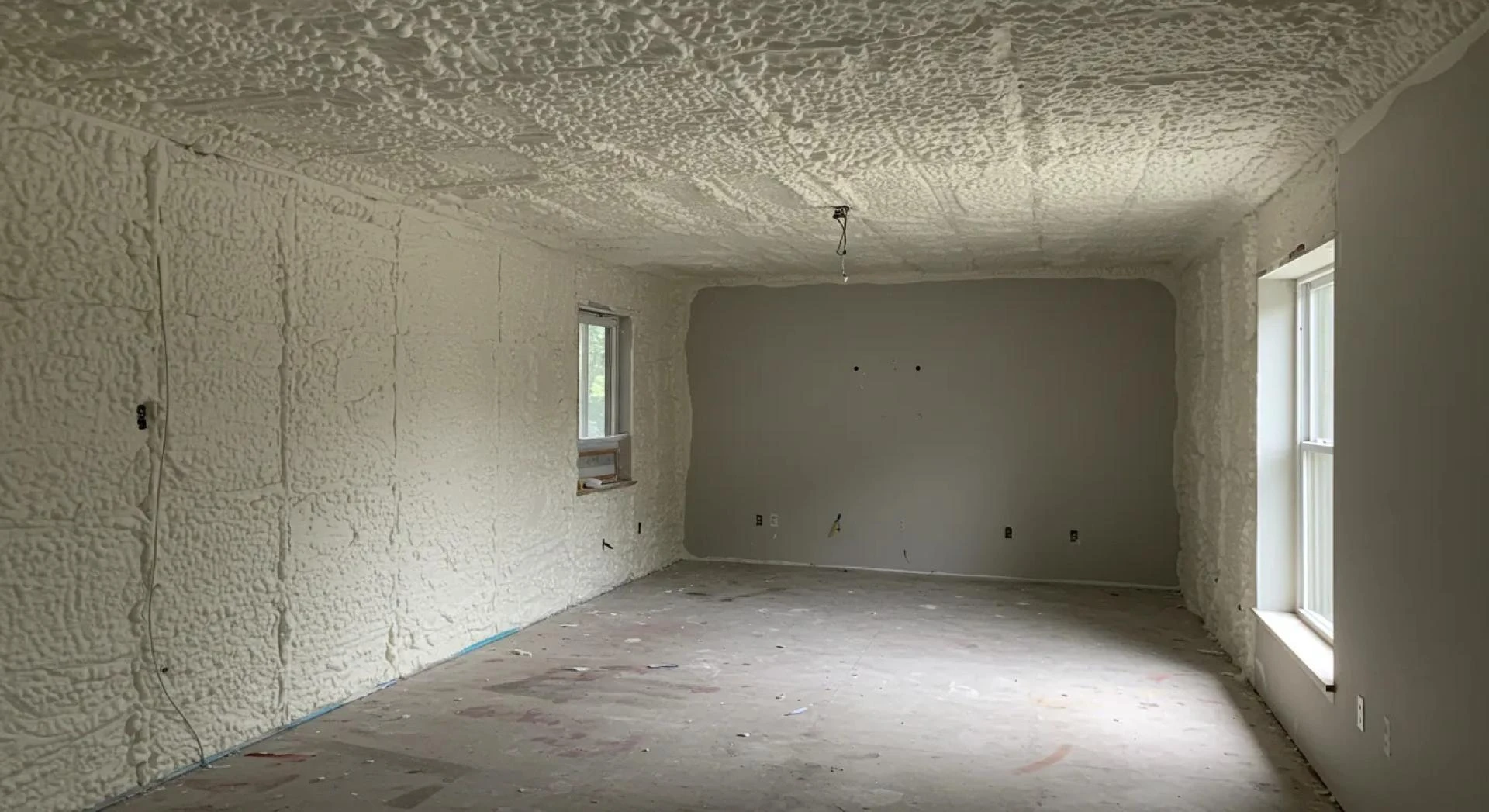
Exterior insulation lowers energy bills by stopping heat loss before it enters or escapes the building. In 2026, rising energy costs and tougher weather make this approach more valuable than ever. When insulation wraps the outside, walls work as a system, not a patchwork.
They benefit from steadier indoor temperatures and lower monthly costs.
Quick answers that matter most
- Exterior insulation reduces thermal bridging through framing
- Continuous insulation cuts heating and cooling demand year-round
- Better moisture control protects walls and energy performance
Why Exterior Insulation Cuts Energy Waste
Exterior insulation works because it addresses the root cause of energy loss. Heat does not only move through insulation. It moves through studs, plates, and gaps.
Wrapping insulation outside the structure limits those weak points. According to guidance from the U.S. Department of Energy on continuous exterior insulation, placing insulation outside wall framing can significantly reduce heat flow caused by thermal bridging.
That shift lowers energy demand before HVAC systems even turn on.

How Heat Escapes Without Exterior Insulation
Heat follows the easiest path. Wood and steel framing conduct heat faster than insulated cavities.
Common loss points include:
- Wall studs and headers
- Rim joists and floor lines
- Wall-to-roof transitions
Exterior insulation covers these areas in one layer.
Thermal Bridging = Higher Utility Bills
Thermal bridging happens when heat bypasses insulation through solid materials. Framing becomes a highway for energy loss.
This problem shows up as:
- Cold interior wall surfaces in winter
- Hot wall surfaces in summer
- Uneven room temperatures
Research summarized by Building Science Corporation’s wall performance studies explains that even well-insulated wall cavities can lose large amounts of energy through framing alone.
Exterior insulation breaks that bridge.
Why Interior-Only Insulation Falls Short
Cavity insulation treats the spaces between studs. It does not treat the studs themselves.
Exterior insulation treats the whole wall. That difference shows up on energy bills.
Moisture Control Improves Energy Performance
Moisture and energy loss are connected. Wet materials conduct heat faster than dry ones.
Exterior insulation helps walls dry correctly by:
- Keeping sheathing warmer
- Reducing condensation risk
- Limiting moisture-driven damage
According to building durability data from the National Renewable Energy Laboratory’s building enclosure research, walls that stay warmer and drier maintain better thermal performance over time.
They spend less energy fighting moisture-related heat loss.
Exterior Insulation and Wall Drying
When insulation sits outside the sheathing, dew point shifts outward. That reduces hidden condensation inside walls.
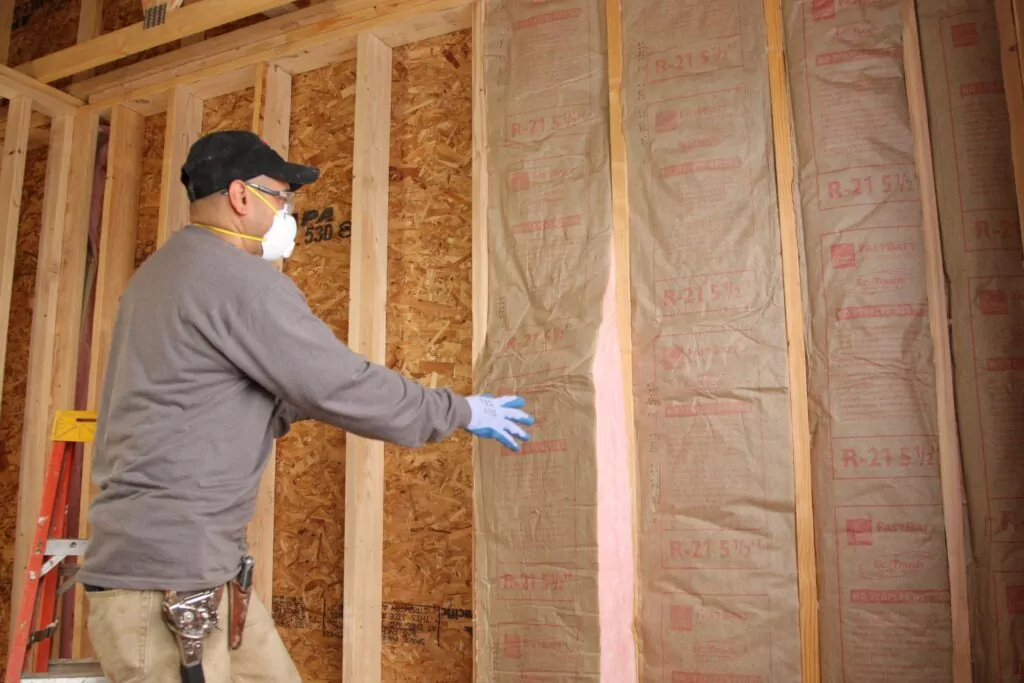
Dry walls perform better. They also last longer.
Exterior Insulation Material Options
Exterior insulation comes in different forms. Each affects energy savings differently.
Common Exterior Insulation Types
- Rigid foam boards
- Mineral wool panels
- Spray foam applied to exterior assemblies
Each option varies in air control, moisture resistance, and durability.
Exterior Insulation Performance Comparison
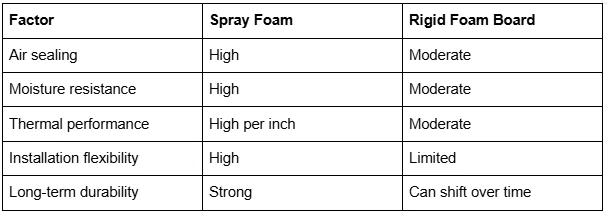
This comparison shows why airtight exterior systems reduce energy bills more reliably.
Cost vs Long-Term Energy Savings
Exterior insulation costs more upfront than cavity-only systems. The payoff comes over time.
Energy savings stack up through:
- Lower heating demand in winter
- Reduced cooling load in summer
- Smaller HVAC runtime
They often see fewer comfort complaints and steadier bills.
When Exterior Insulation Makes the Most Sense
- Older homes with poor wall performance
- Buildings in mixed or cold climates
- Projects planning long-term ownership
Short-term budgets matter. Long-term losses matter more.
Bonus Tips- Pair exterior insulation with proper flashing
- Seal wall penetrations before insulation install
- Plan window detailing early to avoid gaps
- Inspect continuity at corners and roof lines
Small misses reduce big gains.
Case StudiesEnergy retrofit projects across the Pacific Northwest report measurable drops in heating demand after adding exterior insulation during re-siding work. These projects also report fewer cold-wall complaints and more stable indoor temperatures during winter storms.
Conclusion
Exterior insulation helps reduce energy bills by controlling heat flow, moisture, and air movement together. It solves problems cavity insulation cannot reach.
They benefit from lower energy use, better comfort, and longer wall life. Informed insulation choices protect both budgets and buildings.
Cascadia Spray Foam Insulation of Seattle supports energy-efficient projects by applying exterior insulation strategies that match real building conditions and climate demands.
Talk With a Local Exterior Insulation Expert
Exterior insulation performs best when planned and installed correctly. Cascadia Spray Foam Insulation of Seattle helps property owners reduce energy waste through durable, performance-driven insulation systems.
They focus on real savings, not shortcuts.
Phone: (425) 386-3500 Email: [email protected]
FAQs About Exterior Insulation and Energy Bills
Does exterior insulation really lower heating costs?
Yes. It reduces heat loss through framing and air leakage, which lowers heating demand.
Is exterior insulation only for cold climates?
No. It also reduces heat gain in warm seasons, cutting cooling costs.
Can exterior insulation be added to existing homes?
Yes. It is often added during siding replacement or major renovations.
Does exterior insulation replace interior insulation?
Not always. Many systems combine both for better performance.
Is spray foam better than rigid board outside?
Spray foam seals air more completely. Boards rely more on detailing.
Does exterior insulation help with comfort?
Yes. It reduces drafts and cold wall surfaces.
Reviewer: Olivia Thompson has spent 10 years working in spray foam insulation, helping companies grow their visibility. She reviewed this article and provided valuable suggestions on how to better align the content with the needs and expectations of customers, ensuring it resonates with the target audience.