
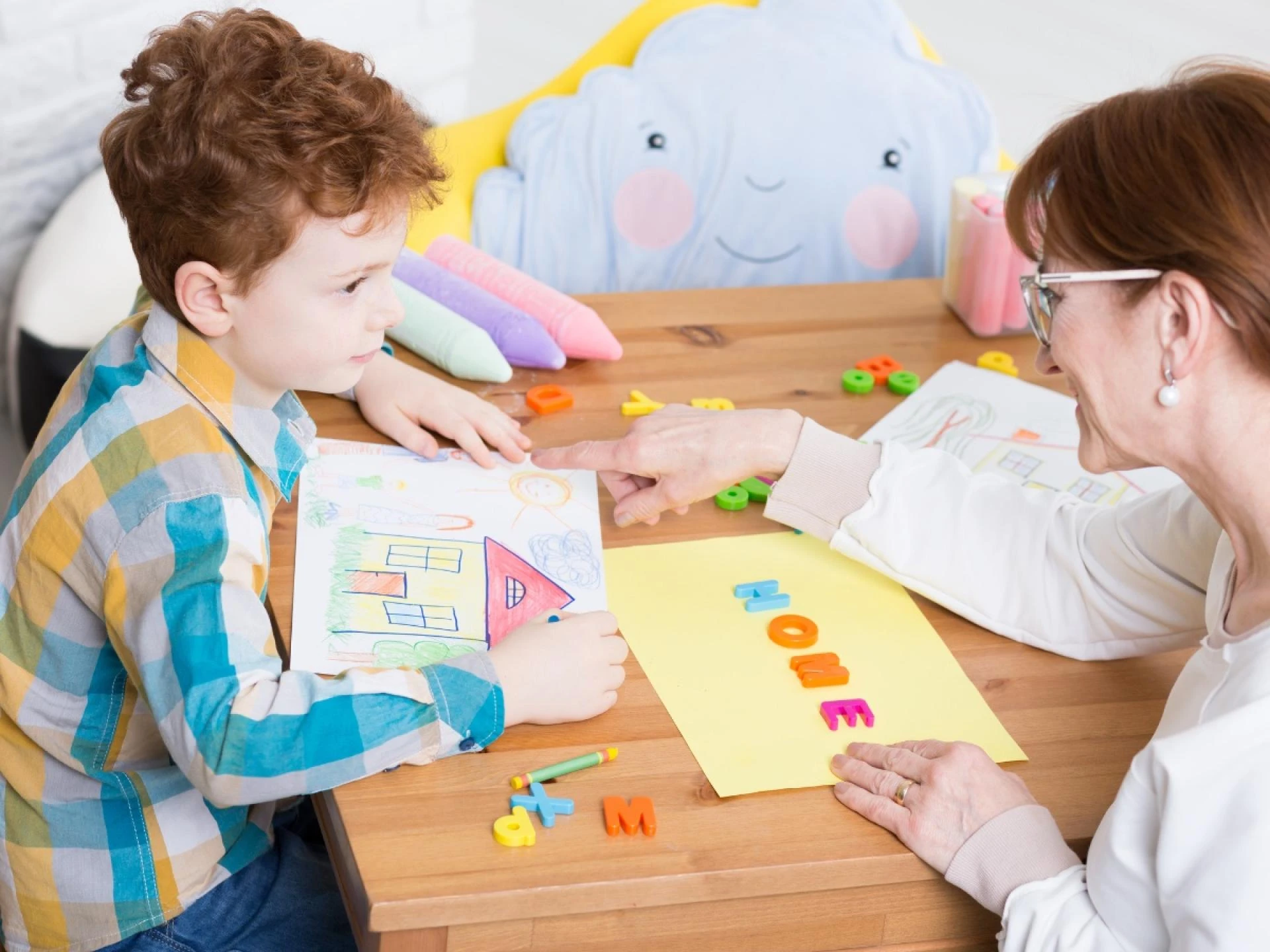
In a world where children and adolescents often face complex emotional landscapes—from anxiety and trauma to the pressures of identity development—traditional talk therapy can sometimes fall short. For many young people, finding the right words to describe overwhelming feelings is simply impossible. This is where Expressive Arts Therapy (EAT) steps in, offering a profound and powerful alternative.
EAT is a holistic approach that uses the innate healing power of creative disciplines—including visual arts, music, movement, drama, and creative writing—to facilitate emotional expression and personal growth. For children and teens, the art is not the goal; it is the bridge to the inner world.
Bypassing the Barrier of Words
The core power of EAT for young people lies in its ability to circumvent the need for verbal articulation.
When a child is experiencing trauma, intense fear, or deep grief, the language-processing part of the brain can become inhibited. EAT works by engaging the senses and the body, providing a non-verbal vocabulary for unspeakable feelings.
- Safety and Distance: Instead of being asked, "How do you feel about your parents' divorce?" a teen might be asked to draw a picture representing the feeling. The emotion is externalized onto the canvas, making it an object they can safely examine and gain distance from, rather than an internal chaos they must confront directly.
- Neurobiological Healing: EAT promotes a "bottom-up" healing approach. It helps regulate the nervous system and process emotions on a sensory and physical level before engaging the cognitive, verbal part of the brain. This is crucial for children dealing with trauma, helping them release tension stored in the body constructively.
The Transformative Benefits of Creation
The creative process in EAT is a dynamic tool that supports developmental milestones and emotional resilience:
- Emotional Regulation: Engaging in expressive activities—such as vigorous, abstract painting to release anger or slow, focused sculpting for grounding—provides a safe and contained outlet for intense emotions, helping children learn to manage their feelings constructively.
- Enhanced Self-Awareness: By creating masks, drawings of "the monster inside," or characters in a play, children gain a clearer view of their own internal struggles. This process allows them to label, understand, and ultimately gain control over their emotional states.
- Identity and Competence: Successfully initiating and completing an art-based project, regardless of its artistic merit, builds a strong sense of self-worth and competence. For adolescents grappling with identity, EAT offers a unique, personal space to experiment with and define their sense of self.
Modalities in Action: EAT Techniques
An expressive arts therapist integrates various techniques, always focusing on the client's individual needs and natural inclinations.
Visual Arts - Creating a visual anchor for peace, security, and containment. Example- Safe Place Drawing or Mandala Creation
Movement & Drama - Working through challenging relationship dynamics, building empathy, and releasing physical tension. Example- Role-Playing or Improvisation
Creative Writing - Developing a narrative to process and reframe a difficult or traumatic experience. Example- Poetry or Comic Strip Storytelling
Multimodal - Combining spontaneous drawing, collage, and writing to track and integrate emotions and reflections over time. Example- Visual Journaling
A Journey of Self-Discovery
For parents and caregivers, the most important takeaway is that Expressive Arts Therapy is not an art class. There is no right or wrong way to create, and the product itself is secondary to the process.
EAT provides a powerful, evidence-based pathway for children and teens to navigate their inner worlds. By embracing their innate creativity, young people can learn to trust their intuition, regulate their emotions, and step into their full potential, one masterpiece of self-expression at a time.